 0
0
 0
0
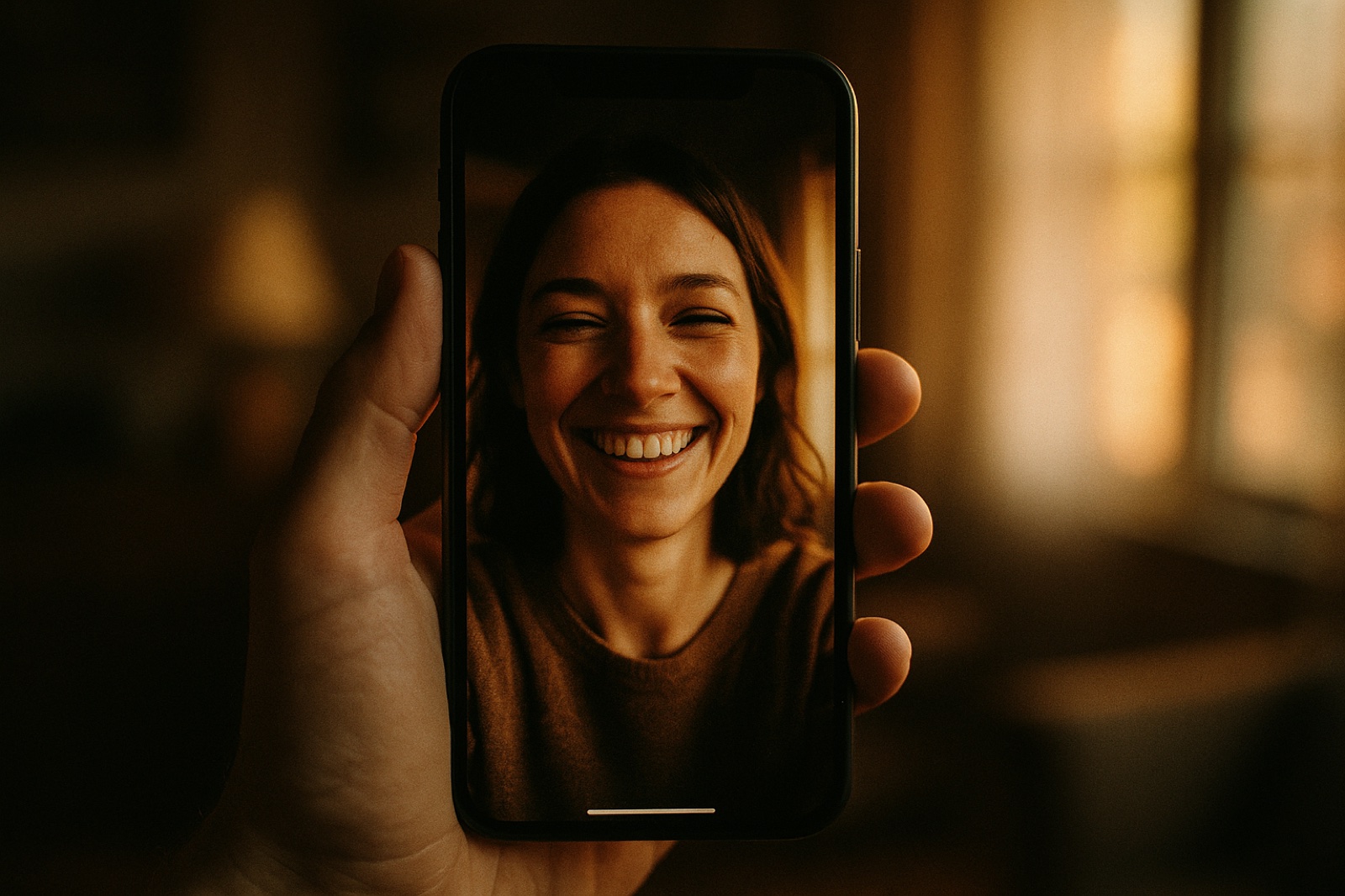
Scroll through Instagram or TikTok right now and you’ll notice something strange: everyone looks a little worse. On purpose.
The polished, ring-lit, color-graded selfie that ruled the last decade is suddenly out. In its place: grainy digital-camera throwbacks, disposable-camera app filters, “photo dumps” with zero touch-ups, and captions that basically say “no edits, deal with it.” People are hunting down apps that make their phone photos look worse — lower resolution, weird flash, slightly blurry — because that’s what reads as real now. The unfiltered selfie is having a moment, and it’s not a small one.
The Backlash Nobody Saw Coming
For years, the entire game online was curation. Better lighting. Better angles. A feed that looked like a magazine spread instead of a life. And it worked, for a while — until it didn’t. Trend-watchers have been tracking a sharp pullback from that aesthetic all through 2026, and the reasons stack up fast.
Part of it is exhaustion. Keeping up an online presence has started to feel like a second job for a lot of people — the planning, the editing, the performing, all before you’ve even lived the moment you’re posting about. Part of it is trust. As AI-generated images and video get harder to tell apart from real life, an obviously imperfect, grainy photo has become a strange kind of proof: a person was actually there, camera in hand, nothing smoothed over.
And part of it is something psychologists have been naming for a while now — the exhaustion of constantly managing how you’re perceived. It’s the same instinct behind main character syndrome, just running in reverse. Instead of starring in a perfectly framed story, people are opting out of the framing altogether. The grainy selfie isn’t really about the grain. It’s a way of saying: this is what I actually look like, take it or leave it.
Why “Bad” Photos Suddenly Feel Good
Here’s the part that’s genuinely interesting: unfiltered doesn’t mean careless. People are putting real thought into looking unbothered. There’s an art to the “just woke up” photo dump, the deliberately off-center angle, the flash going off at the wrong moment. It’s a new kind of skill — and that’s worth sitting with for a second, because it means the pressure to perform hasn’t actually gone away. It’s just changed costumes. Now the performance is performing effortlessness. Which is exactly why so many people describe the trend as a relief anyway. Even a performance of not-performing lowers the bar. Nobody’s chasing perfect skin or the ideal jawline in these photos. They’re chasing something closer to: does this look like a real moment that happened to a real person? For a generation that grew up being told to optimize everything about how they present themselves, that’s a genuinely lower-pressure place to stand.
An Old Story About Looking Past the Surface
None of this is actually new, though the phone in your hand is. Long before cameras existed at all, there’s an old story about a prophet sent to a small town to find the next king of Israel from among one family’s sons. The father lined them up, oldest to youngest, and the prophet took one look at the firstborn — tall, strong, exactly what a king was supposed to look like — and assumed that had to be the one.
He was told, in effect, to stop looking at the outside. Height, appearance, the whole impressive package — none of it was what was actually being weighed. Something else entirely was being looked at. One by one, the sons were passed over, until it turned out the one who’d actually been chosen wasn’t even in the room. He was outside tending sheep, with no time and no reason to have prepared for the moment — the least likely candidate on paper, picked precisely because nobody had built a version of him for the occasion.
It’s a strange kind of comfort to realize that this tension — how you look versus who you actually are — isn’t a social-media-era problem. It’s a human one, old enough that a story about it was worth telling three thousand years before anyone had a front-facing camera. Something bigger than an algorithm has always been looking past the surface. That hasn’t changed; only the surface has gotten easier to fake.
What the Grain Is Really Asking For
The unfiltered-selfie trend will fade the way every trend does. Some new aesthetic will take its place in a year or two, and the grainy disposable-camera filter will look as dated as the heavy Instagram filters of 2013 eventually did. But the thing underneath it — wanting to be seen as you actually are, without having to audition for it first — isn’t going anywhere. It’s the same thing that made people search for permission to just be who they naturally are long before this trend had a name. Maybe the real appeal of the bad photo isn’t the grain at all. It’s the quiet relief of not having to fix anything before you’re allowed to be seen. You don’t need better lighting for that kind of seeing. You need someone who was never looking at your lighting in the first place.
What Do You Think?
Is the internet actually getting more real, or is “looking unfiltered” just this year’s version of performing? Tell us where you land in the comments.
A Few Small Things to Try
- Post one totally unedited photo this week — no crop, no filter — and notice how it actually feels, not how you assume it’ll feel.
- Next time you catch yourself editing a photo for ten minutes, pause and ask what you’re actually trying to prove, and to whom.
- Leave a genuine compliment on someone’s un-curated, imperfect post. It costs nothing and lands harder than you’d think.
Share This
- apparently “looking bad on purpose” is the new online flex and honestly? kind of into it 📸
- turns out the whole “someone already sees past the filter” thing isn’t a 2026 idea. it’s like 3,000 years old. wild.
- the unfiltered selfie trend is really just everyone quietly admitting the curated version was exhausting the whole time.
Quick Questions
Why are unfiltered selfies trending in 2026?
People are pulling back from heavily edited, curated social media photos in favor of grainy, imperfect, “unfiltered” selfies. The shift is driven by exhaustion with constant self-presentation, growing distrust of AI-generated images making “real” harder to prove, and a broader cultural pushback against years of over-polished online personas.
What is “photo dump” culture?
A photo dump is a casual, unedited batch of photos posted together — everyday moments, blurry shots, candid faces — instead of a single, carefully curated post. It became popular as a lower-pressure alternative to the perfectly staged single-photo post.
Is the authenticity trend on social media genuinely more real, or just a new kind of performance?
Both, honestly. The trend does reflect real exhaustion with curation, but “looking effortless” still takes effort — people put real thought into making a photo look unposed. It’s a lower-pressure kind of performing, not the absence of performing.
Why do grainy, low-quality photos feel more trustworthy right now?
As AI-generated images become harder to distinguish from real photos, small imperfections — grain, blur, odd lighting — read as evidence that a real camera captured a real, unstaged moment. Imperfection has become a signal of authenticity.
What does an old Bible story have to do with judging people by appearance?
Long before social media, there’s a well-known story of a prophet sent to anoint Israel’s next king from among one family’s sons. He assumed the oldest, most impressive-looking son was the obvious choice — and was told to stop looking at the outside, because something else entirely was being weighed. The one eventually chosen was the least likely on paper. It’s one of the oldest stories about the gap between how someone looks and who they actually are.