 0
0
 0
0
Title: The Stratospheric Boundary: Understanding the Armstrong Limit and Its Life-Saving Implications
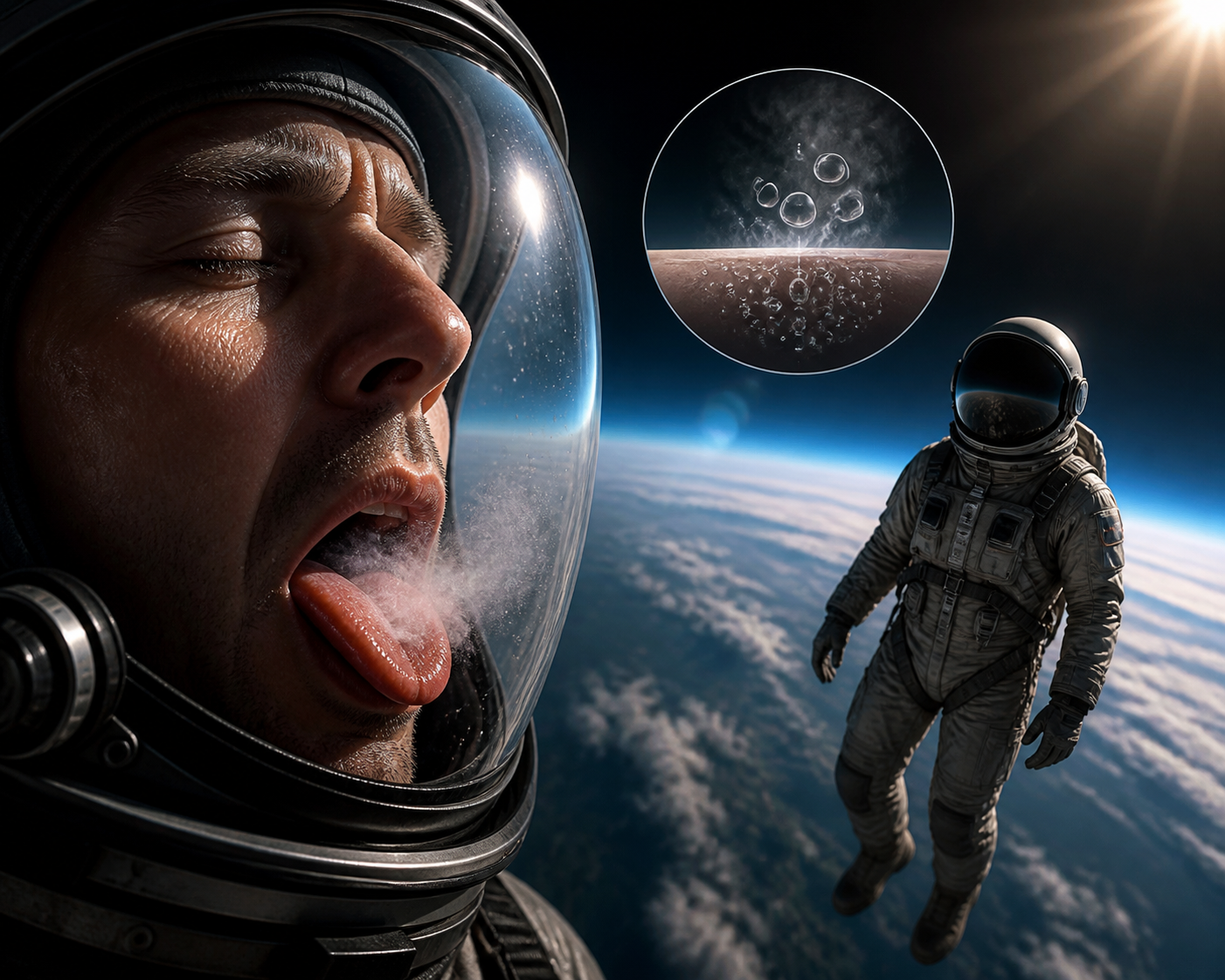
At an astonishing altitude of approximately 19 kilometers above sea level, the distinction between an oxygen mask and a pressure suit is not just academic; it could mean the difference between life and death for pilots. As the atmospheric pressure plunges to a mere 6.3 kilopascals, the very laws of physics become life-threatening as human body temperature is sufficient for exposed liquid to boil. This phenomenon, known as the Armstrong Limit, reminds us that our existence is intricately tied to the conditions around us.
The Physics of Boiling: A Closer Look
At sea level, we learn that water boils at 100 degrees Celsius. However, this temperature is subject to the surrounding atmospheric pressure. The higher you ascend, the lower the boiling point becomes. Crucially, at altitudes above the Armstrong Limit, the body’s natural defenses weaken. Saliva and other bodily fluids can vaporize, leading to a condition called ebullism, while the brain suffers from oxygen deprivation. This is not merely a matter of physics; it is a stark reminder of our human vulnerabilities amidst the majesty of creation.
As documented by NASA, the Armstrong Limit serves as a metaphorical boundary in understanding how critical environments can alter life-sustaining elements. The struggle against the scientific realities of high altitude underscores a deeper spiritual truth: we are not solely governed by our own efforts, just as pilots cannot rely solely on oxygen in the thin atmosphere.
A Harrowing Lesson from History
In a poignant recounting from 1966, NASA technician Jim LeBlanc experienced firsthand the dangers of decompression when a suit fitting malfunctioned during a test in a vacuum chamber. Within moments, pressure dropped, and he felt the water on his tongue begin to boil. Thanks to a rapid emergency response, he survived this near-fatal experience unharmed. However, his story serves as a sobering reminder of our fragility and the need for preparedness.
Like the challenges LeBlanc faced, life often presents us with unforeseen pressures. Yet, just as the suit encases the body in a protective atmosphere, so too can faith offer us a sanctuary in tumultuous times. The Bible tells us in Philippians 4:13, “I can do all things through Christ who strengthens me.” In the face of overwhelming circumstances, this assurance can be our protective force.
A Call to Reflect on Our Environments
The implications of the Armstrong Limit extend beyond aviation and into the spiritual realm. Just as high-altitude pilots require both a pressure suit and an oxygen mask to survive, we too need to cultivate a supportive environment, grounded in faith and community. Our personal pressures—as depicted in the life of Christ, who faced relentless trials yet remained resolute—remind us that we are not alone in our struggles.
In every situation, be it extreme or mundane, we are invited to reflect on our sources of strength. When encountering life’s challenges, consider the essential elements that sustain you: faith, community, and resilience.
Encouraging Takeaway: Building a Stronger Foundation
As we navigate our own “high-altitude” challenges, may we remember that while the pressures of the world can be daunting, we can find safety in faith and love. Surround yourself with a supportive community, draw strength from your beliefs, and be ready to embrace both the challenges and the triumphs.
Let us reflect on the ever-relevant wisdom from Proverbs 3:5-6: “Trust in the Lord with all your heart, and lean not on your own understanding; in all your ways acknowledge Him, and He shall direct your paths.” In doing so, we not only strengthen ourselves but also build a resilient atmosphere capable of enduring even the harshest circumstances.
If you want to want to know more about this topic, check out BGodInspired.com or check out specific products/content we’ve created to answer the question at BGodInspired Solutions
If positive Biblical wisdom matters to you, I’d love your support of the mission
Q&A about
Why do pilots need to wear pressure suits above 19 kilometers instead of just using oxygen masks?
Pressure suits protect pilots from the extreme conditions at high altitudes, where air pressure is so low that water boils at body temperature. Just as God provided a way for the Israelites to survive in the wilderness with manna, He has equipped us with technology to ensure the safety of those who serve in high-stakes environments.
Isn’t it enough to just have enough oxygen at high altitudes?
While oxygen is crucial for survival, the lack of atmospheric pressure can lead to more severe issues than oxygen deprivation. This reflects the biblical principle that we need both physical and spiritual nourishment, as Jesus taught that "Man shall not live by bread alone" but by every word that proceeds from the mouth of God, reminding us of the need for comprehensive care.
How can we apply the idea of pressure suits to our spiritual lives?
Just as pressure suits protect pilots from the dangers of altitude, we need spiritual armor to safeguard our hearts and minds against life’s challenges. Paul reminds us to “put on the full armor of God,” emphasizing the importance of being prepared and protected in our faith journey, especially when facing trials.
What lessons can we learn from the physical realities of high altitudes regarding reliance on God?
The extreme conditions at high altitudes illustrate our human limitations and the importance of relying on God. Just as pilots require special equipment to function in such environments, we must lean on the strength and guidance of Christ in our lives, as He says, "Without Me you can do nothing," reminding us to stay connected to Him for support and sustenance.