 0
0
 0
0
Succession Plans in North Korea: A Family’s Struggle for Power
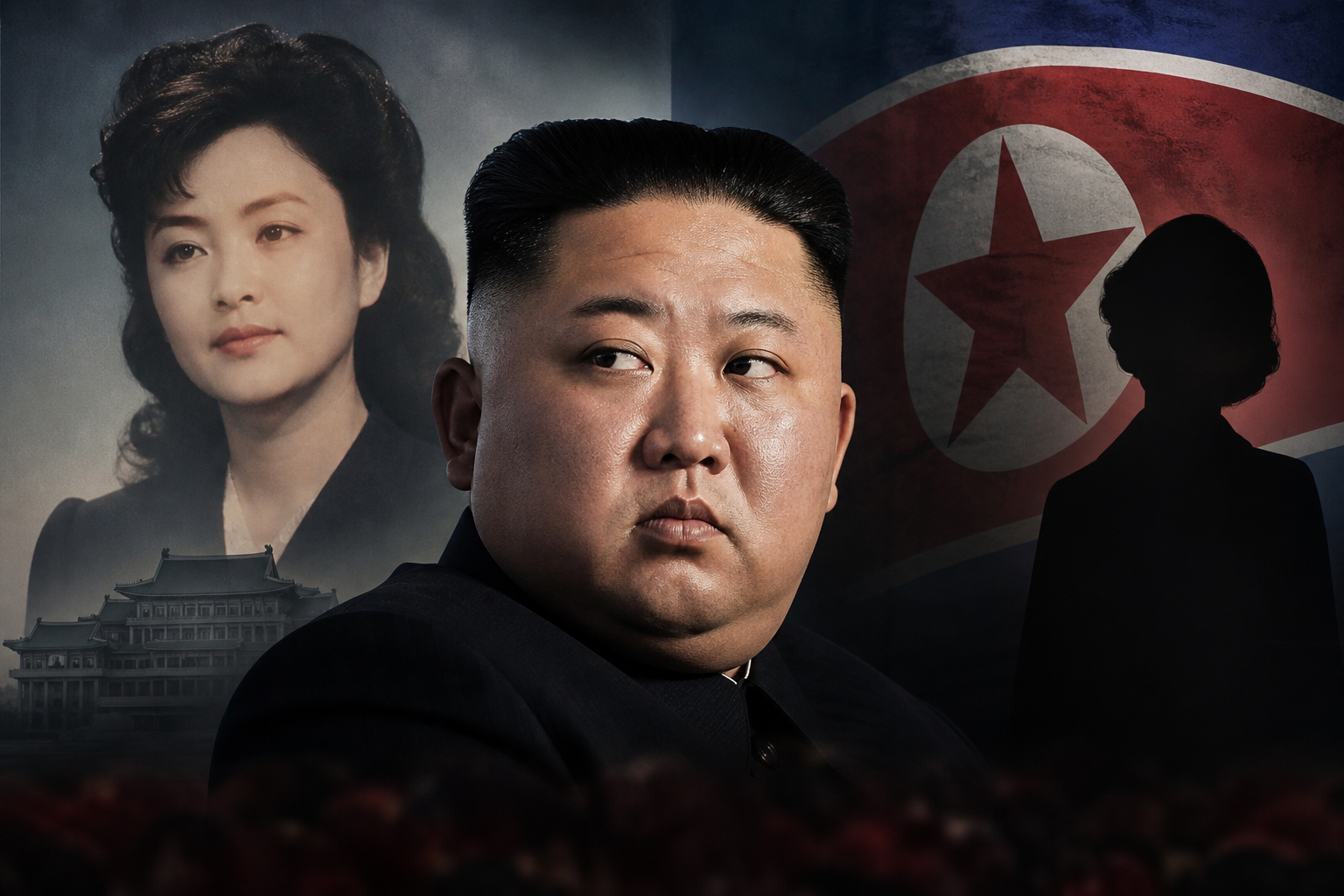
In a revealing account, journalist Anna Fifield has shed light on the strategic maneuvers surrounding Kim Jong Un’s rise to power, implicating values of familial loyalty and the weight of legacy in North Korean politics. According to her book, The Great Successor: The Secret Rise and Rule of Kim Jong Un, Ko Yong-hui, Kim Jong Un’s mother, was believed to have actively prepared her son for leadership, driven by concerns for the family’s safety.
Fifield notes that Ko’s decision to position Kim as the potential successor was heavily influenced by her sister’s counsel. This advice came with a stark warning: for their family’s safety, Kim needed to become the next leader, emphasizing the intense pressures and risks that define the world of North Korean leadership.
This intricate family dynamic echoes the biblical narrative of prioritizing kinship, where the protection and well-being of family often take precedence. For example, Proverbs 22:6 emphasizes the importance of training children in the right path—“Train up a child in the way he should go; even when he is old he will not depart from it.”
As we consider this urgent familial strategy, it evokes thoughts about our own commitments to guiding the next generation. In biblical teachings, we find an encouragement to forge resilience, compassion, and purpose in our children. The lessons derived from leadership transitions, albeit in starkly different contexts, serve as a reminder that each generation carries the potential to chart new paths, guided by values that reflect integrity and love.
Reflecting on the principle that family comes first, readers might ponder: How can we, in our own circles, nurture the values of loyalty and guidance in a world that often prioritizes power over compassion? As we navigate our pathways, let this situation remind us of the importance of mentorship and moral responsibility in both family and community.
In contemplating the legacy we build and the values we instill, it becomes clear that love, understanding, and purpose are the true legacies worth pursuing. As we reflect on our roles, let’s seek to inspire resilience and nurture the kindness that transforms lives.
If you want to want to know more about this topic, check out BGodInspired.com or check out specific products/content we’ve created to answer the question at BGodInspired Solutions
If positive Biblical wisdom matters to you, I’d love your support of the mission
Q&A about
Why doesn’t Kim Jong Un ever mention his mother, Ko Yong Hui?
His silence about his mother may stem from cultural or political pressures, reflecting a desire to keep personal matters private in a highly controlled regime. From a biblical perspective, Jesus teaches the importance of honoring one’s parents, as seen in Ephesians 6:2. This perspective suggests that our relationships should be valued, even if circumstances make them difficult to discuss.
Could Kim Jong Un’s lack of mention of his mother indicate unresolved issues or trauma?
It’s possible that unresolved issues from his past affect his public persona, similar to how many stories in Scripture highlight the need for healing. In Matthew 11:28-30, Jesus invites those who are burdened to come to Him for rest. This illustrates that bringing hidden wounds to God can lead to healing and freedom, a lesson relevant for anyone grappling with familial complexities.
How does Kim’s silence impact the perception of leadership in North Korea?
In a context where personal stories are often used to bolster authority, Kim’s silence might suggest a need to project strength and control. However, Jesus emphasized the value of humility and service in leadership, as seen in Matthew 20:26-28. Leaders are called to serve rather than to dominate, which could resonate even in the context of North Korean governance.
Is there a spiritual lesson in Kim Jong Un’s relationship with his mother for Christians?
Yes, it highlights the complexities of family dynamics and the challenges of expressing love in difficult circumstances. The Bible encourages reconciliation and love, as demonstrated in Romans 12:18, which advises believers to live at peace with everyone if it is possible. This teaches Christians to reflect on their own family relationships and seek healing where needed.