 0
0
 0
0
Defiant Flags Fly at Iran’s World Cup Opener in SoFi Stadium
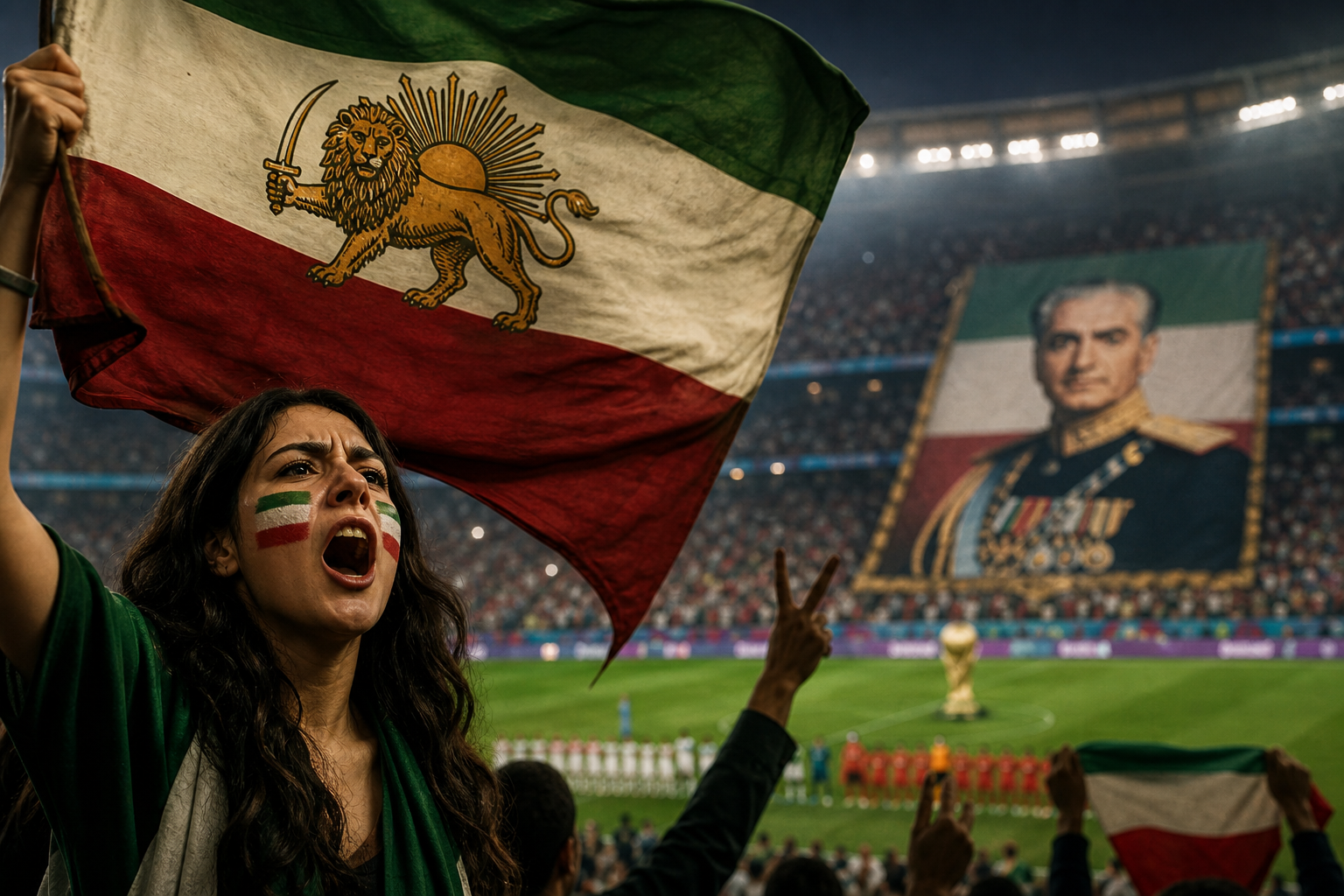
INGLEWOOD, Calif. — In a powerful display of resistance, dozens of fans brought pre-revolutionary flags into SoFi Stadium during Iran’s World Cup opening match against New Zealand, directly challenging FIFA’s ban on such symbols. This act of defiance unfolded as fans sought to express a complex mix of patriotism and a yearning for freedom amidst ongoing political turmoil in their homeland.
As the match commenced, a striking moment occurred when a large flag representing the current Iranian regime was unfurled on the pitch. In response, a group of supporters on the opposite side of the stadium waved their pre-revolutionary flags—symbols of a historical era and a different narrative of national pride. Despite FIFA’s legal victory aimed at prohibiting these flags, security personnel permitted the display, highlighting a divide between institutional mandates and personal expressions of identity.
Before entering the stadium, security officials had been instructed to confiscate any flags or attire featuring pre-revolution imagery. Yet, several fans found clever ways to navigate these restrictions. One group, wearing white shirts emblazoned with the pre-revolution flag, was asked to hide their shirts under jackets before they were allowed entry. “This is the true flag of my country,” one fan, Mehdi, said, while a younger companion added, “It means freedom.”
Another fan named Aiden emphasized, “The flag that FIFA puts is not the flag that really represents the people.” A sentiment echoed by many, their displays of solidarity with suppressed voices drew attention amid a stadium filled with conflicting loyalties. While some supporters cheered for the Iranian team, others expressed dissent by booing the national anthem and erupting in celebration when New Zealand scored.
Throughout the first half, banners like “MINAB168” paid homage to victims of violence in Iran, including the tragic loss of 168 children. Fans shared their concerns passionately, with one fan named Mohsen insisting that their message was purely in support of the victims and not politically motivated. “We’re just cheering for the people of Iran, and for those kids who got killed — innocent! That’s it!” he asserted.
This complex dynamic within SoFi Stadium mirrors the biblical story of the Israelites, who often found themselves torn between their faith and the demands of their times. Just as they were called to stand firm in their identity and belief, these fans confronted their own national struggles with courage and conviction. In Galatians 5:1, we read, “It is for freedom that Christ has set us free. Stand firm, then, and do not let yourselves be burdened again by a yoke of slavery.”
As these fans waved their flags, they invited those around them to remember the values of freedom, justice, and love—principles that resonate deeply within the Christian faith. This moment from the World Cup transcends sport; it is a reminder of the universal longing for liberation and the courage to express it, even under scrutiny.
In navigating the tensions between expression and repression, we are reminded of the importance of standing firm in our convictions while embracing the freedom that comes from unity and love. May we reflect on this situation as a call to advocate for those who seek to express their identity and values, recognizing that each act of courage adds to the broader narrative of hope and change.
If you want to want to know more about this topic, check out BGodInspired.com or check out specific products/content we’ve created to answer the question at BGodInspired Solutions
If positive Biblical wisdom matters to you, I’d love your support of the mission
Q&A about
Why were pre-revolutionary flags seen at Iran’s World Cup opener?
The display of pre-revolutionary flags can be seen as a symbol of longing for freedom and hope for change. This reflects the biblical theme of yearning for justice and liberation, as echoed in the Beatitudes where Jesus blesses those who hunger and thirst for righteousness. It’s a reminder that faith often calls us to seek out and advocate for truth and justice in our world.
Why was the anthem booed during the match?
Booing the anthem may symbolize dissent and a desire for change within a repressive regime. In the New Testament, Jesus reminds us in Matthew 5:9 that peacemakers are blessed, suggesting that sometimes, peacemakers must be vocal against injustice. This act could represent a collective cry for the hope that God promises to those who seek His will.
How does this event reflect the struggles for freedom in the context of faith?
The event showcases a struggle for freedom much like the Apostle Paul faced when preaching the Gospel under oppression. In Philippians 1:27, Paul urges believers to stand firm in one spirit, striving together for the faith of the gospel. This encourages us to support those who strive for liberty and justice, as their fight resonates with the call for faith and perseverance.
What can we learn about unity and division from this situation?
The booing of the anthem and the display of flags highlight the division experienced within Iran. In Romans 12:18, believers are encouraged to live at peace with everyone as much as possible. This situation can serve as a reminder that while we may be divided in our views, God’s desire is for us to seek understanding and promote peace in our relationships with others.