 0
0
 0
0
Tourist’s Alleged Attack on Endangered Monk Seal Sparks Outrage and Reflection
HONOLULU (AP) — A recent incident involving a tourist from Washington state accused of hurling a coconut-sized rock at an endangered Hawaiian monk seal has ignited considerable backlash and raised critical questions about the protection of wildlife. Igor Lytvynchuk, 38, is set to appear in U.S. District Court in Honolulu on charges of harassing a protected animal.
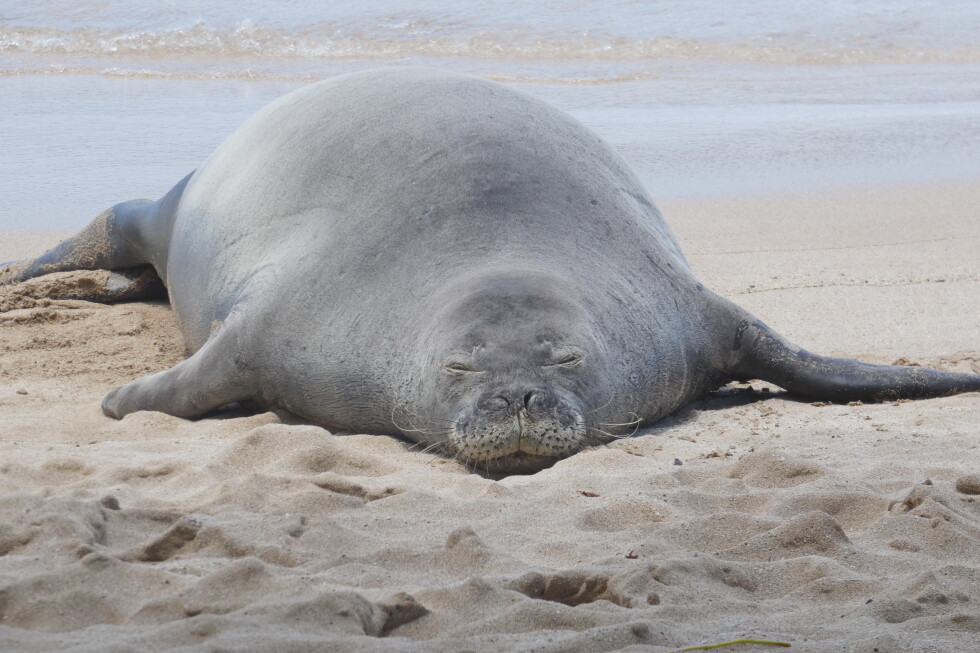
This tumultuous event unfolded on a Maui beach, where a witness captured video footage of Lytvynchuk allegedly throwing the rock at the seal, narrowly missing the animal’s head. The video quickly drew widespread condemnation, even prompting Maui’s mayor to call for prosecution. The National Oceanic and Atmospheric Administration (NOAA) identified the seal as an adult male known as “R404,” a member of a critically endangered species, with only about 1,600 individuals remaining in the wild.
Seeking Protection, Not Harm
Lytvynchuk’s defense attorney, Myles Breiner, claims that his client believed he was acting to protect sea turtles, mistaking the monk seal for an aggressive sea lion. Breiner stated, “His response was not to hurt this monk seal, but to get it away from the turtles.” This raises an important point of reflection—sometimes what we believe is protective action can lead to unintended harm.
In light of this incident, it’s worth considering the biblical principle encapsulated in Matthew 7:12, often referred to as the Golden Rule: “So whatever you wish that others would do to you, do also to them.” It reminds us that our actions—or reactions—toward others, including nature, should be rooted in care and respect.
Consequences and Community Response
Following the public outcry, Lytvynchuk has faced extreme hostility, including threats and doxing, leading to an environment that seems all too violent for a situation that began in misunderstanding. Breiner mentioned that his client has received packages containing what appeared to be feces, highlighting the severity of public backlash.
This reaction underscores a broader question about the balance of justice and mercy. In situations where tensions rise, it is vital to approach conflicts—whether among individuals or in our treatment of the environment—with grace and understanding.
The Call for Education and Awareness
Senator Brian Schatz emphasized the need for greater public education about the protection of Hawaii’s unique wildlife, asserting that better understanding can prevent such incidents in the future. The call for awareness aligns with the idea that as a community, we have a collective duty to care for creation: “The earth is the Lord’s, and everything in it” (Psalm 24:1). Such stewardship reflects a vital aspect of our responsibility as inhabitants of this world.
Reflecting on the Broader Lesson
As the case unfolds, it serves as a reminder of the interconnectedness of our actions, whether directed at fellow humans or the creatures with whom we share the planet. While Lytvynchuk faces serious legal consequences, the public response offers an opportunity for reflection on how we engage with each other, with nature, and with our surroundings.
In light of this situation, perhaps we can all consider how to embody the principles of care, mercy, and education in our actions. As we move forward, let us strive to approach the complexities of life with the compassion that Jesus taught, examining not just the legality of actions, but their impact on our world and community.
Through this lens, we can find an encouraging takeaway: every interaction is an opportunity to express the love and respect we owe to one another and the creation that surrounds us. Let this incident prompt us to engage in conversations about respect, protection, and the shared responsibility we hold toward our environment.
If you want to want to know more about this topic, check out BGodInspired.com or check out specific products/content we’ve created to answer the question at BGodInspired Solutions
If positive Biblical wisdom matters to you, I’d love your support of the mission
Q&A about
Is it wrong for a tourist to throw rocks at seals to protect turtles?
It’s important to consider the value of all creation, as Jesus taught us in Matthew 10:29 when He emphasized that not even a sparrow falls to the ground without God’s knowledge. Attacking one creature in an attempt to protect another can reflect a misunderstanding of how to care for God’s creations. Instead of resorting to harmful actions, we should seek peaceful and constructive ways to protect the wildlife around us.
How should Christians approach wildlife conservation, especially in delicate ecosystems?
Christians are called to be stewards of the Earth, as mentioned in Genesis 2:15, where God placed Adam in the Garden to tend and keep it. This stewardship requires us to act thoughtfully and with love towards all creatures, leading us to advocate for their protection through non-violent means and education rather than harmful actions.
What can I learn from this incident about handling conflict in nature?
In Matthew 5:9, Jesus blesses the peacemakers, which applies not just to human relationships but also to our interactions with nature. Instead of reacting in frustration or aggression, we can seek peaceful resolutions that respect and protect the balance of ecosystems, reflecting Christ’s love in our actions.
How should we respond when we see animals in danger?
Instead of taking drastic measures, Christians are encouraged to be wise and compassionate, as seen in Proverbs 12:10 which teaches that a righteous person cares for the needs of their animals. This can mean reporting the situation to appropriate wildlife authorities or getting involved in local conservation efforts, embodying God’s care for creation by actively seeking solutions that align with His will.