 0
0
 0
0
US Pressures Palestinian Leadership to Withdraw UN Bid Amid Concerns of Middle East Debates
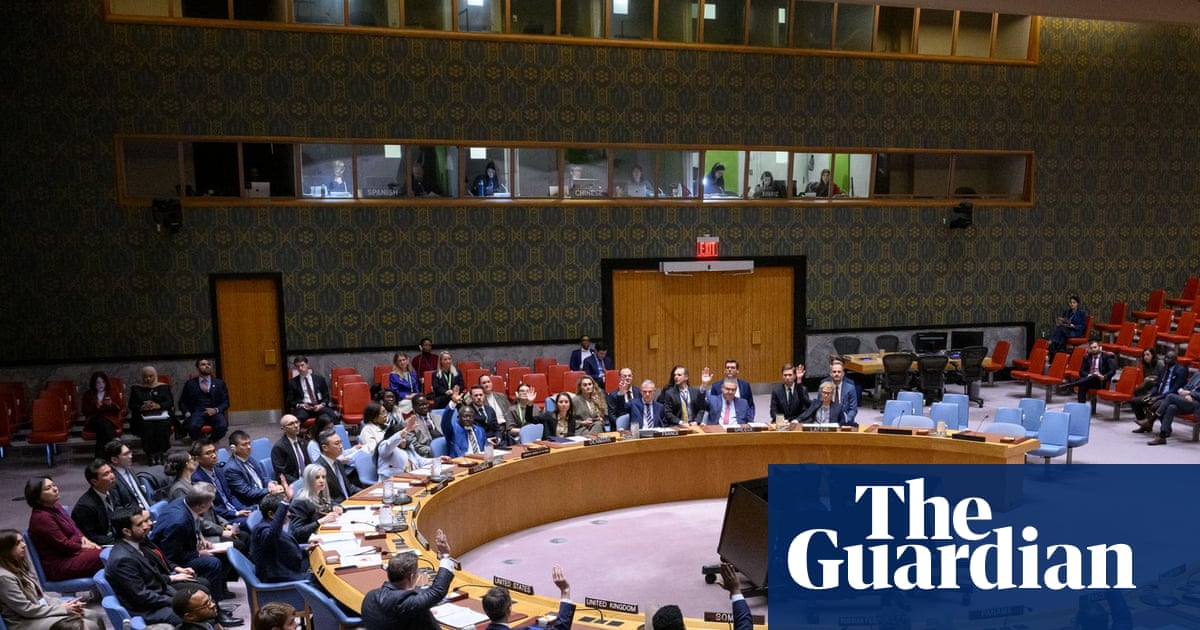
In a decisive move reflecting its keen interest in Middle Eastern politics, the US has directed its Jerusalem embassy to urge the Palestinian Authority to abandon its bid for a senior role at the United Nations General Assembly. The US fears that the position, which could include chairing debates on vital regional issues, could empower the Palestinian agenda on international platforms.
A cable dated May 19, obtained by the Guardian, showcases the tense diplomatic negotiations at play. The communication instructed US diplomats to formally protest the Palestinian quest for a vice-presidential position within the General Assembly, insisting that the bid be withdrawn by May 22, warning of unspecified “consequences” if compliance was not achieved.
The Trump administration has consistently opposed advancements toward Palestinian autonomy, focusing on curbing what it perceives as symbolic gestures rather than tangible progress. The Palestinian delegation, which is vying for one of the 16 vice-presidential roles slated for election on June 2, finds itself at a crossroads—caught between aspirations for representation and the looming threat of US reprisals.
Reflecting on the broader implications, the US cable articulates a concern: “In a worst-case scenario, the next president of the General Assembly might assist the Palestinians in presiding over high-profile sessions related to the Middle East.” This potential scenario highlights the intricate web of diplomacy, where the stakes involve not only political representation but also the shaping of narratives surrounding the Israeli-Palestinian conflict.
The urgency of the US’s position seems to be further bolstered by past incidents. In February, Palestinian diplomat Riyad Mansour withdrew his candidacy for the presidency of the General Assembly amid American lobbying, demonstrating the reality of external pressures influencing internal decision-making processes. The current bid, however, has raised questions about the Palestinian Authority’s commitment to substantive engagement in peacebuilding efforts.
In the context of this complex geopolitical landscape, it’s worth reflecting on core biblical principles that call for justice, peace, and understanding. The Bible teaches us that “Blessed are the peacemakers, for they shall be called sons of God” (Matthew 5:9, ESV). Recognizing the value of dialogue and cooperation, rather than confrontation and division, aligns with a higher calling to pursue peace in times of conflict.
The US has hinted at consequences for lack of cooperation, including the possible revocation of Palestinian diplomats’ visas. Such actions could further entrench divisions and hinder pathways toward reconciliation. As tensions continue, it may be more pressing than ever to seek paths that uplift rather than isolate, echoing the biblical call to love our neighbors—even those we might find challenging to embrace.
As you ponder the unfolding events, consider the possibility of reconciliation and understanding. The journey toward peace often requires humility, patience, and a willingness to engage openly with differing perspectives. Reflecting on the words of Jesus, we are reminded that the pursuit of peace is not merely a political endeavor; it roots deeply in our spiritual commitment to love and empathy, urging us to be instruments of healing in a fragmented world.
If you want to want to know more about this topic, check out BGodInspired.com or check out specific products/content we’ve created to answer the question at BGodInspired Solutions
If positive Biblical wisdom matters to you, I’d love your support of the mission
Q&A about
Why is the US pressuring Palestinian leaders about their UN vice-presidency bid?
The US may be concerned that the bid for UN leadership could hinder peace efforts in the region. As Christians, we are reminded in Matthew 5:9 that "Blessed are the peacemakers, for they shall be called children of God." Encouraging peace is critical, and this situation highlights the need for diplomacy and understanding.
How should Christians respond to the conflict between the US and Palestinian leaders?
Christians are called to pray for all leaders and nations, seeking God’s wisdom in complex conflicts. In Philippians 4:6-7, we are reminded to present our requests to God and that His peace will guard our hearts. This can guide us in fostering an attitude of reconciliation rather than division.
What does the Bible say about international relations and negotiations?
The Bible emphasizes the importance of seeking justice and mercy, as seen in Micah 6:8. Jesus taught us to act justly, love mercy, and walk humbly with God, which should inspire us to support diplomatic efforts that seek equitable solutions and respect for all parties.
How can we pray about the situation involving Palestinian leaders and the UN?
We can pray for wisdom and understanding for all involved, that leaders may be guided toward paths of peace. James 1:5 encourages us to ask God for wisdom, which is crucial in navigating such a fraught international landscape as we seek His heart in our prayers.