 0
0
 0
0
The Essential Role of Carbohydrates: Nourishing Body and Spirit
As many individuals embark on health journeys, the debate surrounding carbohydrates often raises eyebrows. While popular diets like paleo and keto emphasize lower carb intake, it’s vital to recognize that carbohydrates are not the enemy; they are a necessary macronutrient essential for energy. The real question is not whether to eliminate carbs, but how to choose the right types for your needs—for both physical well-being and spiritual health.
According to nutrition experts, the truth is simple: cutting back on carbs too drastically can lead to fatigue, dizziness, and other negative side effects. As Christians believe that our bodies are temples, we must treat them with care and mindfulness, recognizing the importance of balanced nutrition in maintaining our health.
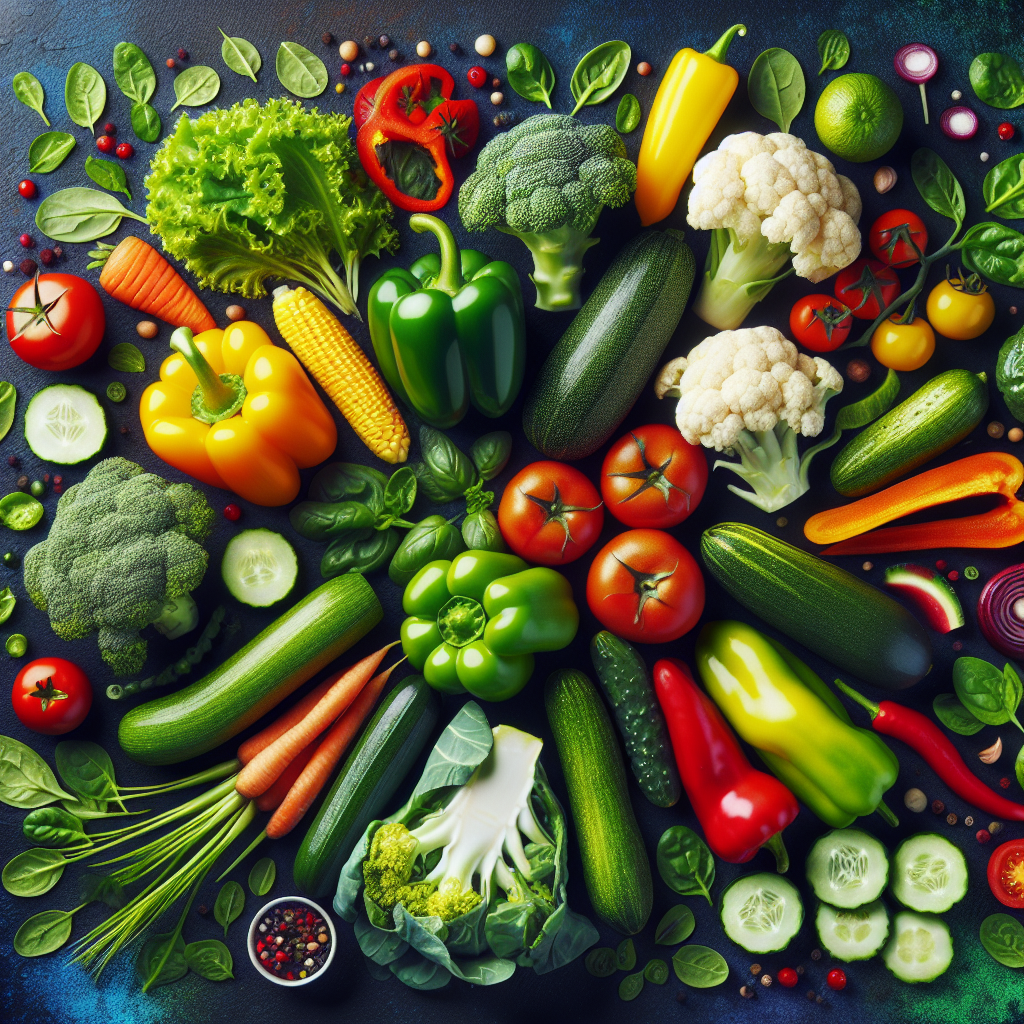
Certainly, specific health conditions such as diabetes require individuals to be judicious about carb intake. However, rather than completely shunning carbohydrates, focusing on the quality and source can help maintain stable energy levels without compromising health. Key low-carb vegetables, such as kale, broccoli, spinach, cauliflower, zucchini, and Brussels sprouts, not only offer negligible amounts of carbohydrates but are also packed with nutrients that nourish our bodies.
Consider spinach, for example, which boasts just 1 gram of carbohydrates per cup. Rich in vitamins and minerals, spinach is also known for its antioxidants that can combat oxidative stress. Dietitian Crystal Scott suggests using spinach in a variety of ways, reinforcing the notion that simple choices can lead to healthier physical bodies, which in turn strengthens our ability to serve others—a principle strongly echoed in biblical teachings.
In the Gospel of Matthew, it is said, "Do you not know that your bodies are temples of the Holy Spirit?" (1 Corinthians 6:19). This passage serves as a reminder that caring for our bodies goes beyond aesthetics; it aligns with honoring the divine within us. Choosing low-carb vegetables may enhance our overall well-being, allowing us to engage more fully in our communities and spiritual practices.
Vegetables such as kale, cauliflower, and zucchini are not just filling our plates; they fill our lives with purpose and vitality. For instance, cauliflower—a versatile vegetable known for its culinary adaptability—can easily replace higher-carb staples without sacrificing texture or satisfaction.
As we prepare meals, let us remember that cooking can be a spiritually enriching practice. It can be a time for gratitude, reflection, and the sheer joy of creating for ourselves and others. With recipes like roasted Brussels sprouts with goat cheese or zucchini noodles with shrimp scampi, we can delight in the flavors of God’s creation while nurturing our bodies.
The lesson extends beyond the kitchen. Choosing whole, nutrient-dense foods can translate into a more sustained source of energy, allowing us to engage joyfully in life’s abundant opportunities, share our blessings, and serve one another.
So, as you reflect on your diet and lifestyle choices, remember the broader implications of caring for your body. Strive to see that your food choices mirror the abundance and love embodied in your faith. Choose nourishing foods not just for personal gain but as an act of gratitude and stewardship.
In this journey of health and spirituality, may we find balance in our choices, as stated in Proverbs 3:5-6: “Trust in the Lord with all your heart and lean not on your own understanding; in all your ways submit to Him, and He will make your paths straight.”
Takeaway: Embrace the opportunity to nourish your body and spirit thoughtfully. Consider how small changes to your diet can lead to greater vitality—physically, spiritually, and relationally. What will you incorporate into your life today to honor the divine within you?
If you want to want to know more about this topic, check out BGodInspired.com or check out specific products/content we’ve created to answer the question at BGodInspired Solutions