 0
0
 0
0
Title: Discovery of Ancient Soft-Shelled Egg Fossil in Antarctica Challenges Assumptions about Marine Reptile Reproduction
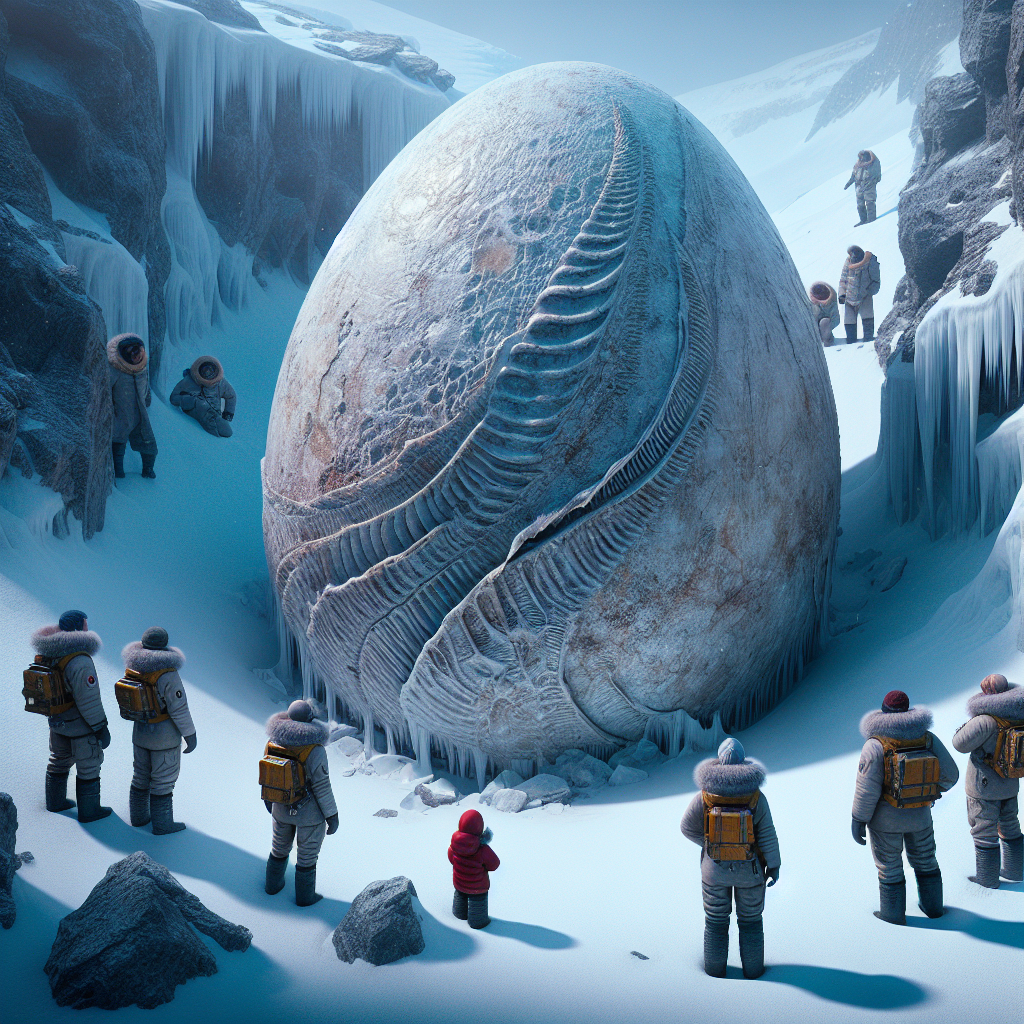
A remarkable fossil discovery in Antarctica is compelling scientists to reconsider their understanding of ancient marine reptiles and their modes of reproduction. An egg, estimated to be 68 million years old, named Antarcticoolithus bradyi, has emerged as the largest soft-shelled egg ever found and the second largest of any known species on Earth. This find, detailed in a recent publication in Nature, is spurring a notable reevaluation of the reproductive strategies of prehistoric giants like mosasaurs and plesiosaurs.
A Fossil That Defies Expectations
Unearthed during a 2011 expedition, this unique egg puzzled researchers for years. Unlike the hard-shelled eggs typical of dinosaurs, this specimen boasts a soft, thin shell akin to the eggs of modern snakes and lizards. Measuring approximately 11 inches long by 8 inches wide, its deflated and wrinkled appearance led researchers to affectionately nickname it “The Thing,” referencing a classic sci-fi film. Julia Clarke, a vertebrate paleontologist at the University of Texas at Austin and leader of the research team, stated, “There’s no known egg like this… It is exceptional in both size and structure.” This egg highlights the intricate biodiversity God designed into our world, aligning with the belief that creation reflects divine creativity (Genesis 1:31).
Clues Point to a Mosasaur Origin
The egg was discovered near the fossilized remains of Kaikaifilu hervei, a giant mosasaur exceeding 23 feet in length. This dinosaur’s relatives, which thrived in ancient oceans during the late Cretaceous period, lend credence to the idea that the site was a nursery for marine reptiles. Lucas Legendre, lead researcher and postdoctoral fellow at UT Austin, emphasized that while the egg originated from an animal akin to a large dinosaur, it dramatically differs from conventional dinosaur eggs. This discovery suggests that soft-shelled egg-laying may have been more prevalent among marine reptiles than previously recognized, prompting reflections on the diversity of life forms and their reproductive methods as part of God’s wondrous creation.
Soft Shells, Hard Questions
The implications of this discovery challenge existing theories regarding dinosaur reproduction. Soft-shelled eggs, such as A. bradyi, rarely fossilize, suggesting that past assumptions may be based on an incomplete record. Mark Norell from the American Museum of Natural History commented on the shift in understanding, stating that recent findings indicate soft-shelled eggs might have been more common than once thought. As we reconsider the evolutionary history of reptiles, we might also reflect on the broader spiritual lesson: sometimes, what we assume is the norm in life can be challenged by new learnings, aligning with Proverbs 18:15, which encourages seeking knowledge and wisdom.
Evolution Reimagined
Beyond taxonomy, this discovery reshapes our understanding of evolution. Researchers are now reconsidering traditional comparisons with modern birds and crocodiles, suggesting that such analogs might not fully account for the complexity of ancient life. Matteo Fabbri from Yale underscored the need to embrace a broader perspective. This journey into understanding the past reveals that exploring the unknown can enrich our faith and understanding, reminiscent of Romans 11:33, where we are reminded of the depth of God’s wisdom and knowledge.
Antarctica: A Window Into the Prehistoric Past
The exceptional preservation of A. bradyi in Antarctic sediments highlights the continent’s critical role as a paleontological treasure trove. Future expeditions aim to further explore this unique habitat and uncover more about the ecological roles of ancient marine reptiles.
Encouraging Takeaway
As we marvel at the intricacies of creation and the unexpected revelations these discoveries can bring, let us remain open-hearted and curious. Just as these scientific explorations encourage us to appreciate the diversity of life, they also prompt us to seek understanding in our own lives. Reflect on this passage from Psalm 139:14: “I praise you because I am fearfully and wonderfully made; your works are wonderful, I know that full well.” Let this serve as a reminder that every discovery, whether in nature or within ourselves, can lead us closer to recognizing the beauty of God’s design.
Explore and dig up answers yourself with our BGodInspired Bible Tools! Be careful – each interaction is like a new treasure hunt… you can get lost for hours 🙂