 0
0
 0
0
Africanizing Biotechnology: A Call for a New Paradigm in Sustainable Agriculture Research
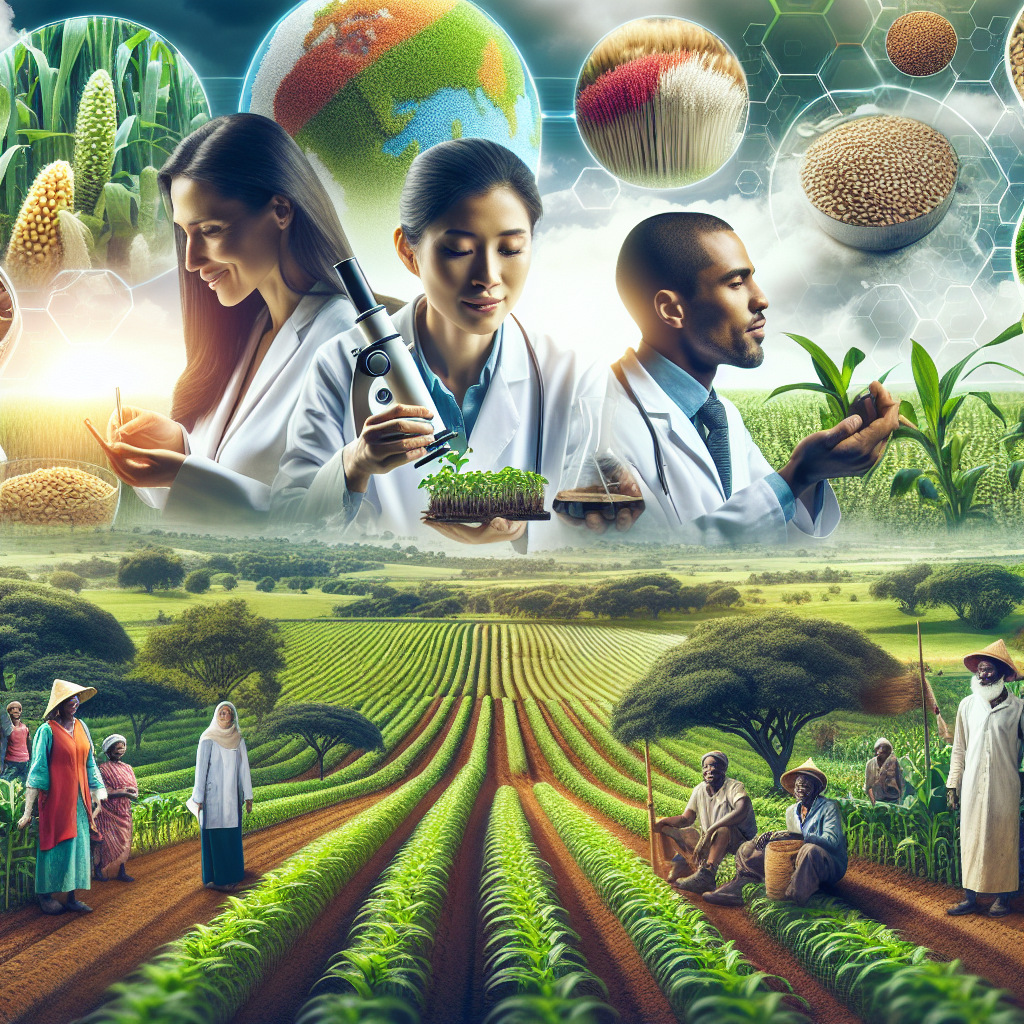
In a compelling critique of current agricultural research practices, scientists advocate for the depoliticization of biotechnology in Africa, urging for a more localized approach to sustainable agriculture. This perspective emerges from the recognition that the continent’s unique agricultural challenges require innovative solutions tailored to its context rather than the imposition of external methodologies.
The article emphasizes that progress in biotechnology must involve African scientists at the forefront, utilizing indigenous knowledge and understanding local ecosystems to cultivate resilience in agricultural practices. In doing so, the researchers call for collaboration that transcends political agendas and serves humanity’s broader needs—an echo of the biblical principle found in Proverbs 15:22, which states, “Plans fail for lack of counsel, but with many advisers they succeed.”
As scientists push for African-centric solutions, they highlight the importance of creating environments where ideas flourish free from external political pressures. This rationale aligns closely with the Christian value of stewardship, particularly the call to care for creation as outlined in Genesis 2:15. The act of nurturing the earth aligns with fostering sustainable agricultural practices that can lead to food security and improved livelihoods for communities.
Moreover, the discussion circles back to the consequences of neglecting local expertise in favor of imported solutions, which can often overlook critical factors inherent to African agriculture. The call for deeper investment in local research reflects a belief in the vast potential humanity holds when working together, mirroring Jesus’s teaching in the Gospels about the value of community and support, where “where two or three gather in my name, there am I with them” (Matthew 18:20).
As the article concludes, it encourages all stakeholders—scientists, policymakers, and the larger international community—to internalize this message of prioritizing local contexts while remaining rooted in cooperation and humility. It’s a reminder that through thoughtful engagement and respect for local knowledge, sustainable solutions can flourish.
In an era where agricultural resilience is increasingly paramount, the insights shared can guide us to reflect on our role as caretakers of God’s creation, embracing collaborative and compassionate approaches to support those who feed our world. This is not just a scientific endeavor but a moral imperative that resonates with a hopeful vision for better stewardship of the earth. As readers ponder this message, they may find encouragement in the thought that together, with a spirit of unity and respect, we can cultivate a flourishing world.
Explore and dig up answers yourself with our BGodInspired Bible Tools! Be careful – each interaction is like a new treasure hunt… you can get lost for hours 🙂