 0
0
 0
0
You typed “sabbatical meaning” for a reason. Maybe a friend just took one. Maybe your boss said the word in a meeting. Or maybe you are tired in a way a weekend does not fix, and you want to know if a long break is a real thing people are allowed to take.
It is. Here is the short answer first.
A sabbatical is a long, planned break from your normal work, after which you come back. It is longer than a holiday. It is not quitting. It can last a few weeks or a full year. Sometimes you are paid, sometimes you are not.
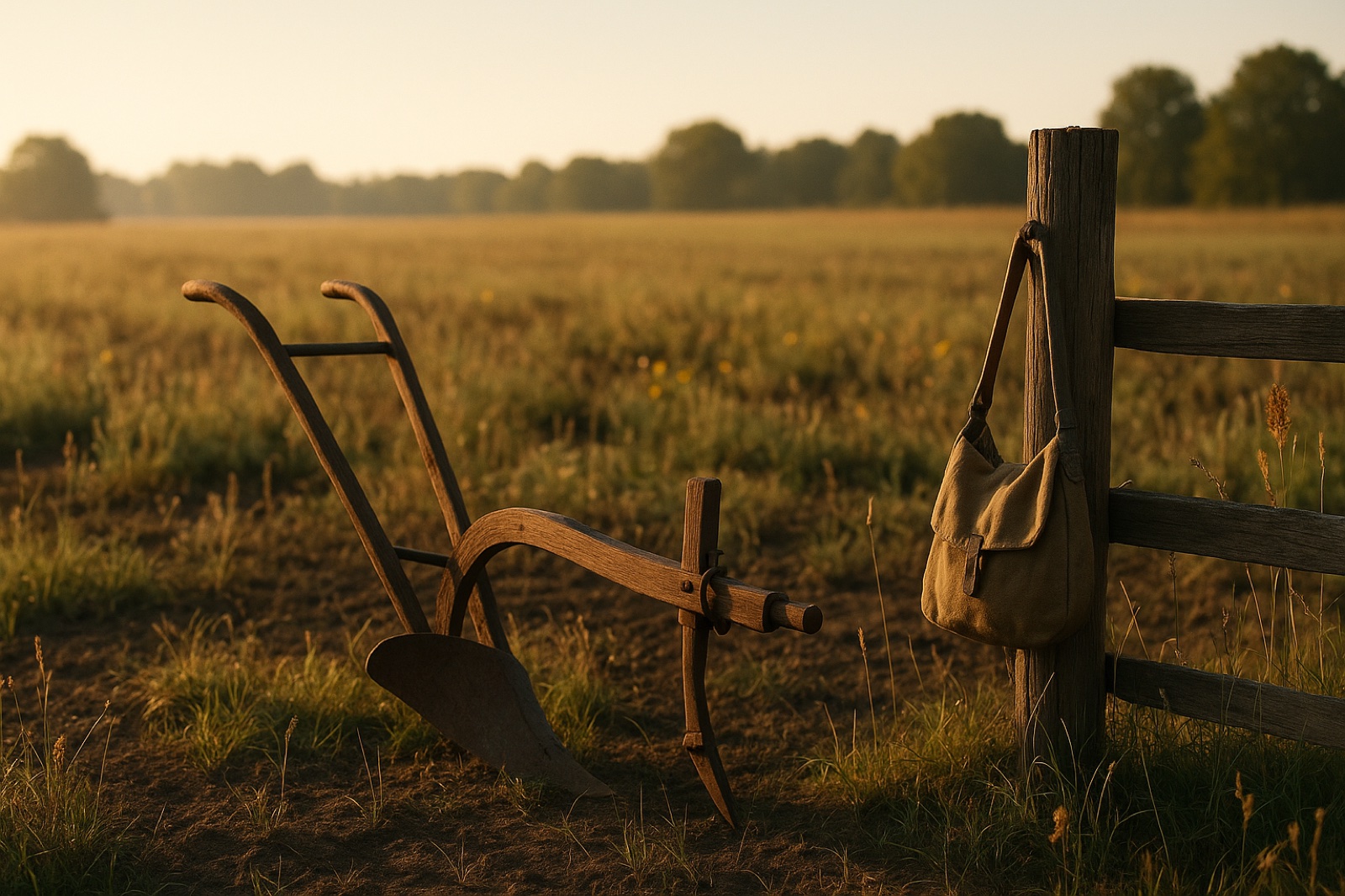
That is the dictionary part. The rest of the story is stranger, and it starts in a field.
Sabbatical Meaning in Plain Words
Three things make a break a sabbatical and not just time off.
- It is long. Usually a month or more. Long enough that you stop thinking about work in your sleep.
- It is planned. It is agreed ahead of time. It is not sick leave and it is not being let go.
- You return. Your job, or your working life, is still there at the end.
People use a sabbatical to rest, to study, to travel, to care for family, to write, or simply to find out who they are when nobody needs anything from them.
Who Gets a Sabbatical? Paid or Unpaid?
For a long time, the honest answer was “professors.” Universities have offered sabbaticals for well over a hundred years, often one term or one year off after about six years of teaching.
Outside of universities, it is much less common. In a 2017 survey of companies in the United States by the Society for Human Resource Management, about 17% said they offered some kind of sabbatical. So most workers, in most places, are not handed one.
When a sabbatical is offered, it comes in three main shapes:
- Paid. You keep your full pay, or part of it. This is the rarest kind.
- Unpaid. Your job is held for you, but your pay stops. This is more common.
- Self-made. You save up, leave a job or pause your own business, and give yourself the time. Nobody grants it. You just take it.
If you want to ask for one, keep it simple. Find out if your workplace has a written policy. Ask early. Say how long, say who could cover your work, and say when you will be back.
And if you read that list and thought, “None of those are possible for me,” stay with me. The oldest kind of sabbatical was not built for people with savings.
Where the Word Sabbatical Comes From
The word came into English from Latin sabbaticus and Greek sabbatikos. Both go back to a Hebrew word, shabbat, which comes from a root that means to stop.
Most people know the weekly version: one day in seven with no work. But the first “sabbatical year” was not for people at all. It was for the dirt.
An old Hebrew farming law, written down in the first books of the Bible, said this: plant your fields for six years. In the seventh year, do not plant. Do not prune the vines. Let the ground lie still.
The land got a year off.
And the law went further. Whatever grew on its own that year did not belong only to the owner. It was food for the servants, the hired workers, the stranger passing through, the poor, the cattle, and even the wild animals. In the same seventh year, debts between neighbors were to be let go.
The law even says out loud the thing every farmer would be thinking: but what will we eat? It does not pretend the fear is silly. It answers it, with a promise that there would be enough from the year before.
When the word first showed up in English, in the 1590s, it still meant this. One of the earliest known uses is from a Scottish writer named Robert Pont in 1599, writing about “sabbatical years.” The word simply meant “every seventh.”
How a Farm Law Became a Work Perk
Jump ahead to 1880. Harvard University, under its president Charles Eliot, started a new rule for its teachers. The record of that rule says a professor could take a year away on half pay, but no more than once in seven years.
Two small details are easy to miss.
First, Harvard did not call it a sabbatical at the start. The name got attached a few years later. Wellesley College, in 1886, seems to be the first to formally use the word for its own plan.
Second, look at what the leave was for. The rule listed four reasons: “health, rest, study, or the prosecution of original work.” Health and rest came first. Rest was a good enough reason by itself.
That has slowly changed. Today many sabbaticals come with a plan, a project, and a report to hand in at the end. We took the word that means stop and gave it homework.
Does a Sabbatical Actually Help?
There is some real evidence. In a 2010 study in the Journal of Applied Psychology, researchers followed 129 university teachers on sabbatical and 129 similar teachers who kept working. The ones on sabbatical reported less strain and better well-being while they were away. The ones who stayed showed no change.
The interesting part is who gained the most. It was the people who truly let go of work while they were gone, and who felt the time was their own. A long break spent checking messages did less.
One honest limit: that study was about university teachers. Nobody should promise it works the same for a nurse, a driver or a shop owner. But the pattern fits what most tired people already know. It is not only the length of the break that matters. It is whether you really stop.
If you are not sure how worn down you are, our free Am I Burned Out at Work? check takes a few minutes and can help you put words to it.
The Part the Dictionary Leaves Out
Here is what stayed with me about that old farm law.
The field did not earn its year off. Nobody checked whether the soil had worked hard enough. Nobody waited until the ground was ruined. The rest was on the calendar before the first seed went in.
We tend to do the opposite. We treat rest like a prize for being used up. We wait until we are empty, and then we feel guilty for stopping. That is the quiet rule behind hustle culture, and it is a big part of why emotional exhaustion is so common.
The people who kept that law believed something different. They believed God had built rest into the way the world works, for the land, the worker, the stranger and the animals alike, and that it comes as a gift, not as wages.
You do not have to share that belief to feel the weight of the idea. Rest that is scheduled is very different from rest that has to be deserved.
If You Can’t Take a Year Off
Most of us cannot leave work for a year. But the pattern is older than the perk, and it works at any size.
- Put it on the calendar first. Pick a small, regular stop, such as one evening a week or one hour on a set day, and mark it before the week fills up.
- Let one thing lie still. A field rests by not being worked. Choose one task, one worry or one screen that you will not touch during that time.
- Do not make it earn its keep. No project. No report. If something good grows on its own, enjoy it.
- Say the fear out loud. “What if things fall apart while I stop?” It is an old and fair question. Name it, then stop anyway, and see what is really still standing after.
A sabbatical, in the end, is not only a year away from a desk. It is the idea that stopping was always part of the plan.
Sabbatical Meaning: Questions and Answers
What does sabbatical mean?
A sabbatical is a long, planned break from normal work, after which the person returns. A sabbatical usually lasts from about a month to a full year and can be paid or unpaid. The word comes from the Hebrew word shabbat, which comes from a root meaning to stop.
Is a sabbatical paid or unpaid?
A sabbatical can be either paid or unpaid. Some employers keep paying full or part salary during a sabbatical, but many only hold the job open without pay. Some people fund their own sabbatical from savings. The first Harvard University leave plan in 1880 gave professors a year away on half pay.
Where does the word sabbatical come from?
The word sabbatical comes from Latin sabbaticus and Greek sabbatikos, which come from the Hebrew word shabbat. It first described an old Hebrew farming law in the Bible that told farmers to leave their fields unplanted every seventh year so the land could rest. One of the earliest known English uses is from 1599.
How long is a sabbatical?
There is no fixed length for a sabbatical. Most sabbaticals last between one month and one year. University sabbaticals are often one term or one full academic year. A sabbatical is longer than a normal holiday and is agreed ahead of time.
What is the difference between a sabbatical and a vacation?
A vacation is a short break, usually days or a couple of weeks, taken from regular leave. A sabbatical is much longer, is planned well ahead, and is meant for deep rest, study or a change of direction. With both a sabbatical and a vacation, the person expects to return to work.
What Do You Think?
Should every worker get a long break after a set number of years, the way the old fields did, or is that only realistic for a few kinds of jobs? Tell us what you think in the comments.
Share This
“TIL the word sabbatical comes from an old farm law that gave the dirt a year off every seventh year. The dirt. https://bgodinspired.com/index.php/personal-growth-and-life-skills/sabbatical-meaning/”
“Harvard’s first leave rule in 1880 listed ‘health, rest, study’ as reasons. Rest was enough by itself. We’ve since given the word homework. https://bgodinspired.com/index.php/personal-growth-and-life-skills/sabbatical-meaning/”
“I always thought rest was something you earn after you are worn out. Turns out the original sabbatical was put on the calendar before anyone was tired. That changes how I think about my week. https://bgodinspired.com/index.php/personal-growth-and-life-skills/sabbatical-meaning/”