 0
0
 0
0
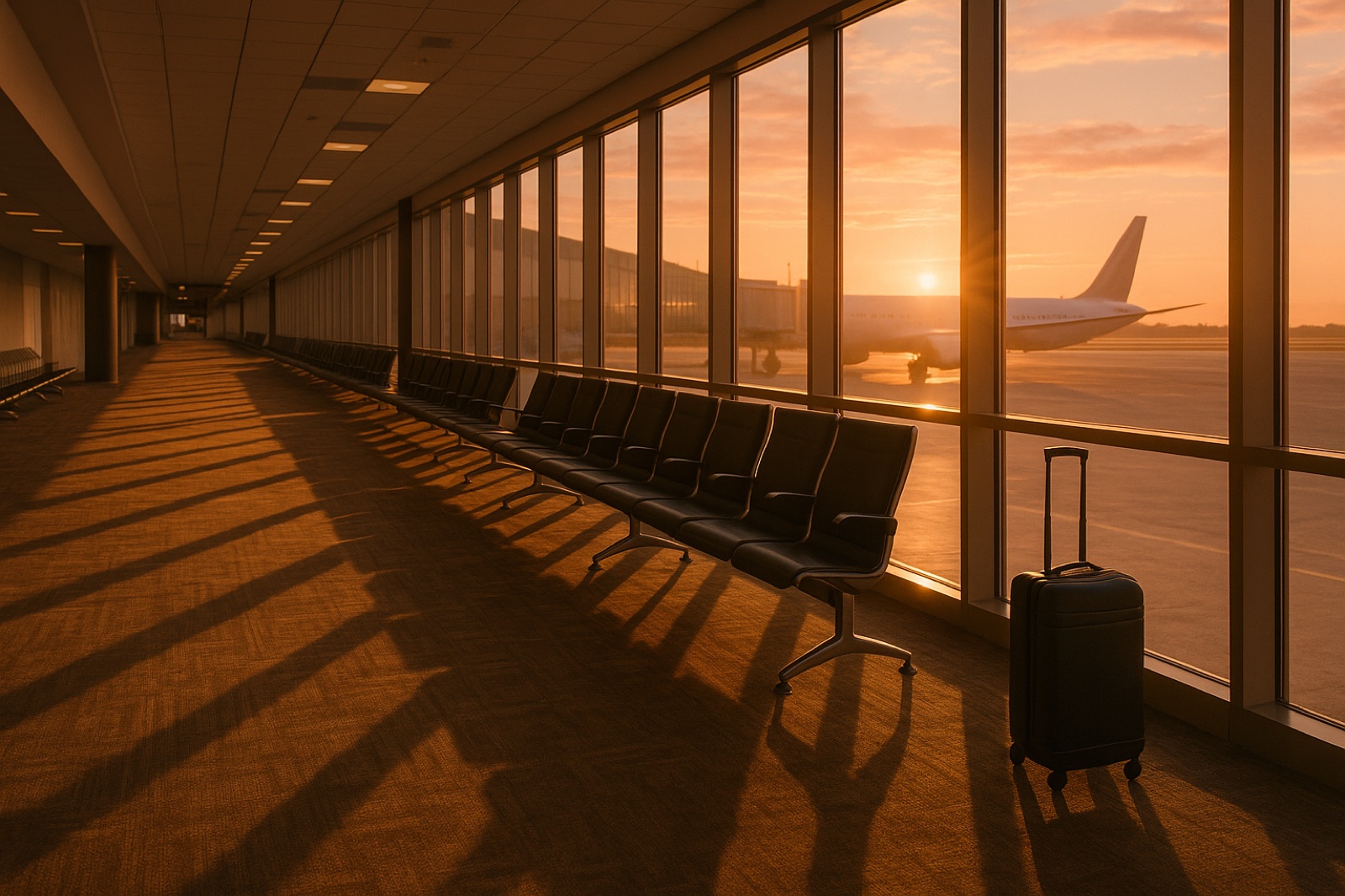
You’ve probably seen the pictures. An empty hallway with yellow walls. A shopping mall after closing, lights still on. An airport gate at 3 a.m., rows of seats and nobody in them. They look normal. And yet something about them makes the back of your neck prickle.
The internet has a name for that feeling: a liminal space. Every month, thousands of people type “liminal space meaning” into a search bar, trying to figure out what the phrase means and why those photos feel so strange.
Here is the short answer. A liminal space is an in-between place. It is somewhere you pass through, not somewhere you stay. And the word turns out to be much older, and much more human, than the creepy photos suggest.
Liminal Space Meaning: The Short Definition
“Liminal” comes from the Latin word limen, which means threshold. A threshold is the strip of floor under a doorway. You are not in the old room anymore. You are not in the new room yet. You are standing right on the line.
You already know this word without knowing it. Subliminal uses the same root. It means “below the threshold,” the thing too faint for you to notice.
So a liminal space is any threshold you can stand in:
- Places built for passing through: hallways, stairwells, car parks, waiting rooms, bus stations, airports.
- Times that sit between other times: 3 a.m., the hour before dawn, the quiet week between two big holidays.
- Seasons of life that sit between chapters: between jobs, between homes, between school and whatever comes next, between a diagnosis and a treatment plan.
The internet mostly uses the first meaning. The word was born in the third.
Where the Word Came From: A Book About Rites of Passage
In 1909, a folklorist named Arnold van Gennep wrote a book called The Rites of Passage. He had noticed something about ceremonies all over the world. Weddings, funerals, coming-of-age rituals, the moment someone joins a new group. They nearly all move in three steps.
- Separation. You leave the old way of being.
- The in-between. You are no longer who you were, and not yet who you will be.
- Return. You come back into the community with a new place in it.
Van Gennep called these phases preliminal, liminal, and postliminal. The middle one is the threshold. The doorway.
More than half a century later, an anthropologist named Victor Turner picked up the idea and ran with it. In a famous essay, he said the middle phase was the most important part of the whole passage. People in it, he wrote, are “betwixt and between.” They have let go of one identity and have not been handed the next one.
That is the part most explainers stop at. But Turner noticed something else, and it is the part worth keeping.
The Part Most Explainers Leave Out: The In-Between Makes Friends
Turner saw that people going through the in-between together often form an unusually deep bond. Their old titles and ranks stop mattering for a while. Nobody is quite anyone yet. So they meet each other as plain equals.
He even made up a word for it: communitas. It is the closeness shared by people standing on the same threshold.
You may have felt it yourself. The strangers you talked to during a long delay at a station. The people in a hospital waiting room at night. The classmates who went through the hardest year with you and still feel like family. The in-between is uncomfortable. It is also where some of the truest friendships are made.
So the original meaning of “liminal” was never only about being lost. It was about being in passage, on the way somewhere, often alongside others.
Why Liminal Space Photos Feel So Eerie
So why do the internet photos feel creepy instead of hopeful? A few reasons, and they fit together.
The people are missing. A hallway, a mall, or an airport is built for crowds. When you see one completely empty, your brain notices that something expected is gone. Writers on the “eerie” call this a failure of presence: the space is telling you someone should be here, and no one is.
It is familiar, but slightly off. Psychologists Alexander Diel and Michael Lewis published research in 2022 suggesting that buildings which bend familiar patterns can trigger something like the “uncanny valley,” the same uneasy feeling people get from a robot that looks almost, but not quite, human.
It feels like a memory. Many of these photos use old carpet, fluorescent lights, and ceiling tiles from the 1990s and 2000s. For a lot of viewers, they look like a school or a hotel from childhood. You half remember a place like this, but you can’t say where.
You were never meant to stay. This is the deepest reason. A hallway is designed to be walked through in a few seconds. A photo freezes you there. It turns a place of passing into a place of waiting, and waiting in a place built for passing feels wrong.
The Backrooms and the Internet Trend
The trend really took off in May 2019, when someone posted a photo on the online forum 4chan: an empty room with yellow wallpaper, damp-looking carpet, and buzzing fluorescent lights. Another user added a story. If you slipped “out of bounds” in real life, the story said, you would fall into the Backrooms, an endless maze of empty rooms.
That spooky tale spread into games, videos, and stories. Then, during the 2020 lockdowns, when real streets and offices really did sit empty, liminal space photos spread even further. For many people, the whole world had become a waiting room.
When Your Whole Life Feels Like a Liminal Space
Here is why this word keeps getting searched. For a lot of people, it is not really about hallways. It is about a season.
You finished one thing, and the next thing has not started. The job ended and the new one is not there yet. The relationship is over, and you don’t know who you are without it. You moved to a new city and nothing feels like home. You are waiting on test results, a visa, an answer.
It feels exactly like those photos. Everything is technically fine. Nothing is happening. And you feel like you are standing in a hallway with the lights humming, waiting for something you can’t name.
If that’s you, a few honest things are worth knowing.
- The in-between is a real stage, not a failure. Van Gennep found it in ceremonies across the world. It is a normal part of how humans change, not proof that you have fallen behind.
- It is supposed to feel unfinished. That strange, unsettled feeling is part of what a threshold is. It does not mean you are doing it wrong.
- Look for your communitas. Turner’s point matters here. Find one or two people who are also in-between, or who remember being there. Standing on a threshold with someone is a very different thing from standing there alone.
Waiting well is a skill, and most of us were never taught it. If you’re curious how you actually handle the wait, the free How Patient Am I? quiz takes a couple of minutes. And if your in-between season feels less like a pause and more like a long hard stretch, the idea behind the Stockdale Paradox is worth a read: how people hold on to hope without pretending things are easier than they are.
What the In-Between Is For
One of the oldest stories people tell is about exactly this kind of season. A whole nation walked out of slavery and into the desert. They were no longer slaves and not yet home. They spent forty years in that in-between.
And the strangest detail in the story is easy to miss. While they were in the desert, bread appeared on the ground every morning. Just enough for that day. They could not store it up. They had to trust it would come again tomorrow. Then, the day after they finally ate food grown in their new land, the story says the bread simply stopped.
The daily provision was not a feature of the destination. It belonged to the in-between. The wilderness was the one place where they could see, every single morning, that God was the one feeding them.
Maybe that is what a liminal season is quietly for. Not only a hallway to hurry through, but the place where you find out what has been holding you up all along.
The Hallway Always Leads Somewhere
Those empty-hallway photos feel eerie because they freeze a moment that was never meant to last. But real hallways don’t stay frozen. Someone always walks through. The lights at the airport gate come up, the plane boards, the seats fill again.
If you are standing on a threshold right now, you are not stuck in the Backrooms. You are in the middle part of a passage, the part every person who ever changed has had to walk through. It’s allowed to feel strange. Just keep walking.
If you love words that name a feeling you already had, you might also enjoy the story behind petrichor, the word for the smell of rain on dry ground.
Questions People Ask About Liminal Spaces
What does liminal space mean?
A liminal space is an in-between place, time, or season: somewhere people pass through on the way to something else. The word “liminal” comes from the Latin limen, meaning threshold. Hallways, airports, waiting rooms, and the hours before dawn are common examples, and so are life transitions such as the time between two jobs.
Who came up with the idea of liminality?
The French folklorist Arnold van Gennep introduced the idea in his 1909 book The Rites of Passage, where he described ceremonies as moving through three phases: preliminal, liminal, and postliminal. The anthropologist Victor Turner later made the idea famous, describing people in the liminal phase as “betwixt and between.”
Why do liminal spaces feel creepy?
Liminal space photos usually show places built for crowds, such as malls, hallways, and airports, with no people in them. That missing presence, combined with settings that feel familiar but slightly off, can trigger an uneasy, uncanny feeling. Places designed to be passed through quickly also feel strange when a photo freezes the viewer inside them.
What is the connection between liminal spaces and the Backrooms?
The Backrooms is an internet horror story that began on the 4chan forum in May 2019 with a photo of an empty yellow-walled room lit by fluorescent lights. The story described an endless maze of empty rooms. It became the best-known example of the liminal space aesthetic and helped spread the trend across games, videos, and social media.
What is communitas?
Communitas is a word coined by anthropologist Victor Turner for the strong bond that forms between people who go through a transition together. During an in-between phase, normal ranks and roles fade, so people tend to meet each other as equals, which is why friendships formed in hard seasons often run deep.
Discussion Question
Which liminal space gets to you the most: an empty school hallway, an airport at night, a car park after dark, or somewhere else? And do you think the eerie feeling comes from the place itself, or from what it reminds you of? Tell us in the comments.
Share This
“TIL ‘liminal’ comes from the Latin word for threshold, the strip of floor under a doorway. A liminal space is anywhere you’re not in the old room and not yet in the new one. Explains a lot about this year. https://bgodinspired.com/?p=117327”
“The anthropologist who made ‘liminal’ famous noticed that people going through the in-between together form an unusually deep bond. He called it communitas. Some of my closest friends are from my hardest season, so that tracks. https://bgodinspired.com/?p=117327”
“Those creepy empty-hallway photos feel wrong because hallways are built to be walked through, and a photo freezes you in one. Weirdly comforting if you feel stuck between chapters: the hallway always leads somewhere. https://bgodinspired.com/?p=117327”