 0
0
 0
0
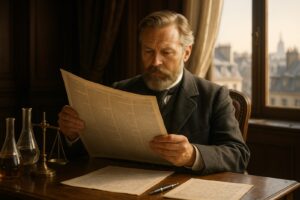
John Newton captained slave ships. Not before his conversion — after it.
That is the fact most retellings leave out, and it is the one that makes the word wretch mean what it means. He wrote this hymn in 1772, and it took him another thirty-odd years to say publicly what he had done.
Listen: Amazing Grace
Amazing Grace — Full Lyrics
Verse 1
Amazing grace! how sweet the sound,
That saved a wretch like me!
I once was lost, but now am found,
Was blind, but now I see.
Verse 2
‘Twas grace that taught my heart to fear,
And grace my fears relieved;
How precious did that grace appear
The hour I first believed!
Verse 3
Through many dangers, toils and snares,
I have already come;
‘Tis grace hath brought me safe thus far,
And grace will lead me home.
What “wretch” meant to the man who wrote it
People sometimes soften the word, or swap it out. It is worth knowing who chose it.
Newton went to sea as a boy, was pressed into the Royal Navy, deserted, was flogged, and ended up himself enslaved for a period in West Africa. In 1748 his ship was nearly lost in a storm off Donegal and he called out to God — the event he dated his conversion from.
And then he went back to the slave trade. He made three further voyages as a captain of slave ships, and by his own later account did not at the time think there was anything wrong with it. He left the sea in 1754 after a stroke, not out of conscience.
So when the hymn says a wretch like me, it is not a general statement about human frailty. It is a specific man with a specific history, using the hardest word he could find about himself. Softening it removes the only thing that makes the first line true.
“Grace that taught my heart to fear”
Verse two contains a line that looks like a contradiction: grace taught him to fear, and grace relieved the fear. Both, in that order.
Newton is describing a sequence. The first thing grace did was show him what he actually was — which was frightening. Only after that did it do the comforting. He is saying the fear was not the opposite of grace; it was grace, arriving first with the truth.
It took decades for that to work all the way through. In 1788 Newton published Thoughts Upon the African Slave Trade, a pamphlet describing what he had done and seen, and apologised for a confession he said was coming far too late. He worked with William Wilberforce, and lived to see the slave trade abolished in Britain in 1807, months before his death.
The verse Newton never wrote
The stanza most people sing last — When we’ve been there ten thousand years — is not his. It appeared in other collections before being attached to this hymn in the nineteenth century, and became permanent when it was printed alongside Newton’s verses in Uncle Tom’s Cabin in 1852.
Newton’s own final verse is rarely sung now: The earth shall soon dissolve like snow, the sun forbear to shine; but God, who called me here below, will be forever mine.
About this recording
The recording above is our own traditional gospel arrangement of Newton’s public-domain text, produced with AI-assisted music generation. The words are unchanged. The setting is new, so if you grew up singing NEW BRITAIN, this will sound like the hymn you know in different clothes.
Frequently Asked Questions
Who wrote Amazing Grace?
John Newton wrote the words in 1772, for a New Year’s service in Olney, Buckinghamshire, where he was curate. The tune everyone knows, NEW BRITAIN, is an American folk melody first printed with these words in 1835 — Newton never heard it.
Was John Newton a slave trader when he wrote Amazing Grace?
Not when he wrote it, but he had been one after his conversion, not only before. He dated his conversion to a storm at sea in 1748 and then captained slave ships for several more years, leaving the trade in 1754 after a stroke rather than out of conscience. He did not publicly condemn it until 1788.
What does “wretch” mean in Amazing Grace?
A wretch is a person in a despicable or contemptible state. Newton chose it about himself deliberately and with a specific history in view. It is not a general comment on human weakness, which is why substituting a gentler word changes what the line is claiming.
Is Amazing Grace in the public domain?
Yes. Newton’s text dates from 1772 and the NEW BRITAIN tune from 1835, both far earlier than the 1930 US public-domain cutoff, so both may be printed, projected, sung and recorded freely. Specific modern arrangements can still carry their own copyright, so licence the arrangement rather than the hymn. You can hear our public-domain arrangement here.
How many verses does Amazing Grace have?
Newton wrote six. Most services and recordings use three or four, and ours sings the first three. The famous “When we’ve been there ten thousand years” stanza is not one of Newton’s — it was attached to the hymn later.
Who wrote “When we’ve been there ten thousand years”?
Its author is unknown. The stanza circulated separately in American hymn collections before being joined to Amazing Grace, and its place at the end of the hymn was cemented when Harriet Beecher Stowe printed it with Newton’s verses in Uncle Tom’s Cabin in 1852.
What does “’twas grace that taught my heart to fear” mean?
It describes a sequence rather than a contradiction. Newton says grace first showed him what he actually was, which was frightening, and then relieved the fear it had caused. The fear is not presented as the opposite of grace but as its first effect.
What Bible passage is Amazing Grace based on?
Newton preached it alongside 1 Chronicles 17:16-17, David’s prayer beginning “Who am I, O LORD God, and what is mine house, that thou hast brought me hitherto?” The “was blind, but now I see” line echoes John 9:25.