 0
0
 0
0
Spiritual Devotional about Spiritual Pilgrimages
Embarking on a Spiritual Pilgrimage: A Journey of the Soul
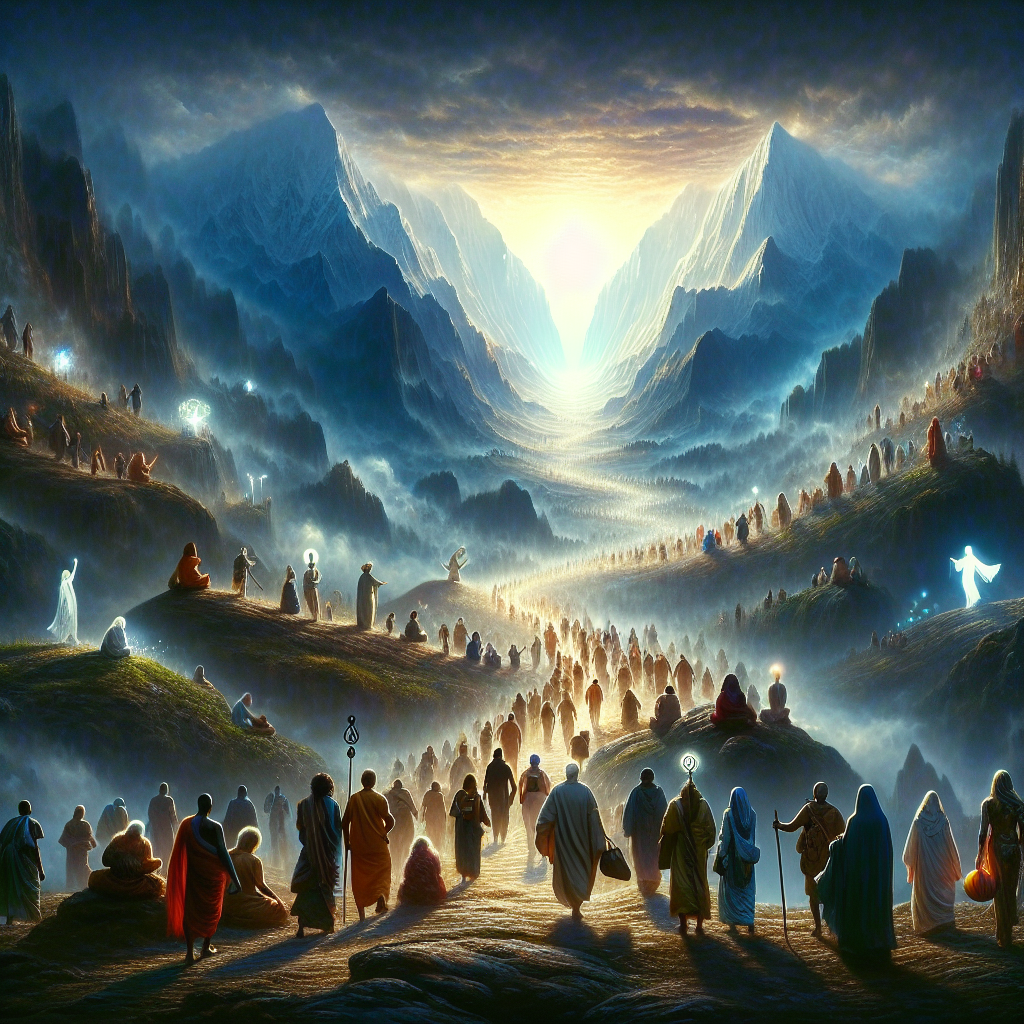
Embarking on a spiritual pilgrimage is not just about traveling to a specific location; it’s about embarking on a transformative journey of the soul. Whether you walk in the footsteps of ancient travelers or explore the depths of your own heart, a pilgrimage is a sacred path leading to spiritual renewal and divine connection.
The Essence of Pilgrimage
In a world filled with distractions and busyness, setting aside time for a pilgrimage can be a refreshing pause that draws you nearer to God. Inspired by faith, seekers have journeyed through centuries to sacred sites, longing for a deeper encounter with the Divine. The beauty of a pilgrimage is that it mirrors our inner quest for spiritual growth and enlightenment.
Walking the Ancient Pathways
The Bible is rich with stories of journeys that transformed lives. Consider Abraham, who was called by God to leave his homeland and journey to an unknown land (Genesis 12:1). His pilgrimage was an act of faith and obedience, embodying trust in God’s promises. Likewise, the Israelites wandered through the desert for forty years, learning to depend on God for sustenance and guidance.
These journeys teach us about reliance on God, the importance of faith, and the rewards of perseverance. Every step taken is a step toward a closer relationship with our Creator.
Modern-Day Pilgrimages
Today, a pilgrimage might mean traveling to historic biblical sites like Jerusalem or Galilee, immersing ourselves in the rich tapestry of our faith’s heritage. But it doesn’t have to involve distant lands. It can also be a personal retreat, a time set apart for prayer, reflection, and spiritual renewal. What’s most important is the intention behind it—the desire to draw nearer to God and to embrace his presence in our lives.
Embracing the Journey
As we embark on our own spiritual pilgrimages, let us focus on the heart of the journey: transformation and closeness with God. A pilgrimage invites us to step away from the ordinary and enter into the extraordinary, opening our hearts to God’s voice and his loving guidance.
James 4:8 encourages us, “Draw near to God, and he will draw near to you.” This Scripture is a beacon, reminding us that God is always ready to meet us, whether on a mountaintop or in a moment of quiet contemplation. Our journey becomes a living prayer, each step a testimony of faith and hope.
Inspiring Growth and Faith
May your pilgrimage be filled with joy and discovery. Allow the Spirit of God to lead you, to teach you, and to mold you into the person he is calling you to be. As you walk this sacred path, may you find peace, healing, and a renewed sense of purpose.
Remember, you are not walking alone. You are part of a vast community of believers who, through the ages, have sought the divine and found grace and truth along the way. Embrace the journey, dear friend, and let it be a witness to the transforming power of God’s love.
Blessings on your journey! May it be a beautiful reflection of God’s light and a testament to his unending faithfulness.
If you want to want to know more about this topic, check out BGodInspired.com or check out specific products/content we’ve created to answer the question at BGodInspired Solutions
Q&A about Spiritual Pilgrimages
Q&A: Spiritual Pilgrimages
Q: What is a spiritual pilgrimage?
A: A spiritual pilgrimage is a journey to a sacred site or location that holds religious, spiritual, or personal significance. It is often undertaken as an act of devotion, reflection, and personal growth.
Q: What are some well-known spiritual pilgrimages around the world?
A: Some well-known spiritual pilgrimages include the Camino de Santiago in Spain, the Hajj to Mecca in Saudi Arabia, the Kumbh Mela in India, and the Shikoku Pilgrimage in Japan.
Q: What is the significance of the Camino de Santiago?
A: The Camino de Santiago, or the Way of St. James, is a network of routes leading to the cathedral of Santiago de Compostela in Spain, where tradition holds that the remains of Saint James are buried. Pilgrims walk these routes for spiritual reflection, personal challenge, or cultural interest.
Q: How does one prepare for a spiritual pilgrimage?
A: Preparation typically involves physical training, research about the path or site, gathering necessary supplies, and a spiritual or meditative mental readiness to engage fully with the experience.
Q: Are spiritual pilgrimages only for religious people?
A: No, spiritual pilgrimages can be undertaken by anyone seeking a meaningful journey, whether for religious reasons, personal reflection, or cultural exploration.
Q: What can one gain from undertaking a pilgrimage?
A: Pilgrims often gain a deeper understanding of themselves, a sense of peace or fulfillment, spiritual insights, and a connection with others or with the divine.
Q: Can modern technology enhance or detract from the pilgrimage experience?
A: Technology can both enhance by providing valuable resources and information, and detract by potentially reducing the focus on mindfulness and personal reflection. Balance is key.
Q: How do different cultures approach the concept of pilgrimage?
A: Different cultures have unique pilgrimage traditions reflecting their religious beliefs, historical contexts, and cultural practices. Despite differences, many share common themes of seeking transformation and connection.
Q: What is the role of community in spiritual pilgrimages?
A: Community plays a significant role as fellow pilgrims often share experiences, provide support, and form bonds that can lead to lifelong friendships and meaningful exchanges.
Q: Are there virtual pilgrimage options for those unable to travel?
A: Yes, some sites offer virtual tours and experiences that allow individuals to partake in a digital pilgrimage, accessing lectures, discussions, and virtual walks that simulate the journey from home.