 0
0
 0
0
Spiritual Devotional about Meditation
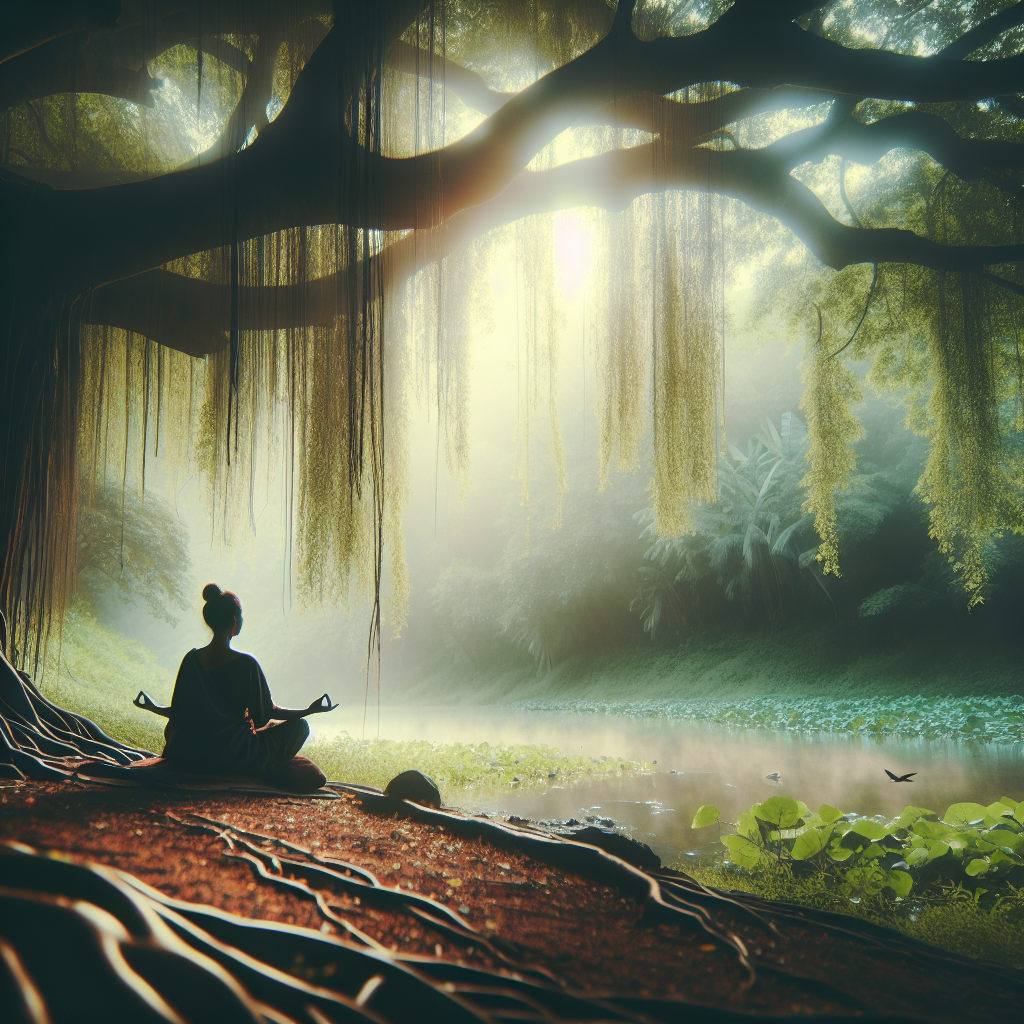
Embracing the Stillness: A Journey into Meditation
Welcome, dear friends, to a moment of serenity and spiritual adventure! In our fast-paced world, taking time to pause and reflect can be a profound act of faith. Today, let’s explore the beautiful practice of meditation—a timeless spiritual discipline that has touched countless lives throughout history.
Finding Peace Within
Meditation is more than just a practice; it’s a sacred journey inward, a chance to discover the divine whispers of God’s love within our hearts. In Psalm 46:10, we are gently reminded, "Be still, and know that I am God." This divine invitation calls us to slow down and embrace the quiet presence of the Almighty.
In these moments of stillness, we allow our minds and spirits to align with God’s purpose. It’s a glorious opportunity to listen, breathe, and feel the profound peace that surpasses all understanding.
Aligning with God’s Word
As we meditate, we can focus on Scriptural truths that uphold and inspire us. Philippians 4:8 encourages us to fix our thoughts on whatever is true, noble, right, pure, lovely, admirable—anything excellent or praiseworthy. By meditating on these values, we cultivate a mindset that reflects God’s love and grace.
Meditation becomes a divine dialogue, where we speak less and listen more, tuning our hearts to the wisdom of the Holy Spirit. Through this practice, we find clarity and guidance, as Proverbs 3:5-6 reminds us to trust in the Lord with all our hearts and lean not on our own understanding.
The Power of Breath and Prayer
Our breath is a gift from God, a reminder of His life-giving spirit within us. As we meditate, we embrace slow, mindful breathing, letting each inhale draw us closer to His presence and each exhale release our worries and burdens.
As the Apostle Paul speaks in 1 Thessalonians 5:17, "Pray without ceasing," meditation becomes a form of continuous prayer—a constant connection with our Creator, where silence speaks louder than words.
Inspiring Your Journey
Consider starting your meditation journey with gratitude. Expressing thankfulness for the miracles in our lives—both big and small—opens our hearts to receive God’s unending blessings. Feel His love surrounding you, filling every corner of your soul.
Remember, dear friends, that meditation is personal, and there’s no right or wrong way to practice. Whether it’s five minutes a day or an extended retreat, God sees your heart and rejoices in your desire to draw closer to Him.
Moving Forward in Faith
Let this practice of meditation be a source of strength and renewal, empowering you to shine your light into the world. Embrace the stillness, connect with God’s love, and let His peace guide your steps.
As we embark on this spiritual journey, encourage one another with words of love and support. Remember, you are never alone—God walks with us every step of the way.
May your meditation practice be a wellspring of joy and divine connection. Here’s to a fulfilling and spiritually enriching journey ahead!
Explore and dig up answers yourself with our BGodInspired App. Be careful – each interaction is like a new treasure hunt… you can get lost for hours 🙂
Q&A about Meditation
Q: What is meditation?
A: Meditation is a practice where an individual uses techniques such as mindfulness, focusing the mind on a particular object, thought, or activity, to train attention and awareness, and achieve a mentally clear and emotionally calm and stable state.
Q: What are the benefits of meditation?
A: Meditation can reduce stress, improve concentration, enhance self-awareness, promote emotional health, lengthen attention span, reduce age-related memory loss, and improve sleep. It may also help decrease blood pressure and improve pain management.
Q: How long should a beginner meditate?
A: Beginners can start with as little as 5-10 minutes a day and gradually increase the duration as they become more comfortable with the practice.
Q: Is it better to meditate in the morning or evening?
A: There is no definitive "better" time to meditate. It depends on personal preference. Some people prefer morning meditation to set a positive tone for the day, while others find evening meditation helpful for unwinding.
Q: Do you need a specific place to meditate?
A: While you don’t need a specific place to meditate, having a quiet, comfortable, and distraction-free environment can enhance the experience. Some people create a dedicated meditation space at home.
Q: Can anyone meditate, or is it necessary to have special skills or experience?
A: Anyone can meditate; no special skills or experience are necessary. It’s accessible to people of all ages and backgrounds.
Q: What are some common types of meditation?
A: Common types include mindfulness meditation, guided meditation, focused meditation, movement meditation (such as tai chi or yoga), mantra meditation, and transcendental meditation.
Q: How can I maintain consistency in my meditation practice?
A: To maintain consistency, try setting a regular schedule, using apps or guided sessions, starting with short durations, and joining a meditation group or class for accountability.
Q: Can meditation be used as a therapy for mental health conditions?
A: Meditation can be a helpful complementary practice for mental health conditions like anxiety and depression. However, it should not replace professional treatment but rather be used alongside other therapies.
Q: How do I know if I’m meditating correctly?
A: There’s no "right" or "wrong" way to meditate. If you feel more relaxed, focused, or aware, you are likely benefiting. The key is to be patient and consistent with your practice.