 0
0
 0
0
Ariana Grande is about to do something almost nobody at her level of fame ever does on purpose: disappear.
Not retire. Not “taking a hiatus” as a vague PR move that quietly reverses itself six months later. Her team confirmed it directly in early August 2026 — once her Eternal Sunshine Tour wraps this September, she’s stepping back from public-facing life. No red carpets. No campaign. No steady stream of appearances. She’s also walking away from a role she was set to originate in the West End revival of the musical Sunday in the Park with George, a production she was reportedly excited about.
The stated reason wasn’t burnout in the vague, Instagram-caption sense. Her representative was specific: she wants to finish the tour “healthily and happily,” and then take a real break from the near-constant public scrutiny that’s followed her for years. The tour itself is already smaller than her usual scale — by her own description, roughly half the size of tours she’s done in the past. She’s not going out with the biggest spectacle she can manage. She’s scaling down on her way out the door.
Stepping back while everyone still wants more
Here’s what makes this genuinely unusual: she’s not doing this after a flop, a scandal, or a career lull where stepping back is the graceful way to exit. She’s doing it at the top. Fresh off major visibility, still selling out shows, still one of the most searched names in music — and choosing, on purpose, to have less of the world’s attention rather than more.
Most of the entertainment industry runs on the opposite instinct. Visibility is the product. More reach, more coverage, more of the algorithm’s attention is treated as the whole goal, almost by default — the assumption baked into how fame works is that you say yes to more, for as long as more is being offered to you. Turning it down while it’s still on the table is the part that doesn’t fit the usual script.
It’s worth asking what “public scrutiny” actually costs a person that a bigger tour or a busier calendar doesn’t fix. It’s not just paparazzi photos or tabloid stories. It’s the sense of being interpreted by strangers faster than you can explain yourself — every expression, every offhand comment, every photo turned into a headline before you’ve had a chance to just be a person having a day. That kind of constant interpretation is exhausting in a way that’s hard to describe to someone who hasn’t lived inside it, and it doesn’t get better with more attention. It gets better with less.
Ever feel like you’re “on” all the time and can’t find a way off?
You don’t need a stadium tour or a public career for that feeling to be real. If you’ve ever wanted a quiet way back to feeling grounded and present, there’s a free guide built for exactly that — a simple way to experience real presence in the ordinary, unscrutinized parts of your day.
The science backs up what she’s doing
This isn’t just a celebrity’s instinct — researchers have actually studied what happens to people who never get real time alone. A ten-month Antarctic isolation study set out to measure the dangers of extreme solitude, and found something researchers didn’t fully expect: the hardest part wasn’t being cut off from the world. It was never getting a real moment alone — no space to just be a person without an audience, even a small one, watching and reacting.
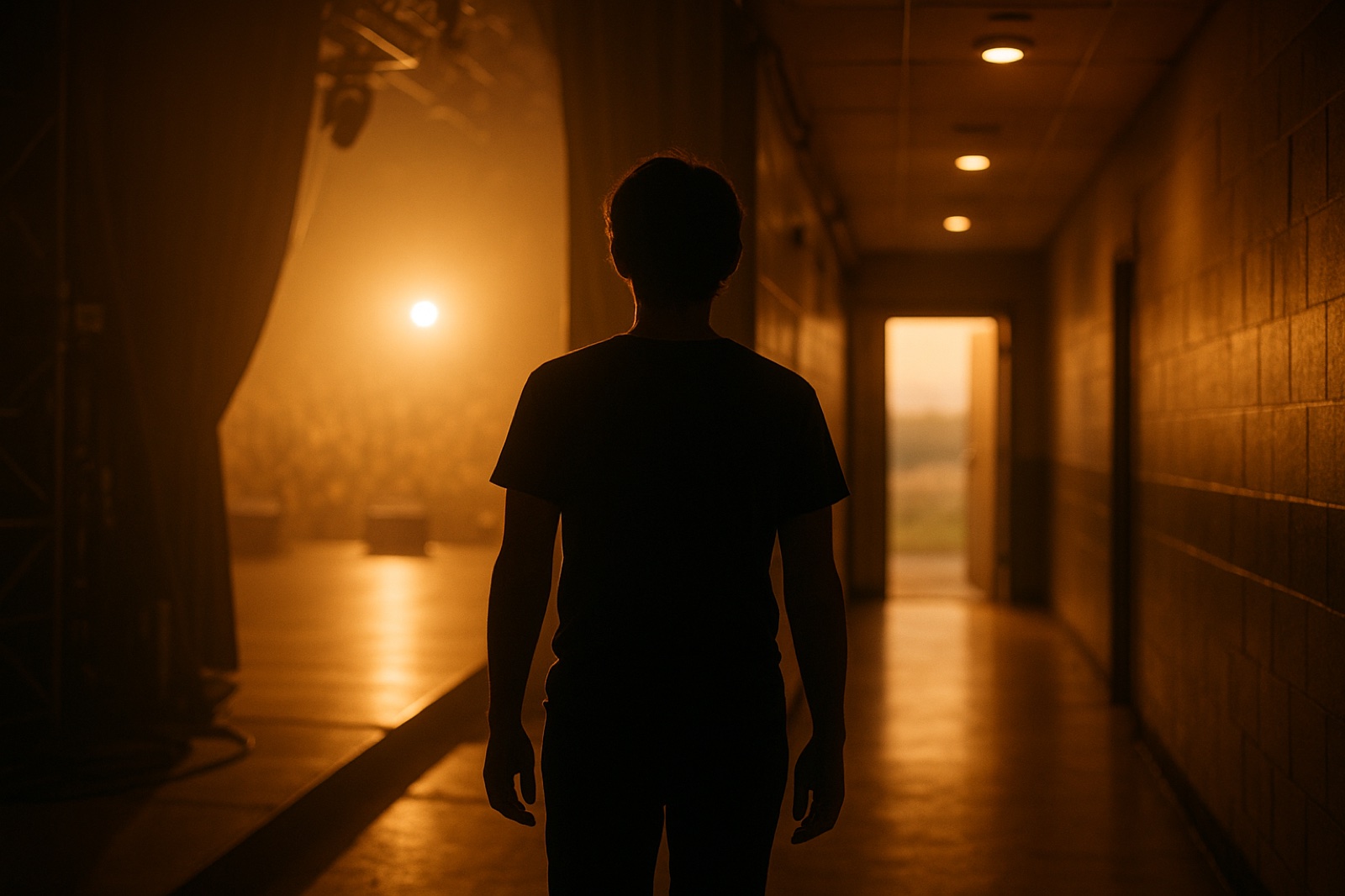
That’s the exact tension Grande is describing. It’s not that people don’t like being seen. It’s that a life with zero unwatched moments — where every version of you is a performance for someone — eventually costs something a bigger stage can’t pay back. Rest isn’t just sleep or a vacation. It’s having somewhere left that isn’t a stage at all.
She’s not the first — and probably won’t be the last
Grande joins a quiet but real tradition of high-visibility people choosing to step back mid-peak rather than after a fall. It rarely gets covered as heroically as a comeback does, because “I chose less” doesn’t make for the same kind of headline as “I chose more.” But the pattern keeps repeating: the people who’ve been the most visible are often the ones who eventually say, in one way or another, that being fully known by a crowd and being fully known by anyone are two completely different things — and only one of them actually feels like being loved.
What an old story already knew about this
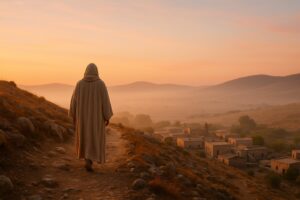
There’s a detail that shows up again and again in the accounts of a well-known figure from two thousand years ago that rarely gets much attention: at the exact moments his popularity was at its peak — after the miracles, after the crowds of thousands, right when the demand for him was highest — he would quietly withdraw. Alone. Often before sunrise, to some quiet, unremarkable place, simply to be still. Then he’d come back and keep going.
It wasn’t presented as a retreat from his purpose. It was presented as part of it — as if being fully present for people required, on a regular basis, being fully absent from them too. Ancient wisdom seemed to understand something modern visibility culture keeps forgetting: a person who is never unseen eventually loses track of who they are apart from being seen. Stepping back isn’t the opposite of a meaningful life in the spotlight. Sometimes it’s the thing that keeps a meaningful life possible at all.
That reframes what Grande’s team announced. It’s not really a break from her career. It’s closer to what that older pattern was doing all along — protecting the parts of a life that can’t survive being watched.
You don’t need a stadium tour for this to apply to you
Most people reading this aren’t managing 45-show arena tours or exiting West End productions. But the underlying question travels well past celebrity life: where is the one place in your week that nobody is watching, rating, or expecting anything from you? If the honest answer is “nowhere, really” — that’s worth paying attention to, the same way Grande’s team apparently did.
A few small, doable versions of the same idea: one meal a day with your phone somewhere else entirely. Ten minutes before anyone else in the house is awake, with no agenda for them. A walk with no one to report it to afterward. None of it needs to be dramatic. It just needs to be genuinely unwatched.
If you’ve never really explored what that kind of quiet, unscrutinized presence with God could actually feel like, this short assessment is a gentle place to start.
Whether or not you ever step back from anything as public as a world tour, the instinct behind it is one worth taking seriously: the busiest, most visible seasons of a life are exactly when the quiet, unseen moments matter the most — not less. And saying no to more, even when more is being offered, isn’t a failure of ambition. Sometimes it’s the clearest sign that a person still knows who they are underneath everything being said about them.
What do you think?
Would you be able to walk away from visibility at the height of it — or does the idea of stepping back while everyone still wants more sound harder than staying? Tell us in the comments.
Share this
- Ariana Grande is stepping back from public life at the literal height of her fame — and honestly? I get it. Being watched constantly isn’t the same as being known.
- Not a retirement. Not a scandal exit. Just: “I want less of this now.” Wild how rare that actually is in entertainment. Respect.
- The busiest, most visible season of your life is exactly when you need the most unwatched moments — not the fewest. Ariana Grande just proved it on a stadium-sized scale.
Frequently Asked Questions
Why is Ariana Grande stepping back from public life?
Her representative announced in early August 2026 that after her Eternal Sunshine Tour ends in September, Grande will step back from public-facing appearances and visibility. The stated reason is the ongoing public scrutiny that has followed her for years — she wants to finish the tour on a healthy, happy note and then take a genuine break from constant public attention.
Is Ariana Grande retiring from music?
No. What’s been announced is a step back from public visibility and appearances — not a retirement from music or an end to her career. New music has not been ruled out; what’s changing is the constant public-facing presence, not necessarily the work itself.
Did Ariana Grande drop out of a stage show?
Yes. She was set to appear in a West End revival of the musical Sunday in the Park with George in London, and has exited that production as part of this same step back.
Why do celebrities take breaks from public life at the height of their fame?
Constant visibility carries a real cost — being interpreted by strangers faster than a person can explain themselves, with almost no unwatched moments to simply exist without being evaluated. Research on extreme isolation has found that the absence of any private, unwatched time is often harder on a person than solitude itself. Stepping back at the peak, rather than after a decline, lets someone protect that private space before it’s gone entirely.
What can I learn from Ariana Grande stepping back, even if I’m not famous?
The core idea applies far beyond celebrity life: everyone needs at least some part of their day or week that isn’t being watched, rated, or performed for anyone. Small, unscrutinized moments — a walk, a quiet morning, an unshared meal — protect the same thing a bigger, more visible life can quietly erode.