 0
0
 0
0
Growing Together: The Transformative Power of Community Gardens in Urban Spaces
Introduction
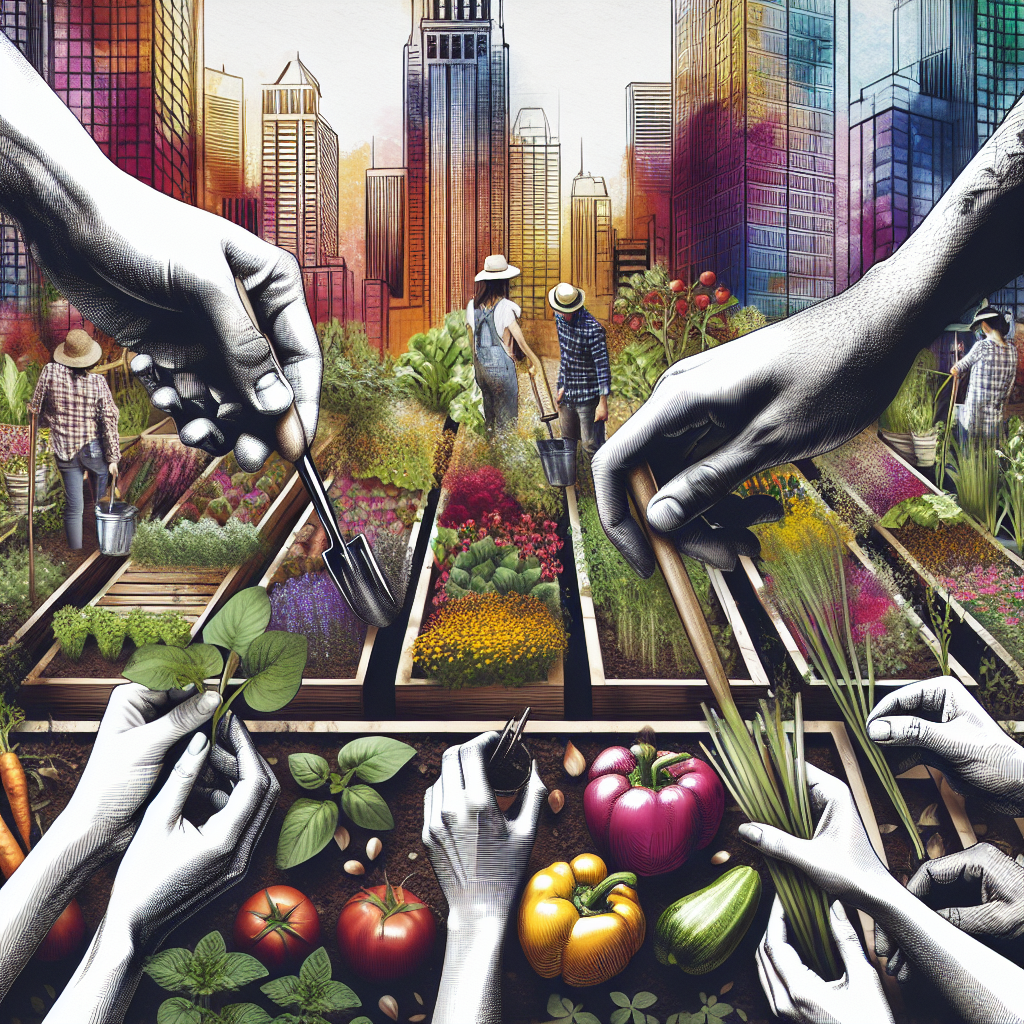
In the hustle and bustle of urban life, where concrete and steel dominate the landscape, the quiet miracle of life often gets overshadowed. Yet, amidst the noise, we find community gardens—green sanctuaries where individuals gather, grow, and transform not only the soil but also their relationships and neighborhoods.
God’s Creation and Our Responsibility
From Genesis 1:28, we see God’s call for humanity to "be fruitful and multiply," cultivating the earth and stewarding its resources. This divine commission speaks to the heart of community gardening. It is in these gardens that we witness God’s handiwork unfolding: seedlings breaking through the soil, diverse plants thriving together, and individuals coming together in solidarity and purpose.
Community gardens serve as reminders that we are meant to live in connection—not just with nature but also with one another. They reflect God’s fingerprints all around us. Each flower, each vegetable, and each person tending the soil embodies the gift of life and the beauty of diversity.
The Transformative Impact of Community Gardens
Community gardens have the power to transform urban spaces and lives in several profound ways:
-
Nurturing Community Bonds: Community gardens bring people together, fostering relationships among individuals from different backgrounds. As people labor side-by-side, they cultivate not just plants but friendships.
-
Environmental Stewardship: By transforming vacant lots or neglected areas into lush gardens, communities can combat urban heat, improve air quality, and promote biodiversity. Each garden acts as a small ecosystem, reminding us of our role in caring for Creation.
-
Mental and Physical Wellness: Gardening has proven therapeutic benefits. Spending time in nature improves mental health, reduces stress, and provides physical activity—all essential components of well-being.
-
Education and Empowerment: Community gardens serve as platforms for learning, where individuals can gain knowledge about sustainable practices, nutrition, and food systems. They empower communities to take charge of their food sources, making them less reliant on distant markets.
-
Sustaining Generations: Community gardens often pass knowledge down through generations, teaching children and youth the value of hard work, patience, and respect for nature. This sharing of knowledge nurtures a sense of legacy and responsibility to the earth.
An Invitation to Action
As we’ve explored the transformative power of community gardens, there lies an invitation to each of us. Here are steps you can take to engage with and support this movement:
-
Start or Join a Community Garden: If there is an existing community garden in your area, consider joining. Bring your skills, ideas, and enthusiasm, and connect with those around you. If there isn’t one, start it! Gather friends, family, and neighbors to identify a suitable location. Engage with local organizations for guidance and support.
-
Share Your Knowledge and Skills: Whether gardening, cooking, or educating others on sustainable practices, use your unique talents to benefit the community. Hosting workshops or demonstrations can help spread awareness and inspire others.
-
Advocate for Green Spaces: Engage with local government and advocate for policies that support the creation and maintenance of community gardens in urban areas. Be a voice for green spaces where people can gather, grow, and thrive.
-
Volunteer: Many urban gardens need extra hands. Dedicate a few hours a month to help maintain a local garden. Your physical labor is not just about the plants; it’s about building connections in your community and serving as a steward of God’s creation.
Closing Prayer
Heavenly Father, we thank You for the beauty of creation and for the gift of community. Help us to recognize Your fingerprints in the chaos of urban life. Inspire us to cultivate spaces where life flourishes—not just in gardens but in our hearts and among our neighbors. May we work together, rooted in love and purpose, as we seek to tend to the earth and to one another. Amen.
Conclusion
Community gardens are not just patches of green in a gray urban landscape; they are vibrant bastions of hope, relationship, and stewardship. As we engage with them, we do more than grow vegetables; we grow together, reflecting the love and unity that God desires for us. Together, let’s join hands and hearts and embrace the transformative power of community gardens in our urban spaces.
Explore and dig up answers yourself with our BGodInspired Bible Tools! Be careful – each interaction is like a new treasure hunt… you can get lost for hours 🙂