 0
0
 0
0
It’s almost always the same time of night. The house has gone quiet, the phone screen is still lit from the last scroll, and out of nowhere the thought just arrives: why do I feel empty inside? Not sad, exactly. Not even unhappy. Just hollow, in a spot nothing quite reaches — even on the days when everything on paper looks completely fine.
That question turns out to be one of the most-searched phrases in America right now. Thousands of people type some version of it into a search bar every single month — usually late, usually alone, usually after already trying the things they know to try.
Why “Why Do I Feel Empty Inside” Keeps Getting the Same Answers
Search that exact phrase and the internet is ready with a list. Drink more water. Get better sleep. Try gratitude journaling. Go to therapy. Get outside more. Cut back on screen time. None of that advice is wrong — most of it genuinely helps something. But there’s a reason it rarely touches the actual ache people are describing: it treats emptiness like a maintenance problem, something to optimize away with the right routine, the way you’d fix a phone that keeps dying by charging it more often.
The trouble is, plenty of people running a well-optimized life — solid sleep, a job they don’t hate, people who love them, an actual gratitude journal with entries in it — still feel it. That’s the part most self-help lists skip past. If the ache were purely about habits, the people with the best habits would be the ones who never feel it. They’re not.
What Jesus Actually Said About This Exact Feeling
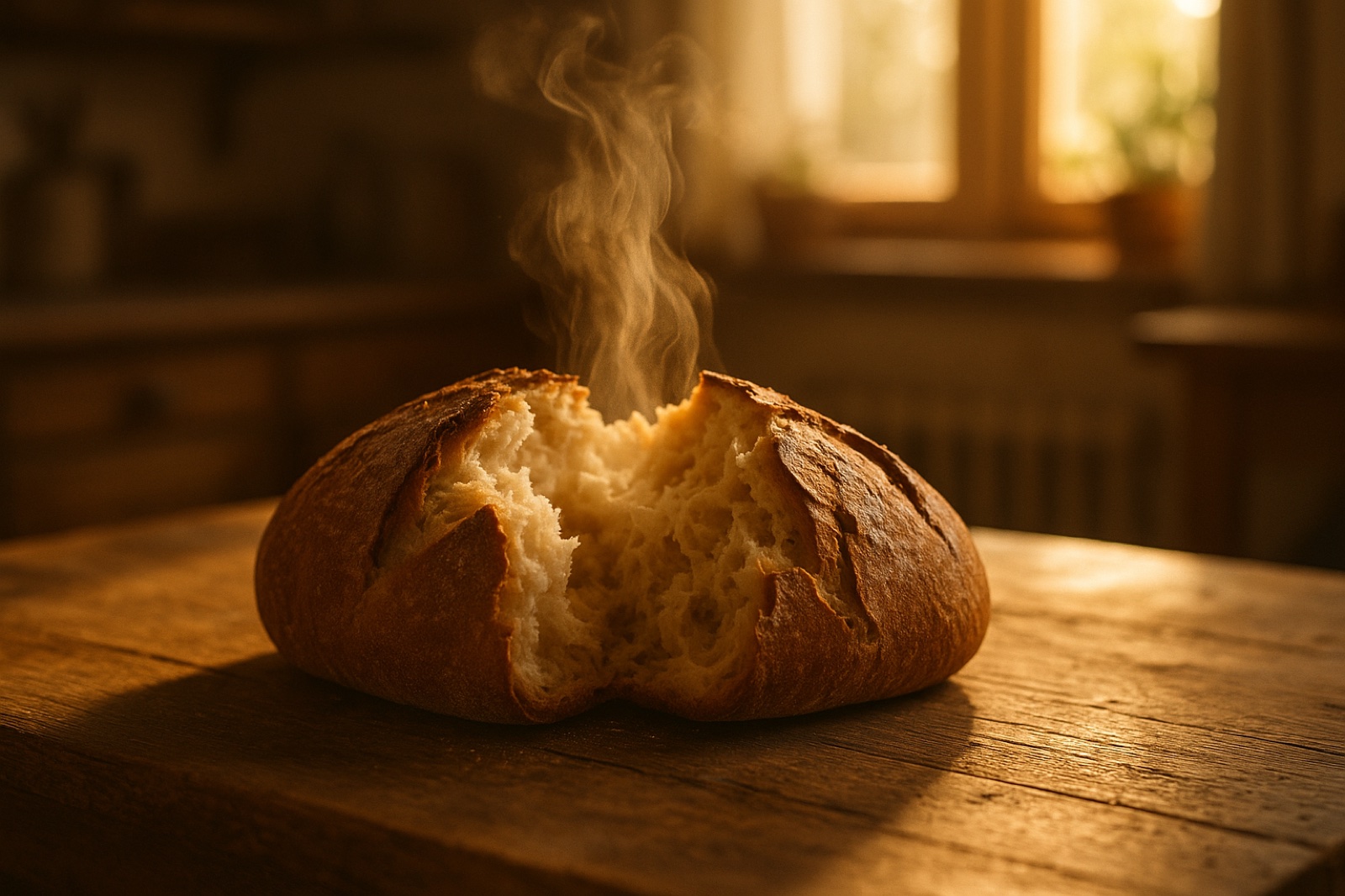
Two thousand years before “self-care Sunday” was a hashtag, a crowd of people tracked Jesus down asking a version of the same question — though they didn’t phrase it that way. The day before, Jesus had fed thousands of them from five loaves of bread and two fish. By the next morning, they’d found him again, hungry for more of the same.
Jesus’ response is almost blunt: “Ye seek me, not because ye saw the miracles, but because ye did eat of the loaves, and were filled” (John 6:26). In other words — you’re not actually here for me. You’re here because I fed you, and you’re hungry again. That’s a strange thing to say to your own supporters, until you hear what he says next.
“Labour not for the meat which perisheth, but for that meat which endureth unto everlasting life” (John 6:27). When the crowd pressed him to explain exactly what that meant, Jesus answered in one line — plainly, no parable to decode: “I am the bread of life: he that cometh to me shall never hunger; and he that believeth on me shall never thirst” (John 6:35).
It’s worth sitting with how direct that is. Not “I can help with that.” Not “here’s a five-step plan.” I am the thing you’re actually hungry for. The crowd wanted another meal. Jesus told them the meal was never going to be what filled them — because it wasn’t food they were actually starving for.
Why an Ancient Answer Actually Fits a Modern Ache
Here’s the detail that changes how the story lands: the crowd Jesus was talking to had already eaten. Twelve baskets of leftovers fed, stomachs full — and they were still chasing him down the very next day. That’s not a story about hunger for food. That’s a story about people who were physically satisfied and still empty, which is exactly the shape of the “why do I feel empty inside” search today. It was never really about food, or sleep, or a better morning routine. It’s a hunger those things were never built to reach.
That reframes the whole question. The emptiness so many people feel isn’t proof something is broken in them, and it isn’t a discipline problem waiting on a better habit tracker. It’s closer to a compass — pointing at a hunger that was built into people on purpose, aimed at something that was never going to be a routine, a purchase, or a scroll.
It’s the same hunger underneath what shows up when a full inbox and a busy group chat still leave someone feeling unseen, and it’s close cousin to that specific, nameless unease that hits for no obvious reason at all. Different symptoms. Same underlying question: what is this actually for?
(One honest note: if the emptiness is constant, heavy, and doesn’t lift — that can also be a sign of clinical depression, which is worth bringing to a doctor or counselor alongside anything spiritual. The two aren’t mutually exclusive, and getting real medical support isn’t a lack of faith.)
What To Actually Do With That Ache Tonight
Knowing the verse doesn’t automatically change the 11pm moment when the ache shows up again. Here’s where it actually becomes something you can use, starting tonight — easiest first:
- Name it out loud, once, before you reach for the usual thing. Next time that hollow feeling shows up, say “I am the bread of life” out loud — not as a magic phrase, but because naming what you’re actually hungry for interrupts the automatic reach for the phone, the snack, the show.
- Take the free two-minute “How Close Am I to God?” check-in. Not a verdict — just an honest snapshot of where the hunger actually points right now.
- Write down the last three things you reached for during that feeling (phone, food, a show, shopping). Circle whichever one helped the least. That’s usually the clearest evidence of which hunger you were actually trying to feed.
A Prayer for the Empty Moments
God, I don’t always know what I’m hungry for. Some nights it just feels empty, and I fill the space with whatever’s closest. Thank you for saying it plainly — that you’re the one thing that actually satisfies. Help me reach for you first tonight, before the scroll, before the snack, before I talk myself into believing it’s nothing. I don’t want to keep being full and still starving.
Discussion Question
Think about the last time that specific empty feeling showed up. What did you reach for first? Tell us in the comments — you might be surprised how many other people reach for the exact same thing.
Share This
- “Why do I feel empty inside” is one of the most-searched questions in America. Jesus answered it in one sentence, 2,000 years before self-help tried.
- The crowd that asked Jesus for more bread had literally just eaten. Full stomachs, still empty. Sounds familiar.
- “I am the bread of life” isn’t just a Sunday school line. It’s the actual answer to a question millions of people google at 1am. bgodinspired.com
Questions People Are Asking
Why do I feel empty inside even when my life looks fine?
Feeling empty despite a stable, “good on paper” life is common, and it usually isn’t a sign something is broken. It often points to a deeper kind of hunger — for meaning, connection, or purpose — that comfort, achievement, and routine were never designed to satisfy on their own.
What does the Bible say about feeling empty inside?
In John 6:35, Jesus tells a crowd who had just eaten and were still seeking him out, “I am the bread of life: he that cometh to me shall never hunger; and he that believeth on me shall never thirst.” The passage directly addresses a hunger that physical satisfaction can’t reach.
What does “bread of life” mean in John 6:35?
“Bread of life” is Jesus describing himself as the true source of lasting satisfaction, in contrast to physical bread, which fills you temporarily and leaves you hungry again. It follows a moment where a crowd Jesus had just fed came looking for another meal the next day.
Is feeling empty a sign of depression, or something spiritual?
It can be either, and sometimes both at once. Persistent, heavy emptiness that doesn’t lift is worth discussing with a doctor or counselor, since it can be a sign of clinical depression. Many people also describe a distinct, quieter kind of spiritual emptiness even when they aren’t depressed — a sense that something is missing that achievement or comfort doesn’t fix.
How do I stop feeling empty inside?
There’s no instant fix, but a helpful first step is naming what you’re actually hungry for in the moment the feeling shows up, rather than automatically reaching for a distraction. Many people also find it helps to pair practical self-care (sleep, connection, professional support if needed) with spiritual practices like prayer or quiet reflection, since the ache often has more than one layer.