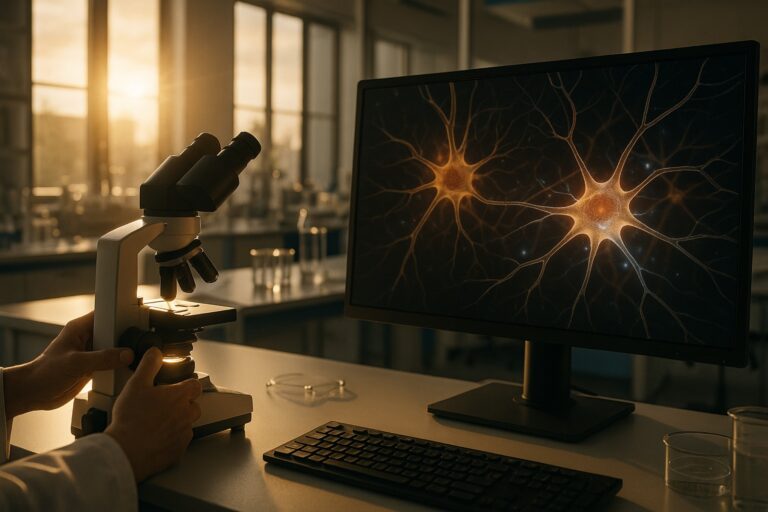

A new Alzheimer’s discovery reveals a hidden enzyme behind brain cell death — and an experimental compound already blocking it, tested so far only in mice.
 0
0
 0
0
COVID Reactivates Dormant Viruses in Your Body
A new study found severe COVID reactivates dormant viruses like Epstein-Barr hiding in your body for years — and what actually triggers it might surprise you.
 0
0
0
0
Sailors on the USS Abraham Lincoln Are Burning Out at Sea
Sailors on the USS Abraham Lincoln are reporting burnout and low morale after an extended deployment. Here’s what military burnout really looks like — and what it’s pointing to.
 0
0
0
0
Sheep’s Wool Just Became a Bone-Healing Breakthrough
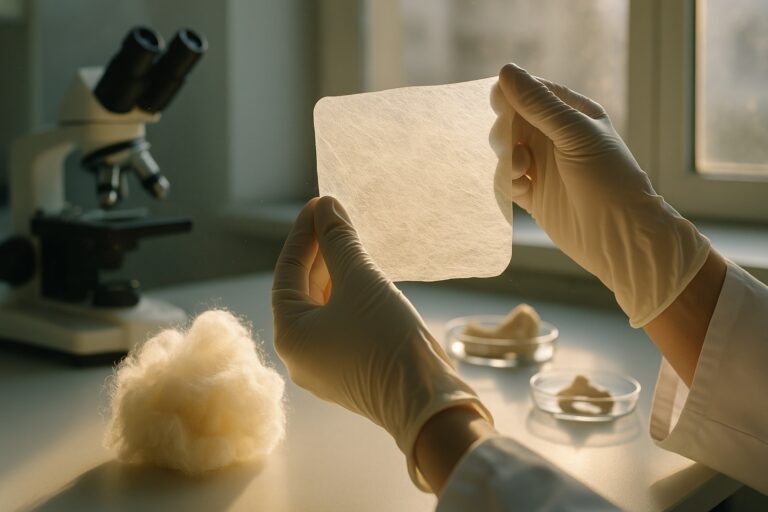
Scientists in London turned sheep’s wool, a farming byproduct nobody wants, into a scaffold that regrows bone better than today’s standard. Here’s how.
 0
0
0
0
A New Cancer Blood Test Catches It Before You Feel Sick
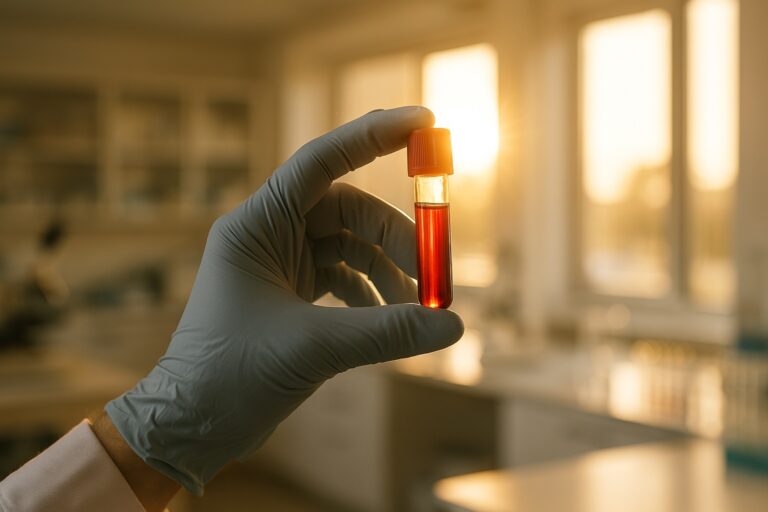
A new $20 blood test can flag liver, lung, ovarian, and stomach cancer before symptoms ever show up — and there is old wisdom behind acting on a warning.
 0
0
0
0
Scientists Found the Exact Brain Rhythm That Makes Parkinson’s Treatment Work
Scientists just found the exact 20-35Hz brain rhythm that makes deep brain stimulation work for Parkinson’s — real order hidden inside a disease of chaos.
 0
0
0
0
Why Your Brain’s ‘Stop Eating’ Signal Gets Overridden
Scientists just found the exact brain signal meant to tell you you’re full – and why constant food abundance overrides it. Here’s what the discovery means.
 0
0
0
0
Scientists Found a 72-Hour Window That Could Clear HIV From a Newborn Before It Ever Takes Hold
A new study found a 72-hour window that could clear HIV from a newborn before it becomes permanent — researchers say they weren’t expecting it to work at all.
 0
0
0
0
New Sleep Patch Boosts REM Sleep by 43 Minutes — No Pills, No Surgery
Scientists built a wearable patch that adds 43 minutes of REM sleep using gentle ultrasound and no pills. Here’s what it quietly reveals about real rest.
 0
0
0
0
A New Chewing Gum Just Cut HPV by 93% in the Lab — Here’s What Scientists Actually Found
A new chewing gum cut HPV levels by up to 93 percent in a lab study using real cancer patient samples, researchers say. Here is what they actually found.