 0
0
 0
0
Tragedy in Lebanon: The Human Cost of Conflict and Hunger
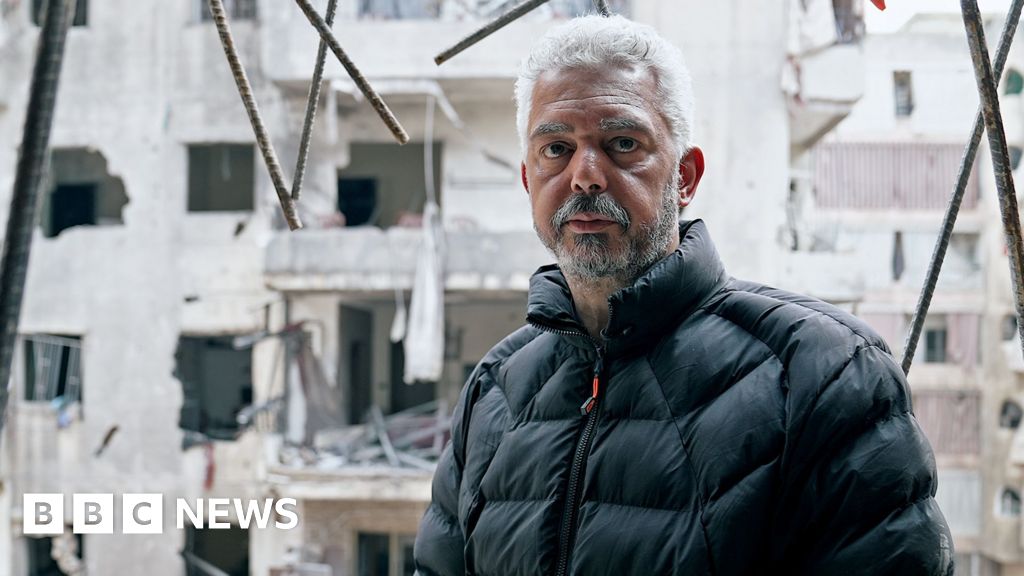
Lebanon is currently grappling with an unprecedented humanitarian crisis, where reports indicate that over 1.2 million people are expected to face acute hunger. This alarming statistic comes amidst devastating accounts of loss from military conflict, exemplified by the heart-wrenching story of a mother mourning the loss of her son in a recent bombing. She poignantly shared, “Nothing will bring back my son,” highlighting the profound personal consequences of the violence ravaging the region.
Lives Shattered by Violence
The recent airstrikes that lasted mere minutes have left long-lasting scars on families. In one case, a mother’s plea encapsulates the despair many feel in Lebanon: the suddenness of violence can obliterate lives in moments, but the grief and repercussions linger for an eternity. This tragedy not only devastates families but further deepens the existing humanitarian crises, as resources become more scarce in the wake of such loss.
The Hunger Crisis
In response to the escalating food insecurity, a UN-backed report sheds light on the dire situation facing nearly half of Lebanon’s population. With worsening living conditions and economic instability, many find themselves on the brink of starvation. This hunger crisis is eroding the resilience of families just trying to survive.
Voices of Displacement
Moreover, numerous individuals displaced by conflicts report that their experiences cannot merely be quantified by numbers. As emphasized by various humanitarian organizations, the emotional and psychological toll of displacement adds another layer to the ongoing crisis in Lebanon. The complexity of these human experiences tells a story of perseverance amidst suffering, rooted in a deep sense of community and shared struggle.
The Role of Humanitarian Efforts
Despite the bleak atmosphere, UN peacekeepers remain on the ground, albeit facing immense challenges in delivering humanitarian aid. While their efforts are commendable, the need for increased support remains critical as voices call for the international community to respond more vigorously to the plight facing Lebanon.
A Reflection on Hope
In the midst of struggle, one can reflect on biblical principles that emphasize compassion and solidarity. As highlighted in Matthew 25:35-36, Jesus teaches, “For I was hungry and you gave me something to eat, I was thirsty and you gave me something to drink, I was a stranger and you invited me in.” This principle encourages individuals and nations alike to reach out and support those in dire need, reminding us that we are all interconnected through shared humanity.
A Call to Action
As the world watches Lebanon navigate through this tumultuous time, it’s crucial for both individual and collective action to emerge. By fostering a spirit of generosity and empathy, we can contribute to alleviating the suffering around us.
Let us take a moment to reflect on the broader spiritual lesson: in times of despair, we are called not only to bear witness to suffering but also to extend our hands to lift others up. As you think about Lebanon and its people, consider how you can embody compassion in your own community—helping to heal broken lives and nurturing hope in a world longing for kindness.
If you want to want to know more about this topic, check out BGodInspired.com or check out specific products/content we’ve created to answer the question at BGodInspired Solutions
If positive Biblical wisdom matters to you, I’d love your support of the mission
Q&A about
How can faith help someone cope with the loss of a loved one due to violence?
God’s word reminds us that even in our deepest sorrows, He is close to the brokenhearted (Psalm 34:18). Jesus showed us His compassion through His own grief over lost lives, such as when He wept at Lazarus’ tomb (John 11:35). Trusting in God’s presence can bring comfort and hope amidst unimaginable pain.
What does the Bible say about the impact of violence on families?
The Bible emphasizes the sanctity of life and the devastating effects of sin, including violence. In Matthew 5:9, Jesus calls us to be peacemakers, suggesting that God desires harmony rather than conflict. For families affected by violence, leaning into community and faith can create a support network that promotes healing.
How can I support someone who has experienced loss due to conflict?
Scripture encourages us to bear one another’s burdens (Galatians 6:2), highlighting the importance of walking alongside those in pain. Practical ways to offer support can include providing a listening ear or helping with day-to-day tasks, embodying Christ’s love and compassion during their darkest times.
What does the Bible say about hope after tragedy?
The New Testament assures us that God is a God of hope, as expressed in Romans 15:13. Even after the deep pain of loss, believers can find solace in the promise that God can bring beauty from ashes (Isaiah 61:3). This hope can inspire us to remember those lost while also finding strength to move forward in faith.