 0
0
 0
0
NATO Summit in Ankara Sees Multi-Billion Dollar Defense Deals
NATO member countries are solidifying their commitment to collective defense as they unveil significant multi-billion dollar defense agreements during the ongoing summit in Ankara, Turkey. This development was highlighted by NATO Secretary General Mark Rutte, who emphasized that these investments not only enhance security but also stimulate economic growth and create hundreds of thousands of new jobs.
At the summit’s defense industry forum, Rutte remarked, “These are billions that are invested in our security, boosting our economies and supporting hundreds of thousands of new jobs. It’s money well spent.” Such substantial investments reflect a robust response to evolving global security threats.
Among the key initiatives announced, NATO plans to procure five high-end uncrewed aerial vehicles from Northrop Grumman. Additionally, the alliance has earmarked an impressive $40 billion for enhancing counter-drone capabilities over the next five years. This initiative is accompanied by a commitment to train five times as many drone operators by the end of 2027, reinforcing the significant role drones play in modern conflict.
The evolving nature of warfare is echoed in NATO’s assertion that “drones have fundamentally altered the character of modern warfare and become a decisive factor on the battlefield.” This acknowledgement underlines the alliance’s proactive approach in bolstering its readiness and resilience.
In a noteworthy stride towards modernization, NATO also announced plans to replace its aging fleet of E3 surveillance planes with up to ten GlobalEye aircraft from the Swedish company SAAB. This partnership, which involves components from the US and Canada, has been hailed by Swedish Prime Minister Ulf Kristerson as “a moment of great pride for Sweden.”
As Rutte highlighted NATO’s achievements in increasing defense spending among member countries, the summit stands as a reminder of the importance of collaboration and preparedness in safeguarding peace and security. A spirit of unity resonates, underscoring a critical biblical principle: “Where there is no counsel, the people fall; but in the multitude of counselors there is safety” (Proverbs 11:14).
As nations invest in their defense capabilities, it invites reflection on our own responsibility to support and uplift one another in our communities. It serves as a poignant reminder that true strength lies not only in military might but also in acts of love and service.
Let us take these developments as an encouragement that, as we face challenges together, whether on a global scale or within our local spheres, collaboration grounded in love can yield security, growth, and hope. How might we extend this principle of unity and mutual support into our everyday interactions?
If you want to want to know more about this topic, check out BGodInspired.com or check out specific products/content we’ve created to answer the question at BGodInspired Solutions
If positive Biblical wisdom matters to you, I’d love your support of the mission
Q&A about
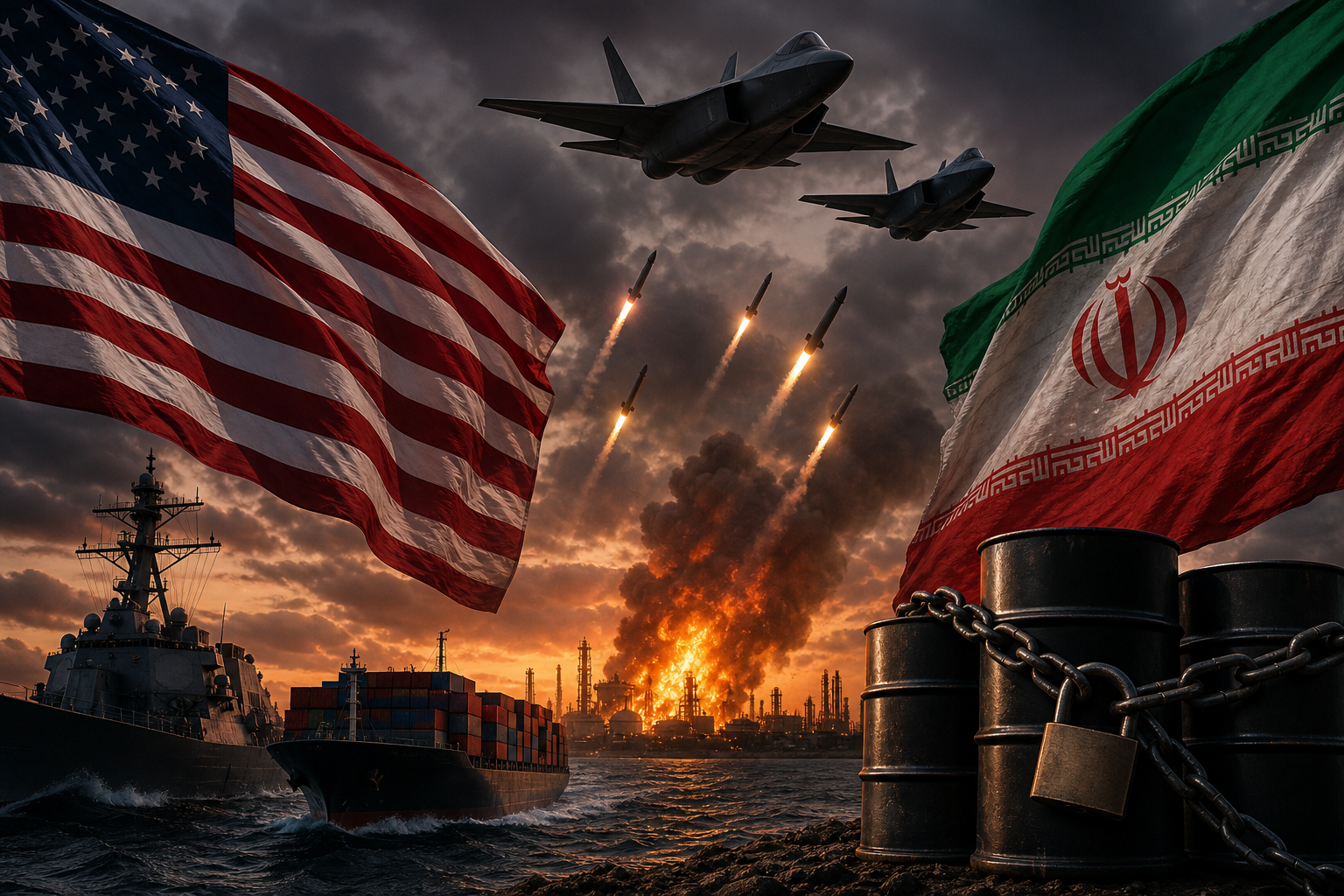
Should we be worried about US strikes on Iran according to the Bible?
God calls us to trust in Him amidst turmoil, as Philippians 4:6-7 encourages us to be anxious for nothing but to bring our concerns to Him in prayer. While political events can be unsettling, our faith assures us that ultimately, God is in control and will bring about justice.
How should Christians respond to the reimposition of sanctions on Iran?
Responding with love and compassion is crucial, as Jesus teaches us to love our neighbors (Mark 12:31). Sanctions may be seen as a political measure, but Christians should also pray for peace and seek opportunities to support those who may suffer due to the repercussions of such actions.
What does the Bible say about conflict with other nations?
The Bible reminds us to strive for peace, as stated in Matthew 5:9: "Blessed are the peacemakers." While there may be times when conflicts arise, our calling as Christians is to advocate for reconciliation and understanding, reflecting Christ’s love even in challenging circumstances.
Is it okay to support military actions from a Christian perspective?
This is a complex issue, but Romans 13:4 indicates that governments are instituted to maintain justice and order. Christians can support actions that aim to protect innocent lives and promote justice, but it’s vital to approach such topics with prayer, seeking God’s wisdom on how to best align our actions with His will.