 0
0
 0
0
U.S. Department of Commerce Addresses AI Chip Export Loophole
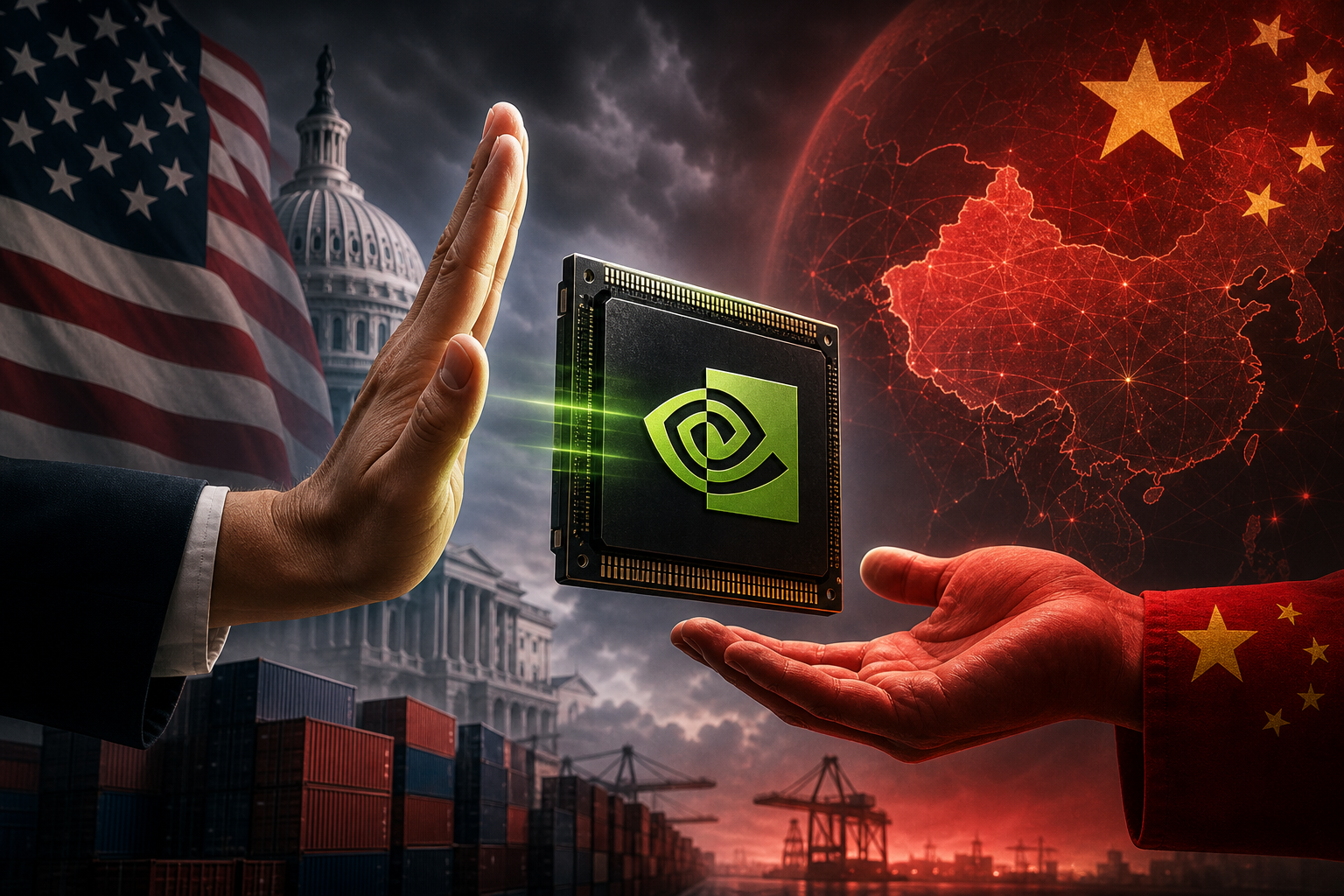
The U.S. Department of Commerce has taken decisive action to address potential loopholes in export regulations regarding advanced artificial intelligence (AI) chips. This announcement, made on a recent Sunday, comes in light of concerns that high-performance chips—specifically Nvidia’s Rubin and Blackwell processors and AMD’s MI350x—were being exported to Chinese affiliates based outside of China, potentially undermining U.S. efforts to restrict advanced AI technology from reaching adversarial markets.
The unexpected guidance hints that, for nearly a year, advanced semiconductors may have flowed to overseas subsidiaries of Chinese companies, such as those in Malaysia. The implications of this are significant, considering the broader context of U.S.-China relations and the ongoing competition in AI development. An industry insider estimated that exports could number in the hundreds of thousands, evidencing a gap in regulatory enforcement that the Trump administration had inadvertently left open.
Commerce Secretary Gina Raimondo’s announcement re-establishes the requirement for a license to export these chips to entities headquartered in China, regardless of their physical location. As technological advancements continue to reshape the competitive landscape, experts assert that these regulatory updates are not merely procedural but critical in safeguarding national interests.
Chris McGuire, a technology expert, illuminates the gravity of the matter, emphasizing that this loophole facilitated unlicensed acquisitions of high-performance chips by Chinese firms. “This is a HUGE problem,” he stated, underscoring the urgency of the changes instituted by the Commerce Department. Despite this, the guidance does not mandate that current data centers halt their use of the chips or cease operations related to advanced computing.
In reflecting on these events, one might consider the biblical principle of stewardship. The conscientious use of resources and the ethical implications of our technological advancements align with the teachings of Jesus, who emphasized the importance of using our gifts for the greater good (Matthew 25:14-30).
As we navigate the complexities of technology and international relations, it serves as a reminder of our collective responsibility to use innovation wisely and ethically, fostering peace rather than conflict.
Encouraging Takeaway
As we observe the intersection of technology and morality, let us remember the words of Proverbs 11:1: "The Lord detests dishonest scales, but accurate weights find favor with Him." Reflect on how we can ensure transparency and integrity in our actions, embracing the opportunity to create a more just and equitable world through our decisions. How might your everyday choices reflect these principles of stewardship and honesty in your personal and professional life?
If you want to want to know more about this topic, check out BGodInspired.com or check out specific products/content we’ve created to answer the question at BGodInspired Solutions
If positive Biblical wisdom matters to you, I’d love your support of the mission
Q&A about
How should Christians view the U.S. decision to halt Nvidia AI chip shipments to China?
The decision can prompt reflection on our responsibility to uphold justice and righteousness, as emphasized in Micah 6:8, where we are called to act justly, love mercy, and walk humbly with our God. In making choices that promote peace and protect freedoms, we align ourselves with God’s will for a just society.
Is there a biblical principle that relates to technological advancements like AI?
Absolutely! The Bible teaches us to be wise stewards of the gifts and knowledge we’ve been given, as seen in Proverbs 4:7, which states that wisdom is the principal thing. As Christians, we should strive to ensure that technology serves to uplift humanity rather than potentially harm it.
How does this situation reflect on our duties as Christians in the world?
In John 17:15-16, Jesus prayed for His followers to be kept safe from the evil one while still being in the world. This situation reminds us that we must engage thoughtfully in worldly matters while firmly trusting in Christ. Our actions should reflect His light and truth, indicating our commitment to ethical standards and compassion.
What can we learn about international relations from a biblical perspective?
The Bible encourages us to pursue peace and reconciliation, as seen in Romans 12:18, which instructs us to live at peace with everyone as much as it depends on us. This highlights the importance of fostering healthy international relationships while standing firm in our principles, advocating for unity and justice in a complex world.