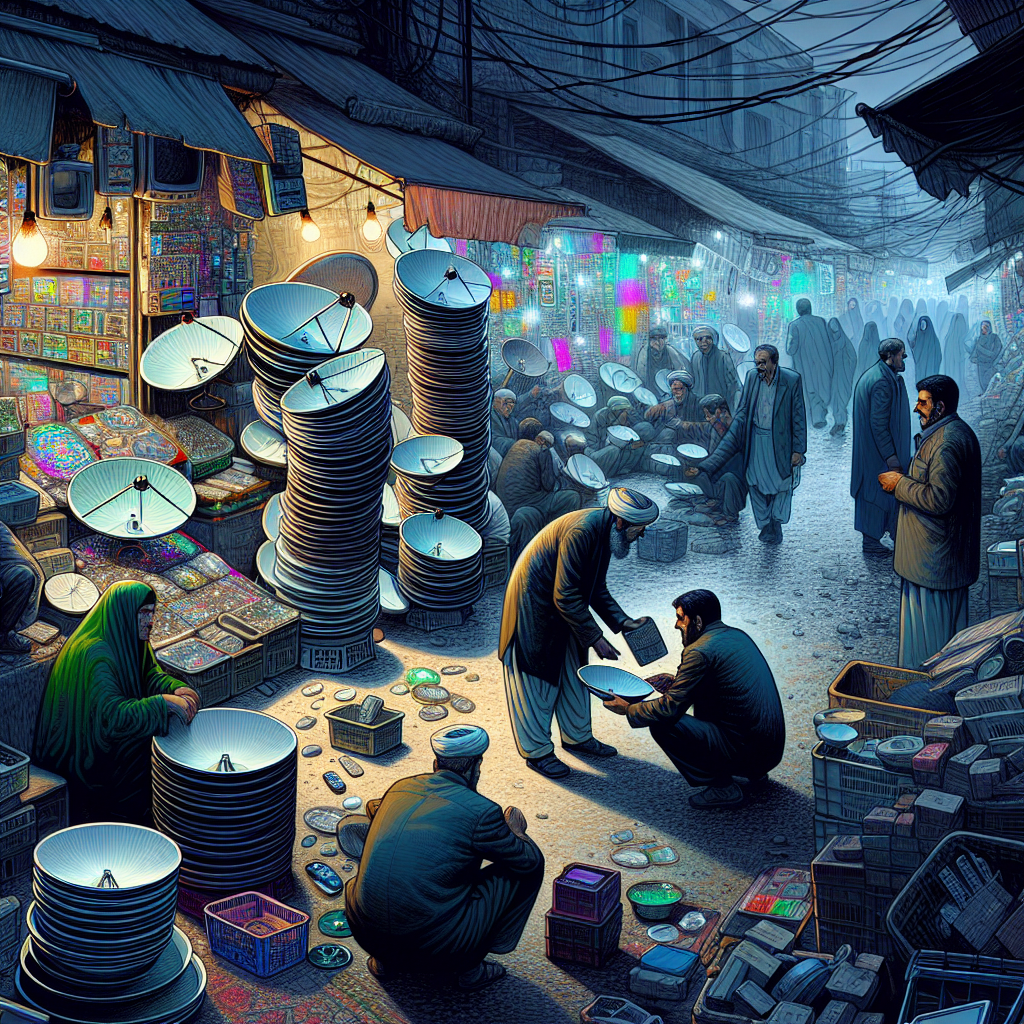
Smuggling Freedom: How Starlink is Connecting Iranians to Uncensored Internet
By Cyrus Farivar, Forbes Staff
In a pivotal moment for the people of Iran, the underground market for SpaceX’s Starlink satellite internet service has flourished, connecting thousands to the outside world amid one of the most repressive regimes globally. Just two years after the U.S. greenlighted the service, it has become a vital lifeline for those seeking freedom of expression and access to information.
Mohammad, a 38-year-old construction consultant in southern Iran, epitomizes the lengths individuals are going to reclaim their digital freedom. Recently, he met with a clandestine seller, exchanging $700 for a Starlink terminal that could provide him with uncensored internet access. “It’s like a thirsty person in the middle of a desert who suddenly finds a well. At first, they can’t believe it’s real,” shared an anonymous activist who has been instrumental in connecting users with this technology.
With the Iranian government imposing severe restrictions on internet access—including blocking popular platforms like Instagram, Telegram, and Slack—many have turned to the black market for a chance at unfiltered communication. Estimates indicate that up to 20,000 Iranians now have access to high-speed satellite internet, representing a grassroots effort to break through the regime’s digital iron curtain.
However, this remarkable surge comes at a steep price. The costs associated with acquiring and maintaining a Starlink terminal can reach up to $2,000, far beyond the average monthly Iranian salary of approximately $250. For many, owning such technology symbolizes both privilege and a courageous stance against oppression. “Mass adoption of Starlink in Iran could be the technological revolution we’ve been waiting for in our fight against the regime’s digital oppression,” posits Ahmad Ahmadian, an activist who believes that this technology can reshape the landscape of free speech in Iran.
The urgency for such connections can be traced back to recent civil unrest, notably following the tragic death of Mahsa Amini, a young woman whose demise sparked widespread protests against systemic violence and repression. As the Iranian regime has repeatedly resorted to shutting down the internet to silence dissent, the introduction of Starlink has become more than just a means of communication; it has emerged as a beacon of hope.
In considering the profound implications of this development, a biblically inspired perspective on freedom and communication resonates deeply. Throughout history, the Scriptures advocate for the pursuit of truth and the opportunity for individuals to express themselves. In John 8:32, we are reminded, “And you will know the truth, and the truth will set you free.” This verse encapsulates the essence of access to information and the necessity of open communication in fostering a just and free society.
Mohammad, cognizant of the risks associated with his newfound connectivity, uses his Starlink terminal cautiously, reflecting both a desire for privacy and an earnest pursuit of knowledge. Like many others, he views the opportunity to connect with international clients and engage with the world as an essential part of his professional life.
The initiative to bring Starlink into the hands of everyday Iranians has not merely rested on individual courage; it has been bolstered by organized activism and community cooperation. Groups like NasNet have emerged as resources, offering guidance on navigating technical challenges and ensuring secure installations. This collaborative spirit unveils a powerful narrative of resilience and hope amid adversity.
As the situation in Iran unfolds, it draws attention to the broader implications of technology in the fight for human rights. The efforts of those willing to risk everything for the sake of connection remind us of a fundamental biblical principle: to love our neighbors and advocate for justice.
Encouraging Takeaway:
Reflecting on the courage displayed by so many in Iran invites us to ponder our role in supporting freedom and justice in our communities. How can we harness our voices and resources to uplift those in need? Let us remember the call to action in Micah 6:8: “What does the Lord require of you but to do justice, and to love kindness, and to walk humbly with your God.” May we find ways to bring light and connection, whether in our personal realms or on a global stage, fostering a more just and compassionate world.
Explore and dig up answers yourself with our BGodInspired Bible Tools! Be careful – each interaction is like a new treasure hunt… you can get lost for hours 🙂