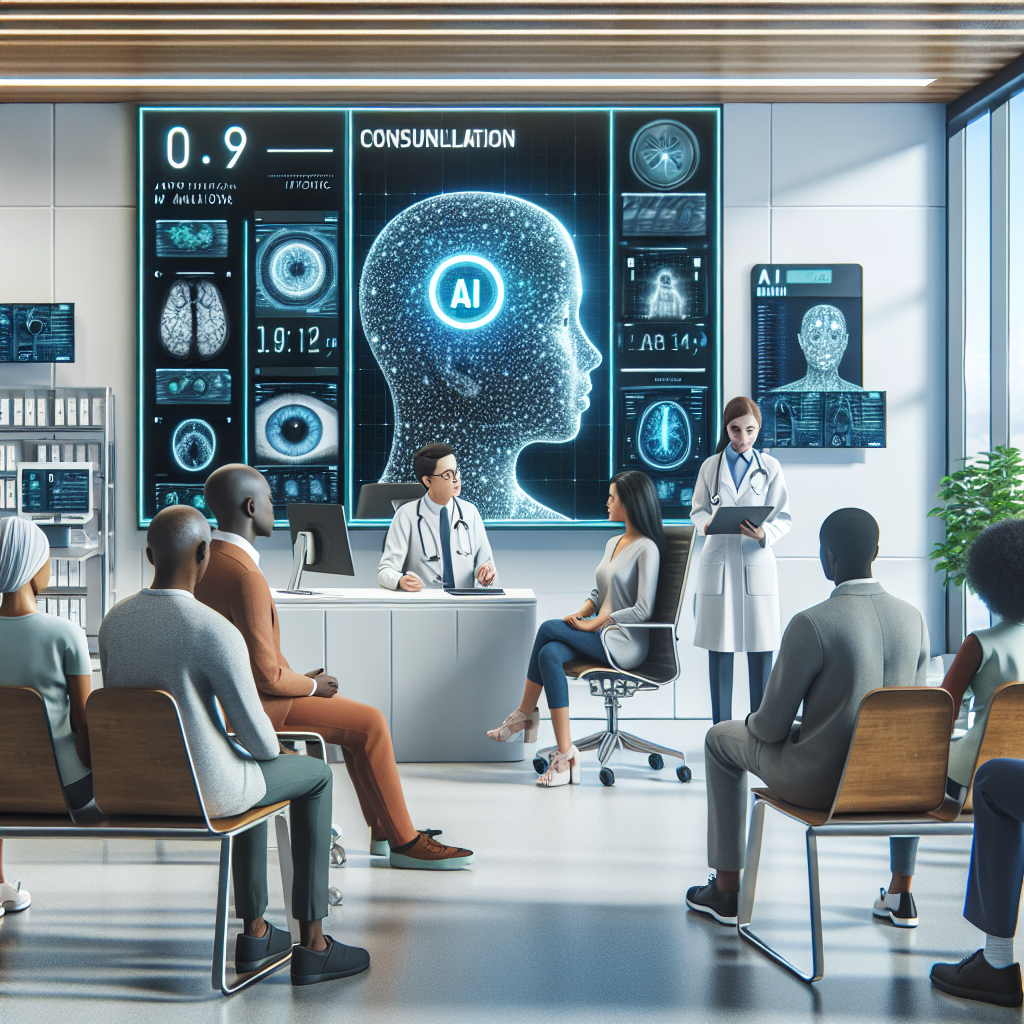
Should You Trust an AI-Assisted Doctor? The Future of Healthcare Is Here
In an age where technology pervades every aspect of our lives, a bold question arises: should we trust artificial intelligence to guide our healthcare decisions? As a growing number of AI systems assert their roles in diagnosing and treating medical conditions, both patients and healthcare providers grapple with the implications of these advancements. Reports this week from various sources highlight pivotal discussions and discoveries in the AI healthcare landscape that may reshape the doctor-patient relationship.
A recent visit to an AI-assisted medical clinic presented a fascinating glimpse into this evolving paradigm. As detailed in a column by The Washington Post, patients may now interact with AI systems that help streamline diagnoses, suggest treatments, and even communicate findings with human doctors. The experience raises significant inquiries about the reliability and emotional intelligence of machines versus the empathetic care of human beings.
Meanwhile, Psychology Today emphasizes the pressing necessity for healthcare professionals to embrace AI technology, arguing that those who resist risk being left behind in an era increasingly defined by digital innovation. As medical AI continues to advance, it holds the potential to elevate the accuracy and efficiency of patient care.
Further highlighting this potential, New Scientist explores whether AI is finally ready to replace human doctors. As AI tools become more sophisticated, they demonstrate the capacity to analyze complex patient data swiftly, possibly creating a future where diagnoses could be more accurate than those made by human doctors.
Recent studies have bolstered this narrative, with research from THE DECODER revealing that OpenAI’s new diagnostic model outperforms doctors in challenging medical cases. With such evidence emerging, the dialogue around AI in healthcare is not merely theoretical; it provokes a profound consideration of trust in technology when our health is on the line.
However, an essential aspect of this debate involves examining the underlying values at play. While human doctors rely on their intuition, experience, and emotional connections to their patients—qualities that are integral to holistic healthcare—AI operates on data-driven logic. In Christian thought, this intersection invites reflection on the biblical principle of stewardship. As expressed in Proverbs 4:7, “The beginning of wisdom is this: Get wisdom. Though it cost all you have, get understanding.”
A greater understanding of AI’s capabilities could be deemed as a form of stewardship of the resources we have available. AI can augment human capabilities, presenting an opportunity to enhance decision-making and improve health outcomes for many.
Still, the challenge remains: how do we blend these cutting-edge tools with the compassion and vigilance that characterize good healthcare? This path is not without its difficulties, as reliance on technology can sometimes overshadow the personal touch that is crucial in medicine.
An encouraging takeaway for readers is that as we navigate this complex relationship between AI and healthcare, we can embrace both innovative technologies and the values of empathy taught by Jesus. By doing so, we can aspire to build healthcare systems that respect and uplift the dignity of every individual, creating a holistic approach to health that honors both wisdom and compassion.
As these developments unfold, we are invited to reflect on the broader spiritual lesson of balancing innovation with our inherent humanity, ensuring we remain accountable caretakers of both technology and the lives we lead.
Explore and dig up answers yourself with our BGodInspired Bible Tools! Be careful – each interaction is like a new treasure hunt… you can get lost for hours 🙂