 0
0
 0
0
Title: Unleashing Creativity Through AI: The Rise of "Vibecoding" for Non-Coders
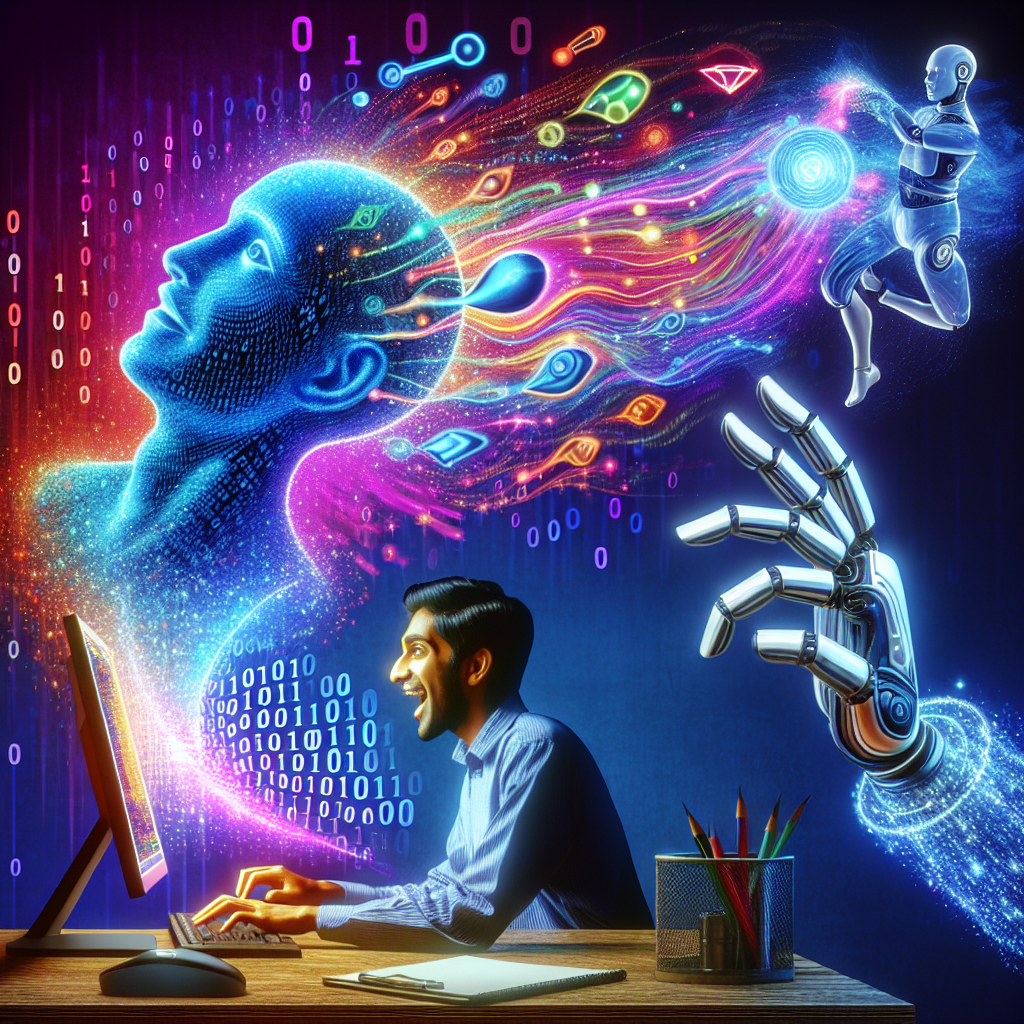
In a surprising turn of events, a journalist who openly admits to being unskilled in traditional programming languages such as Python, JavaScript, or C++ has found herself at the forefront of a tech wave—creating functional software applications purely through artificial intelligence. This phenomenon, known as “vibecoding,” empowers individuals with no coding experience to build bespoke tech solutions for everyday challenges.
For the past several months, this journalist has crafted a range of helpful tools—from a podcast transcription and summarization tool, to a website that calculates whether furniture can fit in a car’s trunk. Other creations include a searchable database for social media bookmarks and an app named LunchBox Buddy that assists in planning nutritious school lunches based on refrigerator inventory.
At its core, vibecoding reflects a significant shift in technology accessibility. Pioneered by AI researcher Andrej Karpathy, this concept minimalizes the barriers typically associated with coding. “It’s not really coding,” Karpathy stated recently. “I just see stuff, say stuff, run stuff, and copy-paste stuff, and it mostly works.” This accessible framework allows individuals to channel their creativity and life experiences into meaningful software tools—a phenomenon increasingly possible in our digital age.
What’s particularly fascinating about vibecoding is that it emphasizes the ability to create tailored solutions, or what the journalist dubs “software for one.” Unlike mainstream technology developed by large corporations, these personalized apps cater to unique needs and address specific dilemmas life poses. They resonate with a deeper understanding of problem-solving, echoing the sentiment of individuality and purpose that many find in their faith.
The act of creating tools that serve personal needs aligns with biblical principles of stewardship and service. Just as Jesus taught to be good stewards of our gifts (Matthew 25:14-30), vibecoding illustrates how one can take the resources available—such as AI—and use them to enhance everyday life. In his parables, Jesus encouraged individuals to recognize their abilities and imagine how they can use these gifts to serve others, even in unexpected ways.
In a world driven by rapid technological advancements, vibecoding serves as a timely reminder that simplicity can yield innovation. Creating meaningful applications without traditional coding skills reinforces the idea that all can contribute to the collective good by using the talents they have.
As we navigate the complexities of modern life, let us reflect on 1 Peter 4:10, which states, “As each has received a gift, use it to serve one another, as good stewards of God’s varied grace.” This encourages us to not only embrace our unique gifts but to seek ways to use them for the benefit of ourselves and others.
In closing, the emergence of vibecoding invites us to think about how we can harness technology—regardless of our backgrounds—to create solutions that improve lives. Amidst the noise of the tech world, let us remain curious and thoughtful, exploring how our personal experiences can translate into valuable tools. What unique solutions can you conceive, and how will you choose to serve those around you?
Explore and dig up answers yourself with our BGodInspired Bible Tools! Be careful – each interaction is like a new treasure hunt… you can get lost for hours 🙂