 0
0
 0
0
Warren Buffett Steps Down: Legacy of Growth Amidst Technological Transformation
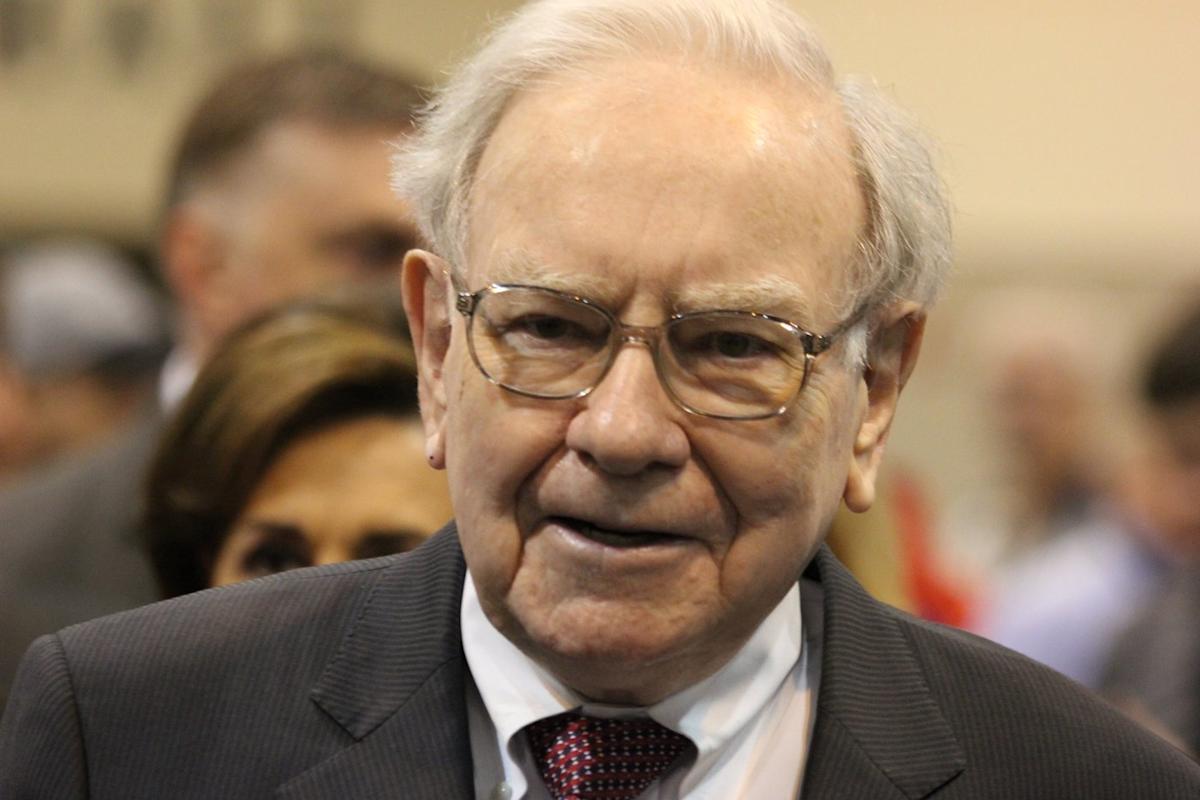
Warren Buffett, the iconic CEO of Berkshire Hathaway, has officially stepped down after a remarkable 60-year tenure that saw the company evolve into a $1 trillion powerhouse. Under his leadership from 1965 to 2025, Berkshire Hathaway produced an extraordinary compound annual return of 19.7%. To put this in perspective, an investment of $500 back in 1965 would have grown to an astonishing $24.2 million today.
As Buffett passes the torch to Greg Abel, who has been a dedicated student of Buffett’s investment philosophy, the investment community watches closely. Abel is known for following Buffett’s tried-and-true principles, focusing on stable companies with consistent growth, reliable earnings, and shareholder-oriented initiatives like dividends and stock buybacks.
The Evolution of Berkshire’s Holdings
While Buffett and Abel have refrained from following the latest stock market fads — including the recent surge of artificial intelligence (AI) — it’s noteworthy that three of Berkshire’s key holdings are actively utilizing AI to bolster their businesses. These companies now make up over one-third of Berkshire’s expansive portfolio, totaling $330 billion.
1. Alphabet Inc.: 6.8% of Portfolio
Alphabet, the parent company of Google, has adapted to AI advancements by enhancing its search engine capabilities. Despite initial fears that AI chatbots would overshadow traditional search engines, Alphabet has turned AI into an asset. Features like AI Overviews and AI Mode have contributed to a 19% increase in Google Search revenue, building a strong case for its adaptation in a changing landscape.
2. Coca-Cola: 9.9% of Portfolio
Coca-Cola is not just about beverages; it exemplifies how AI can be employed for operational efficiency and customer engagement. By harnessing AI technology to analyze consumer data, Coca-Cola has innovated product offerings, while a $1.1 billion partnership with Microsoft is expected to enhance its logistics and marketing strategies. Buffett’s initial investment in Coca-Cola remains one of his most profitable, showing the power of patience and prudent decision-making.
3. Apple Inc.: 20.7% of Portfolio
Berkshire’s largest position, Apple, has integrated its own AI applications into its flagship products, positioning itself as a significant player in the AI space. While Buffett trimmed Berkshire’s stake in Apple, the tech giant’s potential growth remains tremendous, with AI becoming a major factor in consumer technology.
Reflecting on Stewardship and Faith
In this evolving landscape, it is essential to recognize how these corporate strategies can resonate with biblical principles. Just as Buffett and Abel have embraced the foundations of steady growth and wise stewardship, individuals can reflect upon their own decisions — in investments, actions, and relationships.
In Luke 16:10, it is stated, “Whoever can be trusted with very little can also be trusted with much.” This verse serves as a reminder that diligent management of resources, be they financial or otherwise, is a principle that echoes through both business and personal spheres.
Takeaway
As we witness the transition of leadership at Berkshire Hathaway, let us be inspired by the virtues of patience, wisdom, and the mindful use of resources reflected in both Buffett’s tenure and Abel’s vision. In our own journeys, may we strive to embody these principles, keeping our eyes set on meaningful and enduring returns — not just in wealth, but also in personal growth and community impact.
In the spirit of continuous learning and growth, let this transformation invite you to reflect on how you can apply these principles to your life, investments, and relationships.
If you want to want to know more about this topic, check out BGodInspired.com or check out specific products/content we’ve created to answer the question at BGodInspired Solutions
If positive Biblical wisdom matters to you, I’d love your support of the mission
Q&A about
Why is Berkshire Hathaway investing so much in AI stocks?
Berkshire Hathaway’s investment in AI stocks shows the company’s focus on innovation and future growth, much like the parable of the talents where God encourages us to use our resources wisely. By investing in technologies that can advance society, they’re not just seeking profit, but also playing a role in stewarding what they’ve been given.
Are there any moral or ethical concerns with investing in AI?
Investing in AI raises questions about ethics and human dignity, reminding us of Jesus’ teachings about loving our neighbors. We should approach technology with caution, ensuring it serves humanity positively, aligning with the command to care for our brothers and sisters as we navigate this rapidly changing landscape.
How can I personally support or align with AI developments in a Christian way?
You can support AI by advocating for ethical guidelines and promoting applications that reflect Christian values, such as compassion and justice. As Paul writes in Philippians, we are called to think about what is true, noble, and praiseworthy, guiding our support of technologies that can uplift our communities.
Should I be worried about the impact of AI on jobs and society?
It’s natural to be concerned about job displacement due to AI, but we can trust in God’s provision and sovereignty. Jesus taught us not to worry about tomorrow, as God knows our needs; thus, we can focus on fostering skills and adapting to new roles that contribute positively to society, resting in the assurance of God’s care.