 0
0
 0
0
New Research Links Wheat Bread to Increased Weight Gain in Mice, Challenges Caloric Intake Assumptions
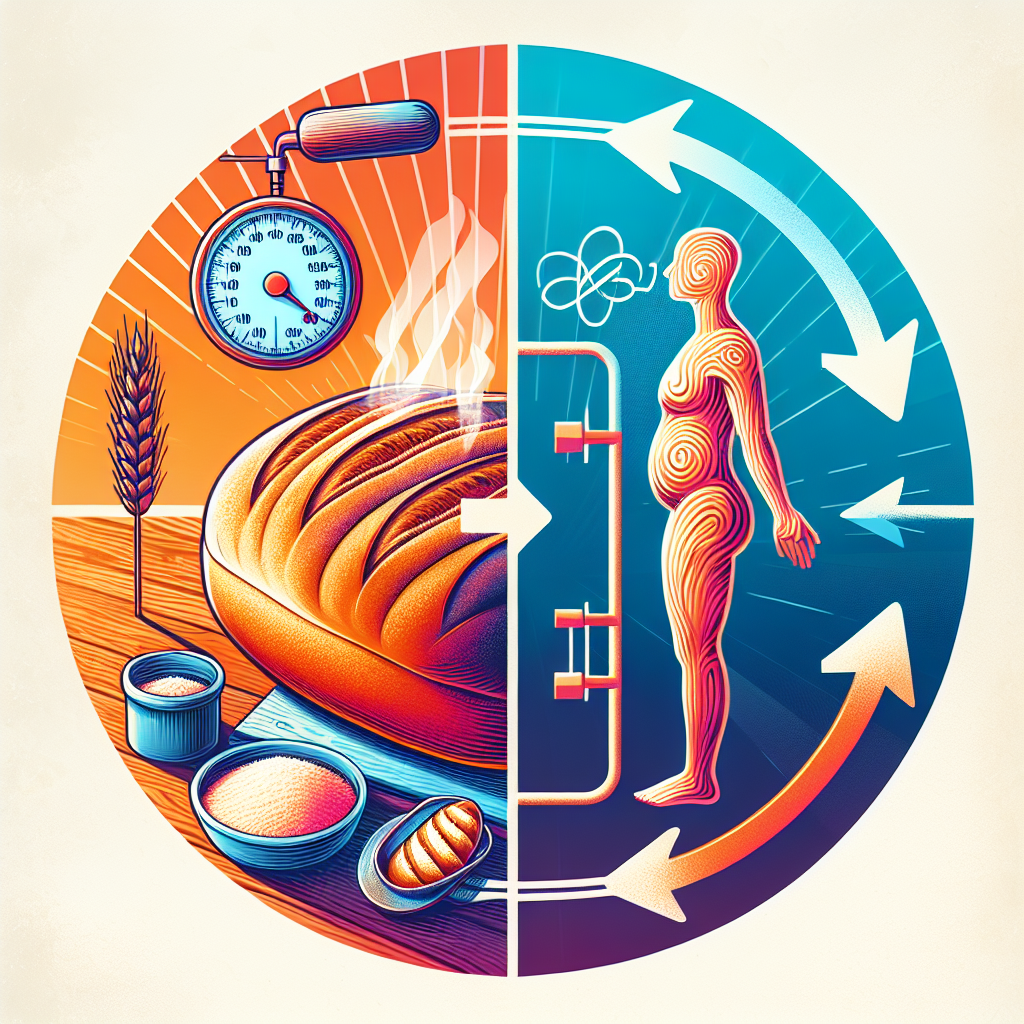
Recent findings from a study conducted by Osaka Metropolitan University in Japan reveal an unsettling truth: even when caloric intake remains constant, consuming wheat bread may lead to increased body weight and fat mass. This groundbreaking research, which involved experiments on lab mice, sheds light on the complex role carbohydrates play in weight gain, diverging from widely accepted dietary advice that primarily emphasizes excessive fat consumption.
The team of researchers discovered that a preference for carbohydrate-rich foods—and particularly wheat bread—could shift the metabolism towards a state favoring fat storage rather than energy expenditure. This revelation challenges the simplistic view that weight gain is merely a function of calories in and calories out.
"The findings suggest that weight gain may not be due to wheat-specific effects, but rather to a strong preference for carbohydrates and the associated metabolic changes," explains nutritionist Shigenobu Matsumura. The study illustrated that when given a choice between their regular diet and bread-based snacks, the rodents gravitated towards the latter, leading to significant weight gain and increased fat tissue, particularly among males.
A Shift in Metabolic Response
Through meticulous monitoring of hormone levels, blood sugar, and gene expression related to fat metabolism, researchers noted that the mice on a wheat-rich diet had reduced overall calorie burning. It appears that our bodies may respond to certain foods in ways we are not fully aware of. Notably, this phenomenon was not induced by overeating but rather the nature of the foods consumed.
This calls to mind an important biblical principle found in 1 Corinthians 6:19-20: “Do you not know that your bodies are temples of the Holy Spirit, who is in you, whom you have received from God? You are not your own; you were bought at a price. Therefore honor God with your bodies.” Just as we are called to care for our spiritual well-being, we are also invited to nurture our physical health through mindful eating choices.
Reflecting on Broader Dietary Implications
Interestingly, when the mice returned to a healthy cereal-based diet, they ceased gaining weight, and their metabolism began to recover. This observation underscores the importance of food choices in managing not just weight but overall metabolic health.
The research represents a starting point for a broader understanding of diet’s impact on metabolism, particularly as it relates to wheat and other carbohydrates. While the study was limited to mice, it invites further exploration into how these findings may translate to humans.
In a world where food often symbolizes comfort or indulgence, this research serves as a reminder to practice moderation, aligning our dietary habits with both physiological wisdom and spiritual awareness.
Takeaway for Reflection
As we consider the research on wheat bread and weight gain, let us take a moment to reflect on our own food choices. How does what we eat align with the biblical principle of honoring our bodies as temples? Let this study encourage us not only to understand the complexity of our diets but also to cultivate a deeper mindfulness about how our eating habits impact our health and well-being, both body and spirit.
If you want to want to know more about this topic, check out BGodInspired.com or check out specific products/content we’ve created to answer the question at BGodInspired Solutions