
 0
0
 0
0
NHS Urged to Swiftly Update Information Following Renaming of PCOS to PMOS
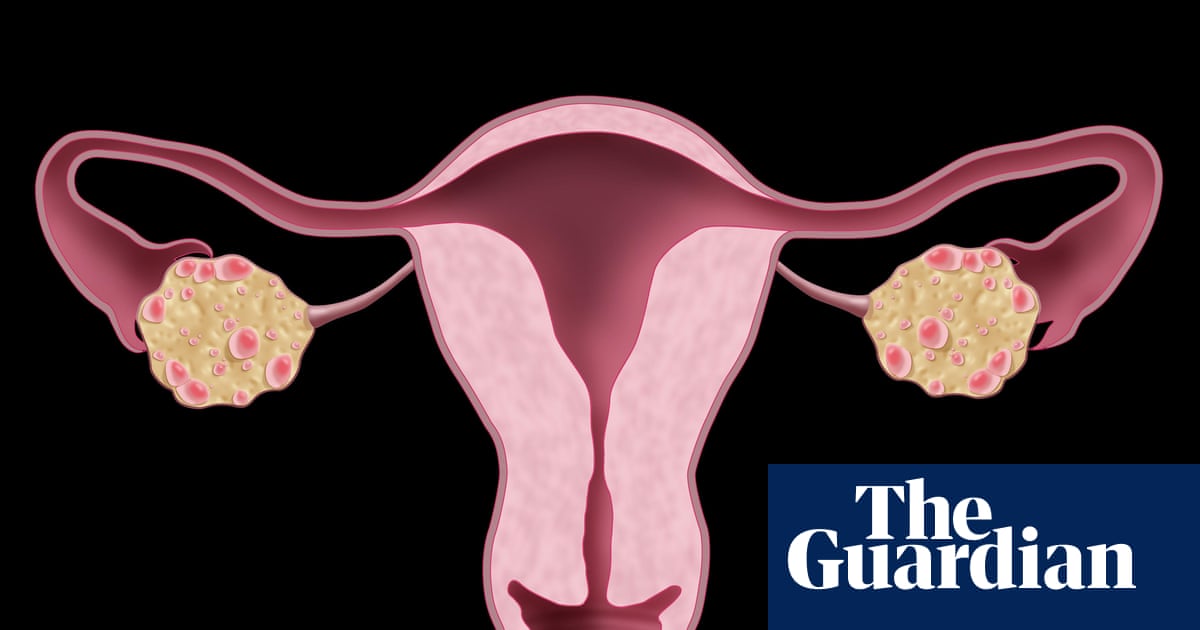
In a significant shift within women’s health, polycystic ovary syndrome (PCOS) has been officially renamed polyendocrine metabolic ovarian syndrome (PMOS) after a 14-year effort led by medical experts and grassroots charities. As approximately 1 in 8 women are affected by this condition, the need for clear communication around this change is paramount, according to Neelam Heera-Shergill, founder of the charity Cysters.
Despite the importance of this rename, the NHS website has yet to reflect the change, leading to concerns about misinformation and confusion. “Communities deserve clear, accessible and timely information so people are not left confused, excluded or struggling to access support and diagnosis," Heera-Shergill stated, emphasizing the necessity for inclusive and culturally competent resources.
However, the transition to PMOS is set to span three years, a timeline that Caroline Andrews from the charity Verity acknowledges as reasonable given recent changes within the NHS, including the recent launch of a Women’s Health Strategy for England. While she supports a careful approach, there is a sense of urgency stemming from the confusion that might arise from outdated terminology on official platforms like the NHS website.
Experts from different fields have echoed the need for rapid updates. Prof. Channa Jayasena expressed optimism about the new name, asserting that it indicates a more comprehensive understanding of the condition’s seriousness. However, he acknowledged that the medical community will need time to adjust and that not all healthcare professionals may be aware of this change yet.
Dr. Sophie Williams from the University of Derby voiced her concern over the potential confusion stemming from the overlapping terminology, stressing the critical role of the NHS website as a primary resource for reliable health information. She proposed interim solutions, such as having dual online resources for both PCOS and PMOS, to ensure that patients receive the correct and updated information.
In a response from the NHS, a spokesperson reiterated their commitment to regularly updating content and improving women’s healthcare. “We routinely review and update content on the NHS website to ensure it reflects the latest clinical advice and will carefully consider these recommendations,” the spokesperson noted.
Reflecting on this situation can draw parallels to biblical principles that emphasize the importance of clarity, transparency, and compassion in providing care—qualities that align with what Jesus taught about loving and serving others. As it is written in Proverbs 18:13, "To answer before listening—that is folly and shame." This verse reminds us of the value of taking the time to listen to those affected and providing them with clear answers.
As the healthcare discourse continues to evolve, let us encourage a spirit of understanding and patience, both in ourselves and in the institutions we look to for guidance. This situation serves as a powerful reminder of the importance of communication and clarity in all areas of life. As we approach our individual and communal challenges, may we strive to embody the love, care, and understanding demonstrated by Jesus, fostering an environment where everyone has access to the information they need to make informed decisions.
If you want to want to know more about this topic, check out BGodInspired.com or check out specific products/content we’ve created to answer the question at BGodInspired Solutions
If positive Biblical wisdom matters to you, I’d love your support of the mission
Q&A about
Why should the NHS update its website about polycystic ovary syndrome?
Updating the NHS website could help women better understand their health from a faith-informed perspective. Just as Jesus emphasized the importance of healing and knowledge, we are called to seek understanding in all areas of our lives, including health (John 8:32).
What does the Bible say about caring for women’s health issues like polycystic ovary syndrome?
The Bible encourages us to love and support one another, which includes addressing health concerns. Galatians 6:2 reminds us to bear one another’s burdens, emphasizing a community approach to women’s health issues.
How can faith help women dealing with polycystic ovary syndrome?
Faith can provide comfort and hope in challenging times. As Philippians 4:6-7 teaches us not to be anxious but to bring everything to God in prayer, women can find strength in their faith while navigating the struggles that come with health challenges.
What role does the church play in supporting those with health conditions like polycystic ovary syndrome?
The church plays a crucial role in offering support, prayer, and education about health issues. James 5:14 encourages believers to bring their concerns to the elders for prayer, highlighting the importance of community and spiritual support in times of illness.



