
 0
0
 0
0
Pharmacy Challenges: A Reflection on Supply, Faith, and Community Support
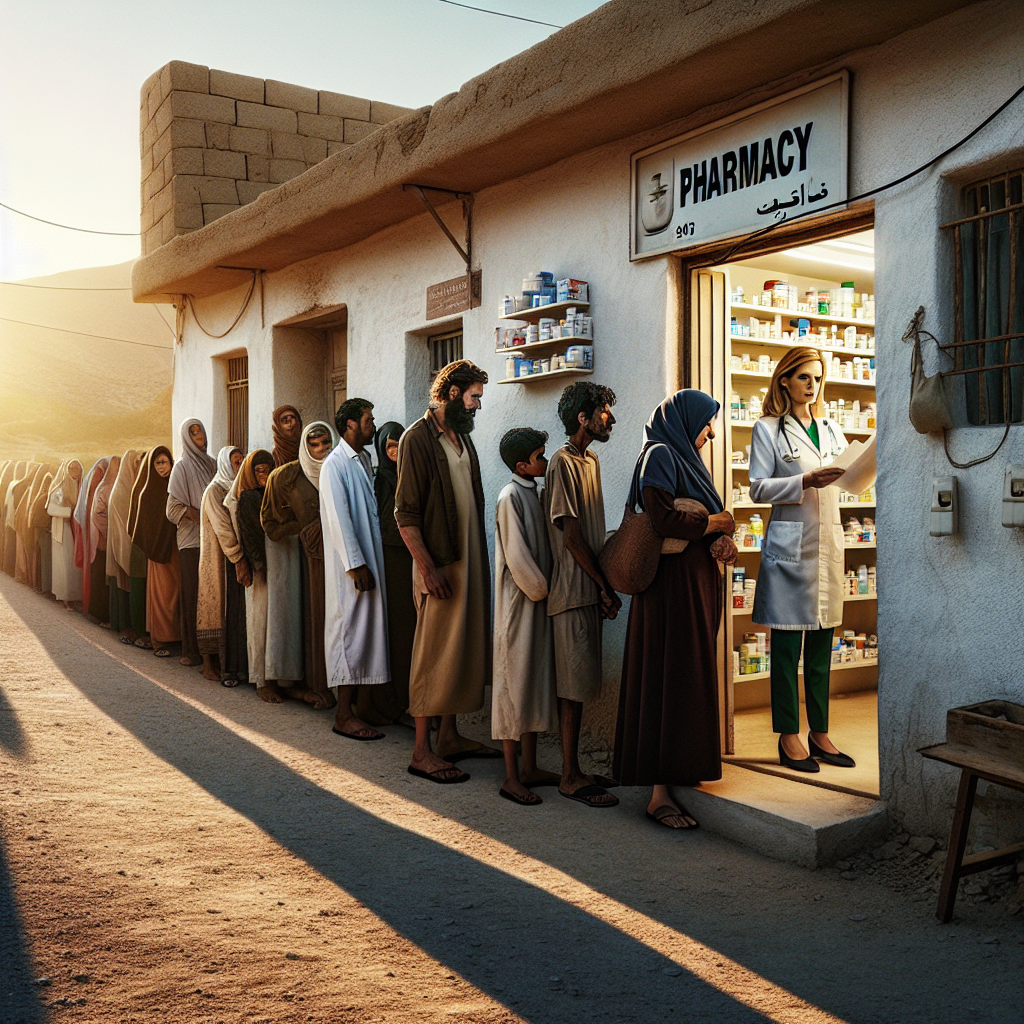
In a striking revelation, a local pharmacy manager, Shaw, outlined the growing challenges faced by pharmacies in securing essential medications. He noted, “It’s not to say that medicines disappear and we can’t get them forever, but there’s significant delays and, at any one time, there are thousands of different lines that we can’t get hold of.” This statement echoes a broader concern within the health sector about the availability of crucial resources in an increasingly complex landscape.
As Shaw elaborated, the issue is compounded by the financial strain on pharmacies that are required to pay for their products upfront. “It’s only when we get a prescription and we hand it in at the end of the month that we get paid a few months later,” he explained, revealing the tightrope pharmacies must walk between procurement and cash flow. This situation raises an important question: How can we support one another when faced with scarcity?
The rising costs of medications coupled with local prescribing habits create a "tight line between getting the money and ordering," leaving pharmacists and their patients in a precarious position. This scenario is reminiscent of the biblical principle of community support, which encourages individuals to lift one another during tough times.
In Matthew 25:35, Jesus teaches, “For I was hungry and you gave me something to eat, I was thirsty and you gave me something to drink, I was a stranger and you invited me in.” This verse underscores the essence of empathy and community engagement, prompting a collective response in times of need.
Reflecting on Shaw’s observations, it’s clear that the struggle for medicine goes beyond pharmacological availability; it speaks to the very essence of community responsibility. In a world where access to healthcare can waver, understanding and support among community members can fill in the gaps left by systemic challenges.
As the demand for medications continues to rise, it is essential for communities to come together and extend their support to local pharmacies, demonstrating compassion in action.
In conclusion, as you ponder these challenges, consider how you might contribute to the well-being of those around you. By embodying the spirit of generosity and service, we can collectively create a more resilient community, echoing the teachings of love and kindness that lie at the heart of many faith traditions.
If you want to want to know more about this topic, check out BGodInspired.com or check out specific products/content we’ve created to answer the question at BGodInspired Solutions
If positive Biblical wisdom matters to you, I’d love your support of the mission
Q&A about
Why is medicine availability in Jersey the poorest it has been for a long time?
The decline in medicine availability can be attributed to various economic and logistical challenges. From a Christian perspective, this situation reminds us of Jesus’ compassion for the needy, as He often healed the sick and marginalized, emphasizing the importance of accessibility to care for all. In Matthew 25:40, we are reminded that serving those in need is akin to serving Christ Himself, urging us to advocate for better health resources.
How can I help improve medicine access for those suffering in Jersey?
You can start by volunteering at local clinics, supporting charities focused on healthcare, or advocating for policy changes. In James 2:14-17, we learn that faith without action is dead; thus, our love and faith must translate into tangible help for those struggling in their health needs.
What does the Bible say about caring for the sick and the poor when medicine is lacking?
God calls us to be stewards of compassion and care, especially for the vulnerable. In Luke 10:33-34, the Good Samaritan exemplifies how we should act towards others in need, showing us that, irrespective of the circumstances, our response should be one of love and action.
Is there a biblical principle that encourages us to seek better healthcare options in Jersey?
Absolutely, we are called to be proactive in caring for our bodies and communities. 1 Corinthians 6:19-20 reminds us that our bodies are temples of the Holy Spirit, implying that we should seek to provide not only for our own health but also advocate for the health of others, ensuring access to necessary medical care for all.



