 0
0
 0
0
Immunotherapy Shows Promise in Treating Depression for Hard-to-Reach Patients: A Beacon of Hope
In a groundbreaking early clinical trial, researchers from the University of Bristol have unveiled the potential of immunotherapy to treat depression in patients who have not responded to conventional antidepressants. This innovative approach may herald a new chapter in mental health treatment, particularly for those grappling with persistent depression, which affects nearly one in six adults in the UK.
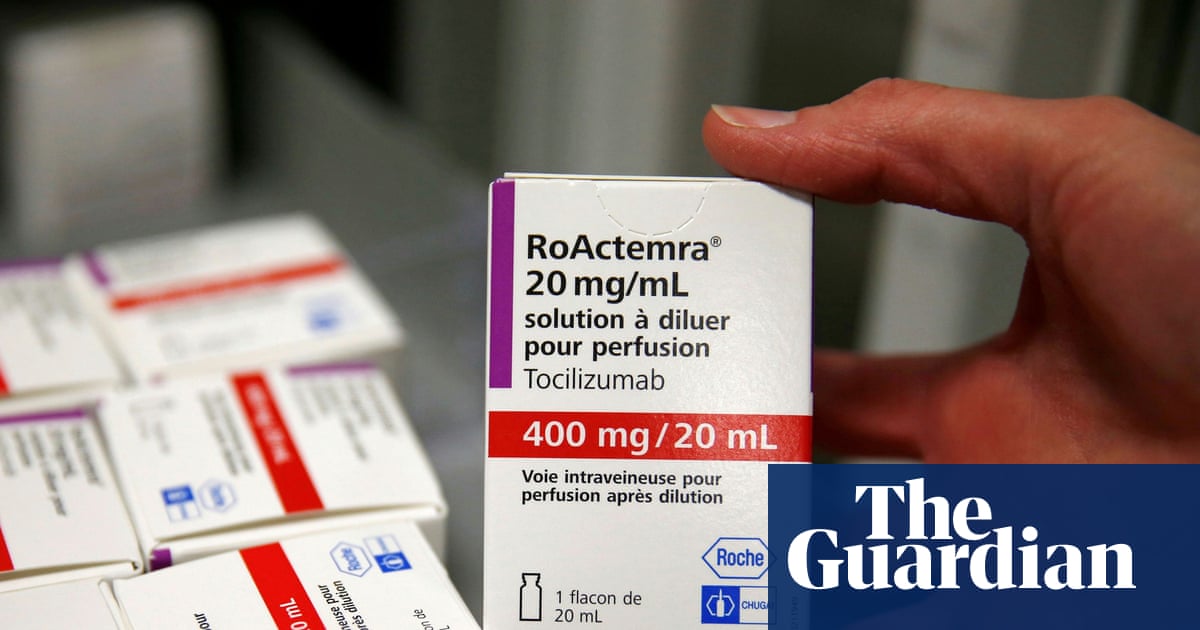
Approximately one-third of individuals battling depression find little relief from traditional medications, which primarily target chemical imbalances in the brain. The study focused on tocilizumab, an anti-inflammatory drug typically reserved for autoimmune conditions like rheumatoid arthritis. Tocilizumab works by blocking the IL-6R receptor, curbing inflammatory signals associated with various ailments.
In this trial, 30 participants suffering from moderate to severe depression—whose previous treatments had fallen short—were randomly assigned to receive either tocilizumab or a placebo over a four-week period. While the results lacked statistical significance, participants who received tocilizumab reported greater improvements in several areas, including overall depression severity, fatigue, state anxiety, and quality of life. Encouragingly, 54% of those treated with tocilizumab achieved remission, compared to only 31% in the placebo group.
Professor Golam Khandakar, senior author of the study, emphasized the importance of these findings as a potential turning point in depression treatment. “This is one of the first randomized controlled trials to test immunotherapy for depression,” he noted, highlighting the targeted approach that aims to match treatment with individual patient biology.
In our journey through the struggles of life, just as this study seeks tailored solutions for mental health, we can reflect on the biblical principles of understanding, compassion, and hope. Jesus taught us about caring for the vulnerable and seeking out those in need (Matthew 25:40): “Truly I tell you, whatever you did for one of the least of these brothers and sisters of mine, you did for me.” This quest for personalized care reflects the calling to truly see and address the unique needs of every individual.
As Dr. Éimear Foley, co-author of the study, so profoundly stated, “Our study moves us closer to more tailored depression care, where treatments are chosen to better fit a person’s biology.” This aligns with a broader spiritual lesson about the importance of tailoring our care and compassion to those around us.
In the face of advancements in treatment, let us remain hopeful and steadfast. As we navigate our own struggles or support others, we can draw encouragement from Romans 15:13: “May the God of hope fill you with all joy and peace as you trust in him.”
This ongoing exploration into the treatment of depression invites us to reflect on God’s grace and the promise of healing. While the journey may be challenging, each step forward can serve as a reminder of our interconnectedness and the power of compassion in fostering mental and emotional well-being.
If you want to want to know more about this topic, check out BGodInspired.com or check out specific products/content we’ve created to answer the question at BGodInspired Solutions
If positive Biblical wisdom matters to you, I’d love your support of the mission
Q&A about
Could immunotherapy really help with depression from a Christian perspective?
Immunotherapy shows promise as a new treatment for depression, suggesting that even in the depths of mental health struggles, God’s creation has resources for healing. James 1:17 reminds us that every good and perfect gift comes from above, which includes advancements in medicine. As we explore these options, it’s essential to maintain our trust in God’s plan for our healing.
Is it okay to seek medical treatments like immunotherapy instead of just praying for healing?
Absolutely, seeking medical help is a demonstration of faith, not a lack of it. The Good Samaritan in Luke 10 illustrates how love for our neighbor sometimes means assisting those in need through practical means, including medical care. Trusting God includes making use of the resources He provides, such as healthcare.
How can I keep my faith strong while exploring treatments for depression?
Regular prayer and Scripture reading can help ground you in your faith during this challenging time. Philippians 4:6-7 encourages us not to be anxious but to present our requests to God, allowing His peace to guard our hearts and minds. Engaging with a supportive community can also strengthen your faith as you seek healing.
What if immunotherapy doesn’t work for my depression—how can I find hope?
Even in uncertainty, we can hold onto the hope found in Romans 15:13, which reminds us that the God of hope will fill us with joy and peace as we trust in Him. Hope is more than just a feeling; it’s a belief in God’s promises and plans for our lives. Relying on God’s steadfast love can guide you through periods of doubt or frustration.