 0
0
 0
0
You’re in a room full of people you’ve known for years, and a name goes missing. Just for a second. It comes back — but not before a small, cold thought slides through: is this normal, or is this the beginning of something?
For most of us, that fear lives quietly in the background until something in the news pulls it forward. This month, something did. Researchers studying the brain’s memory center found that the cells whose entire job is to protect your neurons don’t stay loyal forever. Starting around a specific age, they begin to work against the very tissue they’re supposed to guard — and it’s one more piece in the puzzle of why Alzheimer’s risk climbs the way it does.
The Cells Whose Job Is to Protect Your Memory
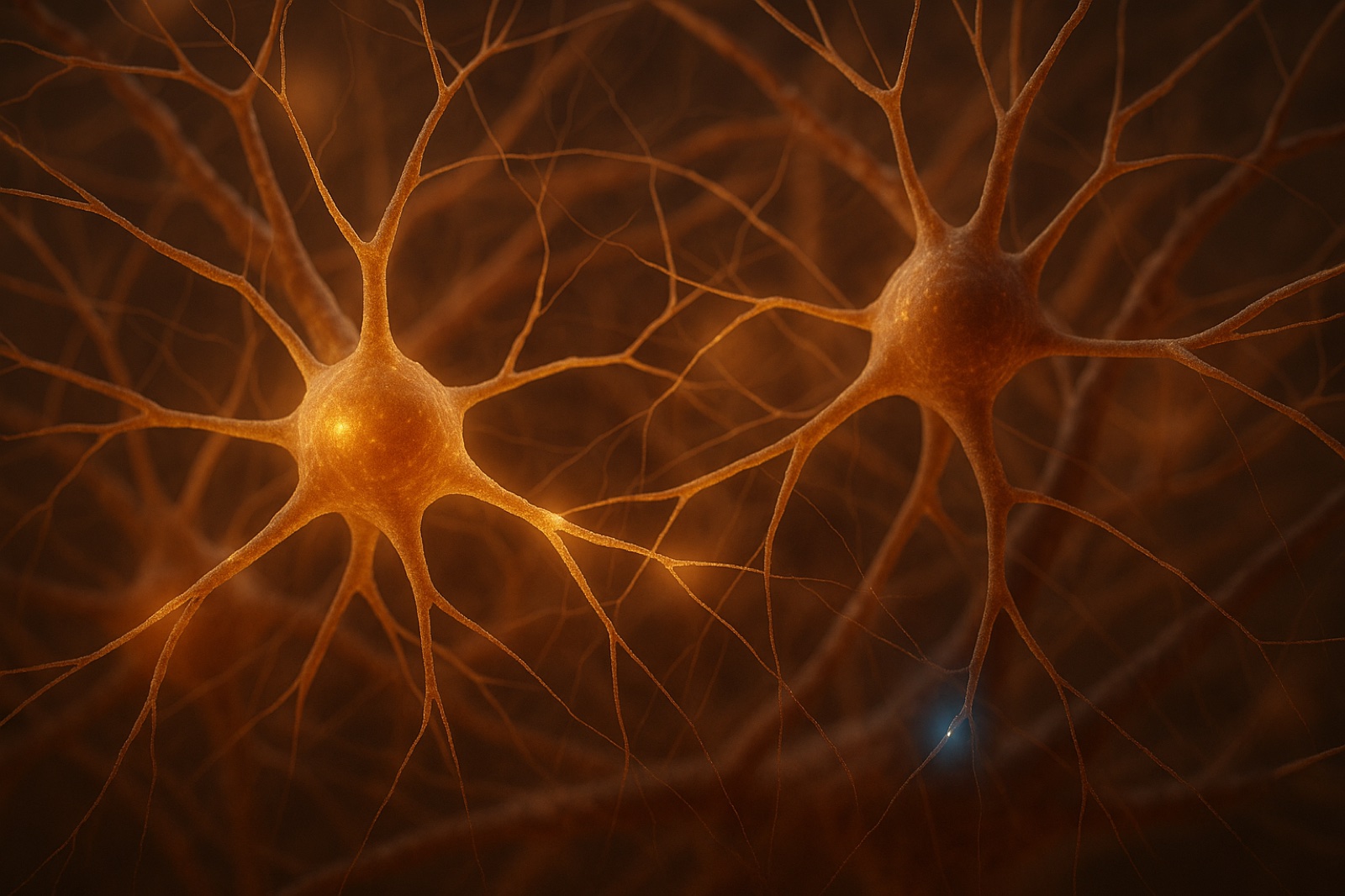
Deep in the brain’s memory center — the hippocampus — there’s a population of cells called microglia. Think of them as the brain’s resident cleanup crew and security team, all in one. They patrol the tissue, clear out cellular debris, prune connections that aren’t being used, and respond fast when something goes wrong. For most of your life, they’re quietly doing you a favor you never notice.
Microglia are supposed to be long-term residents. Many of them settle into the brain early and stay put for decades, which is part of why they’re so good at their job — they know the neighborhood. That long tenure is exactly what researchers zeroed in on.
What Happens Around Age 50
According to research reported in early August 2026, something changes in the memory center starting around age 50. The brain begins losing its long-standing microglia — the seasoned, protective ones — and replacing them with newer cells that behave differently. The new arrivals lean more inflammatory. Instead of quietly maintaining the neighborhood, they’re more prone to triggering low-grade inflammation in brain tissue that’s supposed to stay calm.
That shift matters because chronic, low-level inflammation in the brain is one of the threads researchers keep finding tangled up in Alzheimer’s disease. It’s not that one birthday flips a switch and disaster follows — brains vary enormously, and plenty of people cross 50 with sharp, stable memories for decades afterward. But the pattern gives scientists a clearer picture of when the brain’s internal security starts to turn over, and why the risk curve for memory decline tends to bend upward in exactly this window of life.
Why This Matters More Than a Scary Headline
It would be easy to read a finding like this and file it under “one more thing to be afraid of.” But researchers studying this aren’t handing down a verdict — they’re handing over a clue. Every time scientists can name a specific mechanism (these cells, this age range, this behavior change), it becomes something that can eventually be tested against, tracked, and maybe even slowed down. Vague fear about “getting older” isn’t actionable. A named cellular process is.
This finding also lines up with other recent discoveries about the brain’s immune system. Researchers have separately traced how these same immune cells disrupt sleep quality in Alzheimer’s, and other studies have shown that some brains manage to resist decline despite carrying the same physical damage as brains that don’t. The picture emerging isn’t “aging equals decline.” It’s “aging changes the terrain, and some terrain holds up better than others.”
What Actually Helps the Terrain Hold Up
None of this is fully within anyone’s control — genetics and biology play a real role. But the same inflammatory pathways implicated in this research respond, at least partly, to things people can actually do something about:
- Sleep quality, not just sleep quantity — deep sleep is when the brain does much of its own cellular cleanup, and disrupted sleep has been directly linked to worsening the same immune-cell problem described here.
- Regular movement, which lowers baseline inflammation throughout the body, brain included.
- A diet built around real, whole food — some researchers have even found that specific nutrients like vitamin C appear to protect aging brain tissue, a small but genuinely encouraging thread of evidence.
- Managing chronic stress, since prolonged stress hormones keep the body’s inflammatory systems running hotter than they need to.
None of these are guarantees. But they’re not nothing, either — and in a field where so much feels outside your hands, “not nothing” is worth taking seriously.
There’s something almost poetic in what the research is describing: the outer, physical machinery — the very cells built to protect you — wearing down and needing renewal over time. It’s an old idea dressed in new lab coats. Long before anyone had a microscope, people were already noticing that the outside of a person can wear thin while something on the inside keeps being made new, day after day, quietly, without anyone watching it happen. Science just gave that old observation a cellular name.
Living With the Truth, Not Just the Fear
You can’t stop time, and you can’t fully control which of your cells decide to retire early. What you can control is whether you spend the decades ahead bracing for decline or building the kind of life — rested, moved, fed well, tended to — that gives your brain its best possible terrain. The headline sounds like a threat. Read all the way through, it’s closer to an invitation: pay attention now, while there’s still so much runway left.
What do you think?
If science could name the exact age your body starts changing in a specific way, would you want to know — or would you rather not think about it until it becomes unavoidable? Tell us in the comments.
Share This
- Turns out the brain has its own cleanup crew — and around age 50, some of them start causing more trouble than they solve. Wild what scientists are finding about Alzheimer’s risk lately. https://bgodinspired.com/index.php/bgodinspired-news/bgodinspired-health-news/brain-immune-cells-turn-against-you-age-50/
- Not gonna lie, this one got me: the same brain cells that protect your memory for decades can start working against it right around 50. Reading about what actually helps. https://bgodinspired.com/index.php/bgodinspired-news/bgodinspired-health-news/brain-immune-cells-turn-against-you-age-50/
- “The outside wastes away, the inside gets renewed” isn’t just a nice thought — apparently your brain’s immune cells are living proof of the pattern. https://bgodinspired.com/index.php/bgodinspired-news/bgodinspired-health-news/brain-immune-cells-turn-against-you-age-50/
Common Questions
What are microglia and why do they matter for Alzheimer’s risk?
Microglia are the brain’s resident immune cells, acting as a cleanup crew and security system for neurons in the memory center. New research shows that starting around age 50, the brain loses many of its long-standing, protective microglia and replaces them with newer cells that lean more inflammatory — a shift linked to rising Alzheimer’s risk.
Does turning 50 mean my Alzheimer’s risk suddenly jumps?
No. The research describes a gradual shift in brain immune cells that begins around this age for many people, not a sudden switch. Brain health varies enormously from person to person, and many people remain sharp and stable well past 50.
Can anything be done to protect against this kind of brain inflammation?
While genetics play a role that can’t be changed, factors like quality sleep, regular physical activity, an anti-inflammatory diet rich in whole foods, and stress management have all been linked to lower chronic inflammation in the brain, which may help offset some of this risk.
Is inflammation in the brain the same as inflammation elsewhere in the body?
It’s related but distinct. Brain inflammation involves the brain’s own specialized immune cells, like microglia, reacting within brain tissue specifically. However, body-wide inflammation from poor sleep, stress, or diet can influence and worsen what happens inside the brain.
What’s the connection between this research and ideas about inner renewal?
The physical finding — that protective cells wear out and get replaced over time, sometimes for the worse — echoes a much older idea that people have carried for centuries: that even as the body ages and weakens, something on the inside can still be renewed day by day. Science and that ancient wisdom are pointing at the same basic pattern from different directions.