 0
0
 0
0
Streaming Wars: The Price of Epic Tales in the Quest for Subscribers
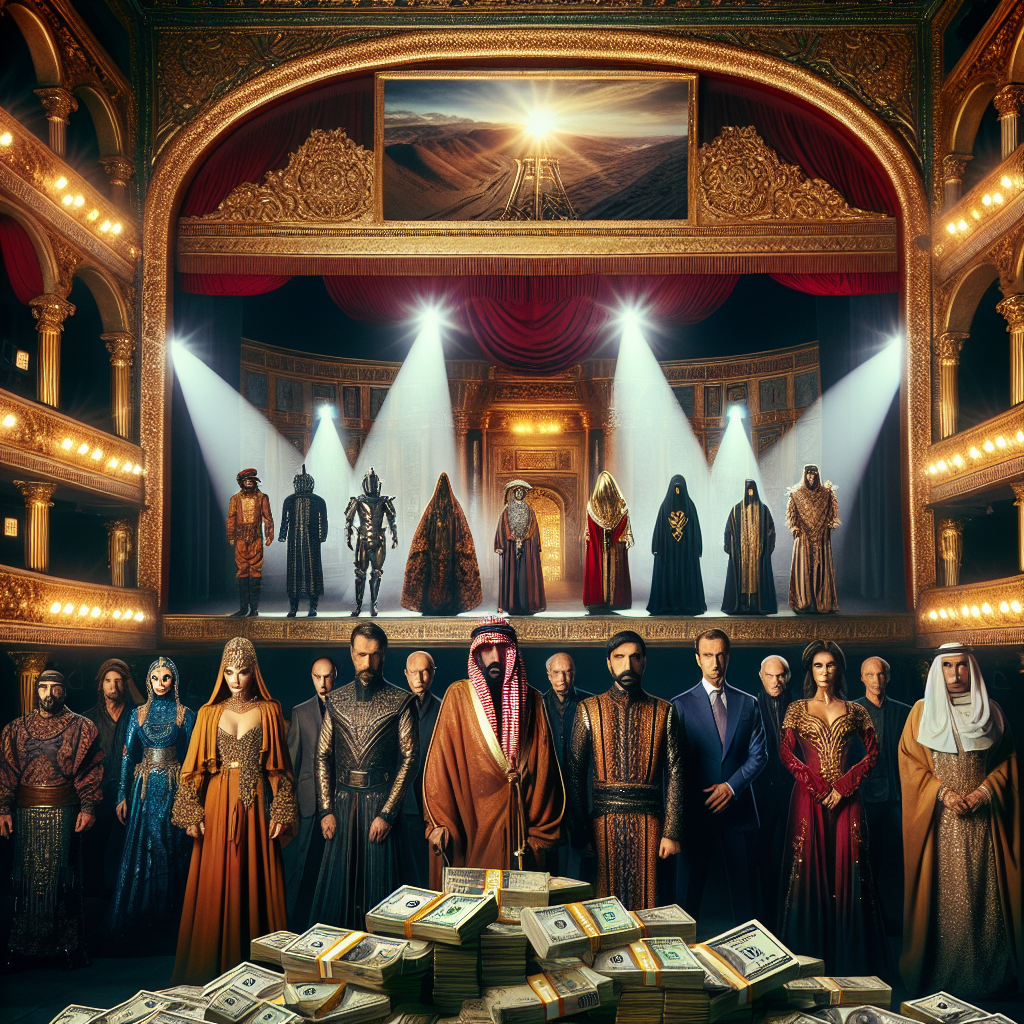
As streaming platforms continue to battle for a share of the viewer’s screen time and subscription dollars, budgets for original series have reached astonishing heights. The entertainment industry has plunged tens of billions into exclusive content, igniting an unprecedented arms race, especially in a post-pandemic world that has changed our viewing habits. In this high-stakes environment, Amazon’s ambitious adaptation of "The Lord of the Rings" has become a centerpiece of this quest, illustrating both the cost and the potential of storytelling.
When HBO introduced "Game of Thrones" in 2011, a new trend was born—one that made high-budget, tentpole productions essential for streaming services. Tentpole productions are akin to biblical parables, designed not only to entertain but also to capture the hearts and minds of viewers, ultimately drawing them into a broader experience—a concept reminiscent of our call for community and belonging in the teachings of Jesus.
Amazon, eager to make a significant impact in this competitive landscape, gambled big on "The Rings of Power." The investment was staggering: $250 million for rights, and subsequently, a whopping estimated budget of over $1 billion for the series’ five-season run. This move reveals an understanding that like the parable of the pearl of great price (Matthew 13:45-46), true treasures often require significant investment.
The show’s first season was filmed predominantly in New Zealand and reportedly racked up a production cost of $350.7 million. This immense investment is driven by the belief that high-quality storytelling can transcend the usual viewing experience and establish a deeper connection with audiences. However, the results have been mixed, as viewing figures reveal that only 37% of those who started the first season completed it, and the second season garnered even less interest.
Yet, as we reflect on the lessons drawn from this situation, it serves as a reminder that the success of stories—be they in the form of streaming series or biblical tales—often lies in their ability to connect and inspire. Much as Jesus taught in parables that reached beyond ordinary understanding, the challenge remains for creators to inspire viewers through interpersonal connections and narratives that evoke empathy and understanding.
Most interestingly, "The Rings of Power" faced backlash for its diverse casting choices, which some felt diverged from Tolkien’s original vision. This illustrates a critical lesson about the value of inclusivity and the importance of understanding differing perspectives in our shared narratives. As we navigate our own communities, we are called to embrace diversity, much like the early church described in Galatians 3:28, which celebrated unity among all individuals, regardless of their background.
In the end, while viewer engagement remains a crucial metric, we can glean that the mere spectacle of production should not overshadow the true goal of storytelling: to foster connections, inspire hope, and perhaps even remind audiences of larger truths.
As we ponder this grand narrative, let us consider how we can apply the principle of investing in deeper connections in our lives. Just as Amazon bets on the impact of its series, we too can invest in relationships that uplift and inspire.
Encouraging Takeaway
How can you engage with the stories around you—both in media and in your relationships—purposefully, fostering a spirit of unity and understanding? Take a moment to reflect on the connections you are building and the stories you are telling. After all, every narrative, whether grand like "The Rings of Power" or personal, has the potential to resonate with truths that reflect the love and inclusivity of our calling.
Explore and dig up answers yourself with our BGodInspired Bible Tools! Be careful – each interaction is like a new treasure hunt… you can get lost for hours 🙂