 0
0
 0
0
Martial Law Gamble Ends in Political Turmoil for South Korea’s Yoon Suk Yeol
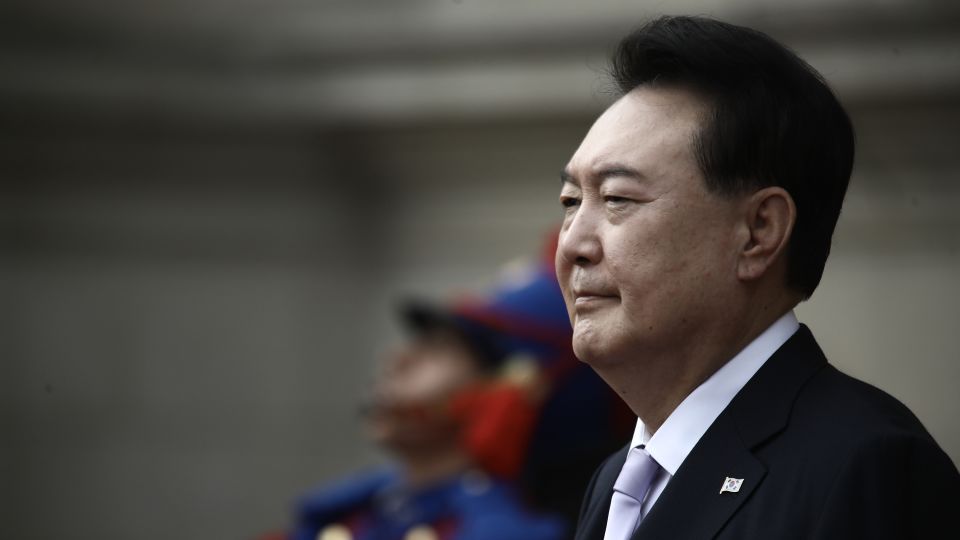
In an unprecedented move, former South Korean President Yoon Suk Yeol declared martial law in December 2024, a decision that many deemed reckless in the context of a stable and vibrant democracy. The declaration has culminated in Yoon’s recent guilty verdict from the Constitutional Court, marking a significant downturn in both his political career and the public’s trust in governance.
Friday’s court decision cast a shadow over Yoon, a former prosecutor and conservative figure, who now faces potential lifetime imprisonment linked to various criminal charges. The martial law declaration triggered chaos as military helicopters descended on the National Assembly and protests erupted, highlighting the deep divisions within the country.
In a stark display of civic resilience, South Koreans defied the decree; media continued to report freely, citizens moved about their daily lives, and lawmakers united to revoke Yoon’s actions. The subsequent return to normalcy was a testimony to the strength of democracy, as it proved resilient in the face of such threats.
As Yoon’s political downfall unfolds, his initial popularity has sharply declined, further complicated by ongoing scandals, including ones involving his wife. His approach, which he framed as a necessary counter to legislative gridlock and perceived threats from North Korea, has instead led many to view him as a dictator. "His actions in declaring martial law reflect a profound misunderstanding of the people’s will," observes political analyst Park Sung-min.
Yoon’s tenure, marked by a divisive stance and confrontations with the opposition, calls to mind the biblical principle found in the book of Proverbs: “When the righteous thrive, the people rejoice; when the wicked rule, the people groan” (Proverbs 29:2, NIV). Like rulers of the past, those in power are reminded that governance involves serving the people with integrity and fairness.
The fallout from Yoon’s regime has sparked reflection among citizens. Many express that democracy, despite facing moments of severe strain, has ultimately demostrated its robust character. As they march through the streets, embodying hopes for a brighter future, they echo the biblical call to watch over one another and seek justice.
As the situation continues to evolve, it presents an opportunity for introspection on the nature of authority and the responsibility that comes with it. In moments of turmoil, individuals are encouraged to embody values of compassion and leadership rooted in justice, seeking to uplift others rather than impose fear.
In a world often fraught with political strife and discord, we are invited to contemplate how we can promote peace and understanding in our communities. The experience of South Korea serves as a poignant reminder that the strength of any nation lies not solely in its leadership but in the collective spirit of its people.
As we reflect on these events, let us consider how we can actively participate in nurturing a dialogue rooted in love and respect, demonstrating a commitment to justice in our everyday lives. Ultimately, true leadership fosters hope, and from the ashes of upheaval, a renewed commitment to unity can emerge.
Explore and dig up answers yourself with our BGodInspired Bible Tools! Be careful – each interaction is like a new treasure hunt… you can get lost for hours 🙂