
 0
0
 0
0
CBS Halts Takedown Notices for Stephen Colbert’s Surprise Public Access Appearance Amid Criticism
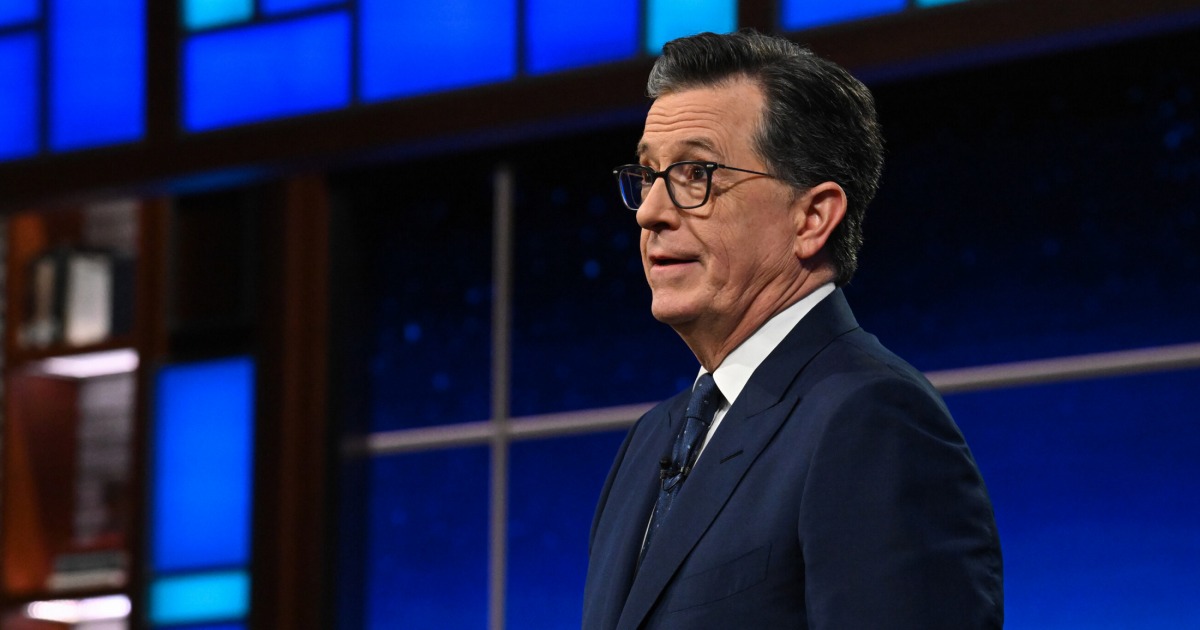
In a surprising turn of events, CBS has announced that it will cease issuing copyright takedown notices for a newly aired episode featuring Stephen Colbert on the public access show "Only in Monroe." This decision comes following backlash aimed at the network’s parent company, Paramount, after it initially enforced copyright claims against user-uploaded copies of the episode.
The episode aired just a day after Colbert’s finale on "The Late Show," which concluded its 33-year run. Colbert, a vocal critic of political norms, returned to the public access show he once appeared on in 2015, much to the delight of his fans.
As CBS typically follows industry practices by sending out copyright notices to unauthorized postings, the move to relent amid social media uproar suggests a responsiveness not often seen in corporate governance. A CBS spokesperson clarified that the episode was, in fact, a joint production with Monroe Community Media and was subsequently posted on Colbert’s YouTube channel, prompting reconsideration of their earlier stance.
There’s a thoughtful lesson here. Just as Jesus demonstrated grace and understanding in His interactions, corporations can embody similar principles by listening to the concerns of their audience and responding with kindness. In Matthew 7:12, we are reminded to "do to others what you would have them do to you." This can be a powerful guideline for businesses, encouraging them to foster more harmonious relationships with their viewers and users.
The series of events encourages us to reflect on the importance of adaptability and empathy in our dealings with others, whether in business or personal interactions. As Colbert hinted at during his farewell monologue, “Show business being what it is these days, that’s probably where you’ll see me next,” his focus on humility and connection remains a striking example of engaging authentically with one’s audience.
As we navigate changes in our own lives or workplaces, let us embody a spirit of cooperation and understanding—qualities that reflect a deeper divine wisdom behind our actions. The broader spiritual lesson here invites us to consider how we can better listen to the voices around us, engaging with grace and humility. The world truly needs more of this heartfelt connection, and it can begin with each of us, just as Jesus taught.
If you want to want to know more about this topic, check out BGodInspired.com or check out specific products/content we’ve created to answer the question at BGodInspired Solutions
If positive Biblical wisdom matters to you, I’d love your support of the mission
Q&A about
Why did CBS decide to back off from stopping the sharing of Colbert’s ‘Only in Monroe’ segment?
CBS faced backlash when some viewers felt the segment was not aligned with their values. In Matthew 7:1-2, Jesus teaches about judgment, reminding us that how we treat others can come back to us. Listening to differing opinions reflects humility and love, as taught in Philippians 2:3.
How does this backlash against Colbert’s segment reflect our divided culture today?
The division we see can remind us of Paul’s admonition in Ephesians 4:3 to make every effort to maintain the unity of the Spirit. Engaging in dialogue and seeking understanding rather than creating further division is essential in living out Christ’s command to love one another.
What should Christian audiences consider when watching secular shows like Colbert’s?
Christian audiences are called to be discerning, as highlighted in Philippians 4:8, which encourages focusing on what is true, noble, and pure. It’s important to engage with media critically and reflectively, balancing entertainment with one’s values and beliefs.
Could CBS’s decision indicate anything about the future of media representation for Christian audiences?
While media often shifts based on audience feedback, Romans 12:2 encourages us not to conform to the patterns of this world but to be transformed by renewing our minds. This transformation can drive us to support content that aligns with our values while seeking to influence the culture positively in line with our faith.



