Artist Garnett Puett Creates Unique Eco-Art Installation at Hammer Museum: A Reflection on Nature and Humanity
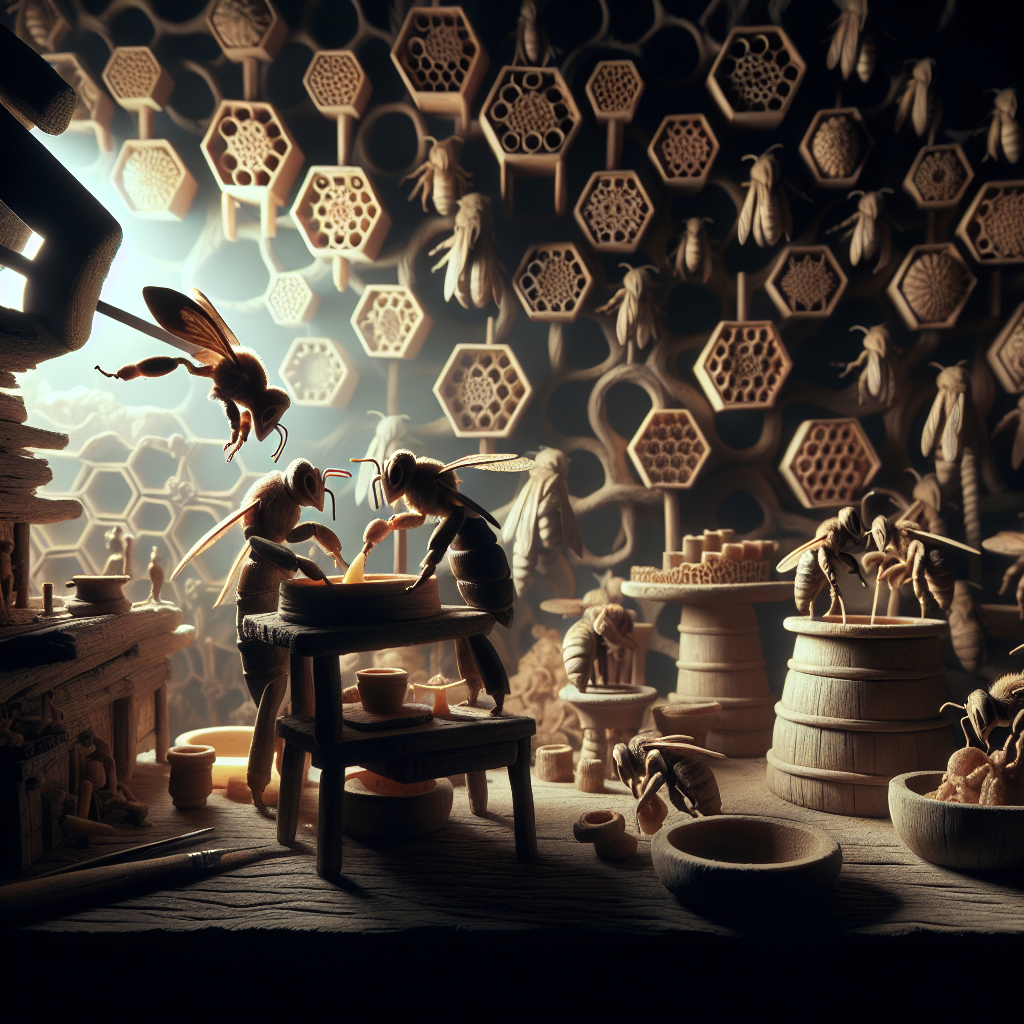
In a striking blend of art and environmental advocacy, sculptor Garnett Puett has unveiled his latest installation at the Hammer Museum in Los Angeles. Featuring life-sized wax figures surrounded by live bees, Puett’s work ignites a conversation about the ecological crisis facing bee populations worldwide, all while challenging viewers to reconsider their relationship with the natural world.
Upon entering the dimly lit room, visitors are greeted by a bold spectacle: human figures encased in a glowing glass structure, covered in swarming bees. The ethereal glow casts eerie yet fascinating shadows, prompting onlookers to momentarily suspend disbelief. "Woah," exclaims one visitor, embodying the astonishment that many feel as they take in this blend of organic life and artistic expression.
Puett, 65, has dedicated over four decades to crafting his "apisculptures" using metal, beeswax, and the very bees he seeks to protect. The installation speaks not only to the beauty and complexity of nature but also to the urgent plight of pollinators whose survival hangs in the balance due to human activity. "It’s art with a political purpose," Puett explains, highlighting the urgency of his message.
The concept of using live bees in art emerges from a deep familial heritage; Puett is a fourth-generation beekeeper. Raised in Georgia, he was taught the significance of maintaining a harmonious relationship with nature. This familial tradition is echoed in the biblical principle of stewardship—caring for creation as a reflection of our duty to nurture and protect what God has made. As stated in Genesis 1:28, "God blessed them and said to them, ‘Be fruitful and increase in number; fill the earth and subdue it. Rule over the fish in the sea and the birds in the sky and over every living creature that moves on the ground.’"
Puett’s artist journey took an unexpected turn when he embraced bees not only as subjects but as collaborators. This innovative approach, however, faced challenges, including the declining bee populations on his honey farm in Hawaii, primarily due to invasive pests. Nevertheless, his resolve to utilize art as a platform for raising consciousness about these challenges remains steadfast.
His installation is imbued with layers of meaning beyond its immediate visual impact. The wax figures represent humanity’s connection to nature, while the living bees symbolize resilience amidst adversity. “Nature is trying to bond with it and trying to erase it at the same time,” Puett reflects on the evolving sculptures, now adorned with dripping wax reminiscent of honeycomb. This interplay between permanence and impermanence echoes the biblical notion of life being transient yet significant, drawing a parallel with Ephesians 1:10, which speaks of the completion of God’s purposes in Christ.
Puett’s motivation resonates with those seeking to draw closer to their own faith. His journey and artistry urge viewers to reconsider how they interact with the world around them, fostering a deeper appreciation for creation. Rather than viewing nature solely as a resource, there’s an invitation to see it as an integral part of a greater plan.
As Puett concludes his thoughts on art and ecology, he emphasizes the importance of transforming our relationship with insects like bees: "It’s sort of subliminal advertising. Bees are OK." In reflecting on his work, we’re encouraged to consider how we, too, can foster a nurturing relationship with nature, echoing the call to stewardship present in scripture.
In light of Puett’s artistry and mission, let us find inspiration in the lessons of interconnectedness and responsibility imparted through his works. As we engage with our surroundings, may we remember the words of Proverbs 12:10, "The righteous care for the needs of their animals," reminding us that our responsibility extends to all living creatures in God’s creation. How might we, in our own lives, reflect this calling to care for and celebrate the beauty of the world around us?
Explore and dig up answers yourself with our BGodInspired Bible Tools! Be careful – each interaction is like a new treasure hunt… you can get lost for hours 🙂