 0
0
 0
0
Economists Urge Urgent Action on AI’s Economic Impact
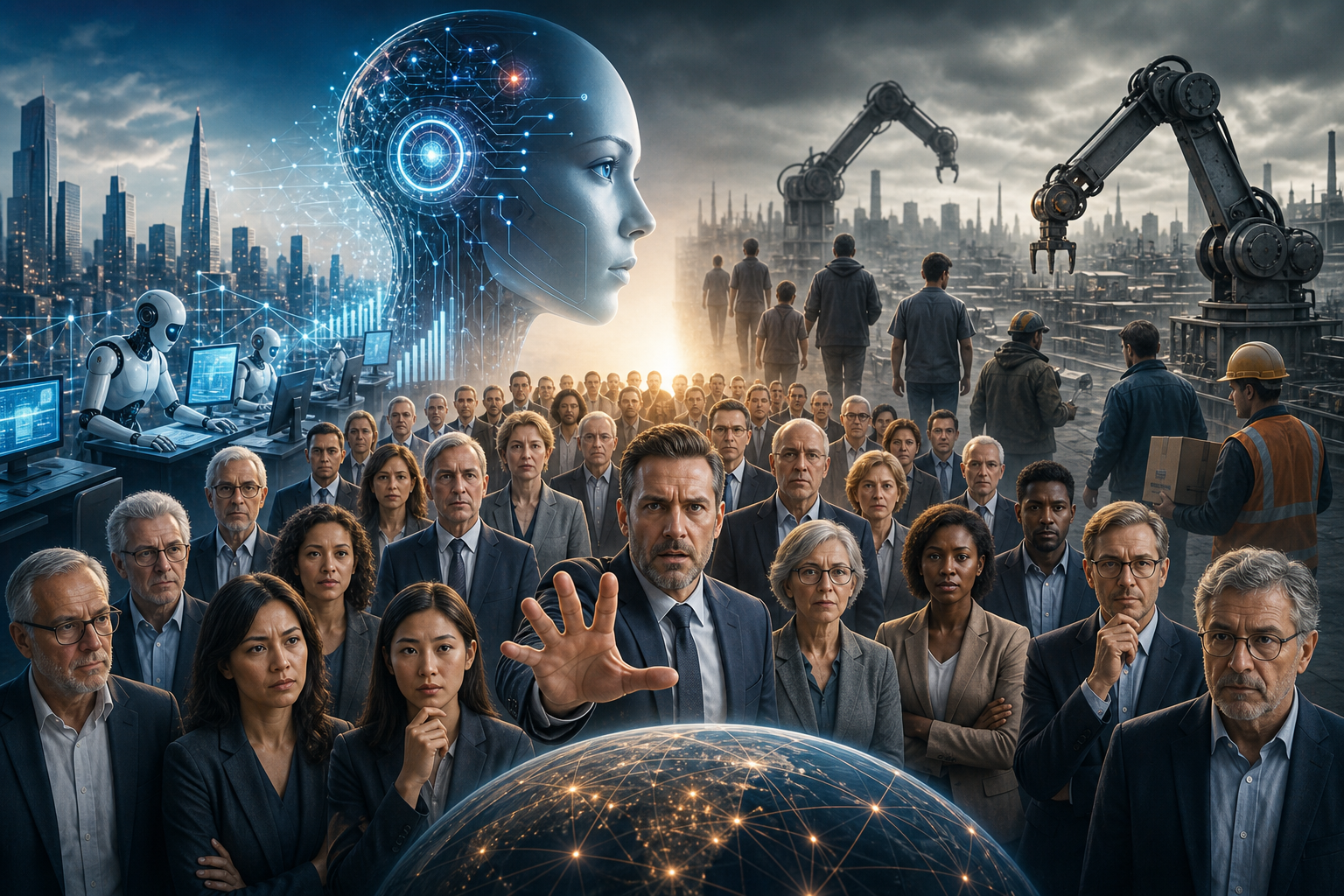
SAN FRANCISCO (AP) — A significant open letter signed by hundreds of prominent economists and leading tech executives warns that the potential transformation brought by artificial intelligence (AI) demands immediate action. This statement, released on Monday, calls for institutions to address the sweeping changes AI could impose on the economy and workforce.
The initiative, organized by Stanford University’s digital economy lab, brings together over 200 economists and AI researchers—among them 16 Nobel laureates—including notable figures from tech giants like Anthropic, Google, and OpenAI. The letter highlights a sobering prediction: "AI may become radically more powerful over the next 10 years," potentially leading to a transformation that rivals the Industrial Revolution but occurs within a much shorter timeframe. This evolution could bring about significant job displacement while creating new opportunities for enhancing living standards.
Significantly, the letter emphasizes the need for leaders to establish “incentives, guardrails, and institutions” that can steer AI development in ways that are beneficial to society. These leaders are urged to act decisively, echoing a collective hope that the consequences of AI will be both constructive and inclusive.
Yoshua Bengio, a renowned computer scientist and AI pioneer, affirms this urgency, stressing that it is "highly plausible" AI will drastically reform economies. He argues that society must be intentional in crafting the future, rather than leaving it to market forces alone—a sentiment that resonates with biblical teachings on our responsibility to care for one another and the world around us.
In light of this unfolding situation, it’s worth reflecting on the biblical principle in Matthew 7:12: "So in everything, do to others what you would have them do to you." This verse invites us to consider how our decisions, especially regarding technology and AI, impact our neighbors and communities. As we navigate these complexities, the call to fairness, empathy, and foresight becomes paramount.
Takeaway: As we stand at the intersection of technology and society, let’s engage these conversations with curiosity and compassion. Reflect on how we can contribute to shaping a future where progress benefits all, staying grounded in values that uplift and unite.
If you want to want to know more about this topic, check out BGodInspired.com or check out specific products/content we’ve created to answer the question at BGodInspired Solutions
If positive Biblical wisdom matters to you, I’d love your support of the mission
Q&A about
Is it really true that AI will take away jobs, and how should Christians respond?
The concerns about AI displacing jobs are valid, but as Christians, we can respond with faith and resilience. Jesus taught us not to worry about tomorrow, as our needs will be met (Matthew 6:34). Instead, we should focus on how we can adapt and build skills in a changing economy, trusting that God guides our paths.
How can we find purpose in a world where AI might replace our work?
Finding purpose is about understanding our value beyond just our jobs. In Colossians 3:23, we are encouraged to work heartily, as if serving the Lord. Even in a world of AI, we can find fulfillment by serving others and using our gifts to honor God, knowing that He has a plan for each of us.
What does the Bible say about the importance of community in times of economic change due to AI?
Community is essential, especially during significant changes like those brought by AI. In Acts 2:44-45, we see early Christians sharing their resources and supporting one another. As we face economic shifts, we should lean on and uplift each other, reflecting Christ’s love and fostering unity in our communities.
Should Christians advocate for policies on AI and job displacement?
Absolutely, Christians are called to be stewards of creation, which includes engaging in social and economic issues. Proverbs 31:8-9 reminds us to speak up for those unable to speak for themselves. Advocating for thoughtful policies can help ensure that the benefits of AI are shared equitably, fulfilling our responsibility to care for one another.