 0
0
 0
0
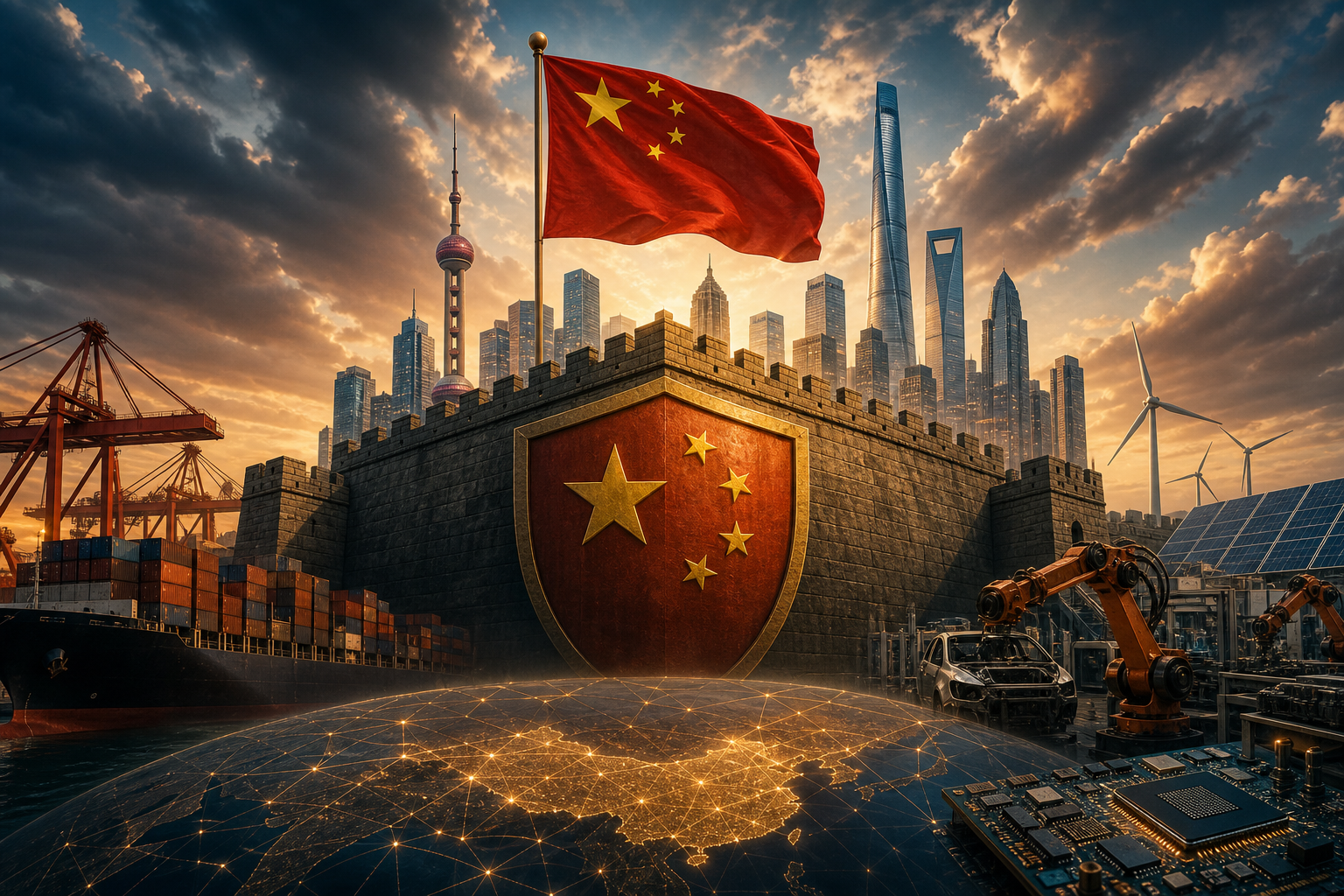
China Builds an Economic Fortress as Global Tensions Rise
By [Your Name]
As global tensions escalate, China is strategically reinforcing its economic policies to create what some analysts are calling an "economic fortress." This development comes alongside a series of measures aimed at tightening the government’s grip on the burgeoning tech sector and regulating outbound investment—a clear attempt to solidify its influence and safeguard its economic interests.
Recent reports highlight a wave of new regulations impacting various sectors. According to The New York Times, the Chinese government is increasingly asserting control over the technology industry, which has been pivotal to the nation’s economic growth. Notably, new legislation has been introduced to enhance security reviews of overseas investments and curb individual investors’ ability to invest abroad, as reported by Bloomberg and Yahoo Finance.
These moves reflect a broader strategy to counter perceived threats from Western nations while fostering stability within China’s economic landscape. The Telegraph emphasizes this narrative by detailing how the government is limiting the power of influential tech figures in Beijing, underscoring a renewed emphasis on collective security over individual entrepreneurial freedoms.
In this climate of economic nationalism, the implications for global markets are profound. As restrictions tighten and international engagement faces scrutiny, the interconnectedness of economies could be tested. The Wall Street Journal articulates the challenge at hand: Can global economy remain resilient in the face of rising isolationist policies?
This scenario invites reflection on biblical teachings about wisdom in stewardship. As Jesus taught in Matthew 25:14-30, we are called to be wise stewards of our resources, whether as individuals or nations. Just as the servants in the parable were entrusted with different amounts and held accountable, countries too will need to navigate their economic destinies carefully.
In light of these developments, it’s essential to consider the broader implications of our choices—how we govern our own resources, whether they be personal investments or national strategies.
The takeaway here is both timely and timeless: as we face tensions and challenges, let us embrace a spirit of wisdom and stewardship grounded in trust and integrity. By doing so, we not only safeguard our own futures but ultimately contribute to a more harmonious global community.
Reflect on this: as we navigate complex times, how can we align our decisions with values that promote resilience and unity? In this intricate web of international relations, there lies a profound opportunity for growth and understanding—if we choose to engage wisely.
If you want to want to know more about this topic, check out BGodInspired.com or check out specific products/content we’ve created to answer the question at BGodInspired Solutions
If positive Biblical wisdom matters to you, I’d love your support of the mission
Q&A about
How should Christians view China’s growing economic power amid global tensions?
The rise of China as an economic power can be seen through the lens of God’s sovereignty over nations. Scripture reminds us that God raises up and brings down leaders according to His divine plan, as seen in Romans 13:1, where it says that all authority comes from God. As Christians, we are called to trust in Him, recognizing that our ultimate hope lies not in earthly powers but in His everlasting kingdom.
What does the Bible say about the importance of economic relationships between nations?
The Bible teaches us the value of relationships and the mutual support they can foster. In Philippians 2:4, we’re encouraged to look out not only for our interests but also for the interests of others. This perspective encourages us to seek peaceful and productive economic partnerships that can promote stability and reflect Christ’s love in our interactions.
How can Christians respond to the potential conflicts arising from economic competition?
In times of tension and competition, Jesus calls us to be peacemakers, as stated in Matthew 5:9. This means approaching conflicts with a heart for reconciliation, advocating for dialogue and understanding rather than hostility. Our response should be prayerful, seeking God’s wisdom and guidance in bringing about peace in our communities and the world.
Should Christians engage in discussions about global economic strategies?
Engaging in discussions about global economic strategies is important as it allows us to steward our resources wisely. Proverbs 15:22 reminds us that plans fail for lack of counsel, so seeking insight from multiple perspectives—including biblical teachings—can lead to better decisions. By involving our faith in these discussions, we can contribute to outcomes that honor God and support our neighbors.