 0
0
 0
0
Youth Migration Crisis Reflects Deeper Societal Issues in Morocco
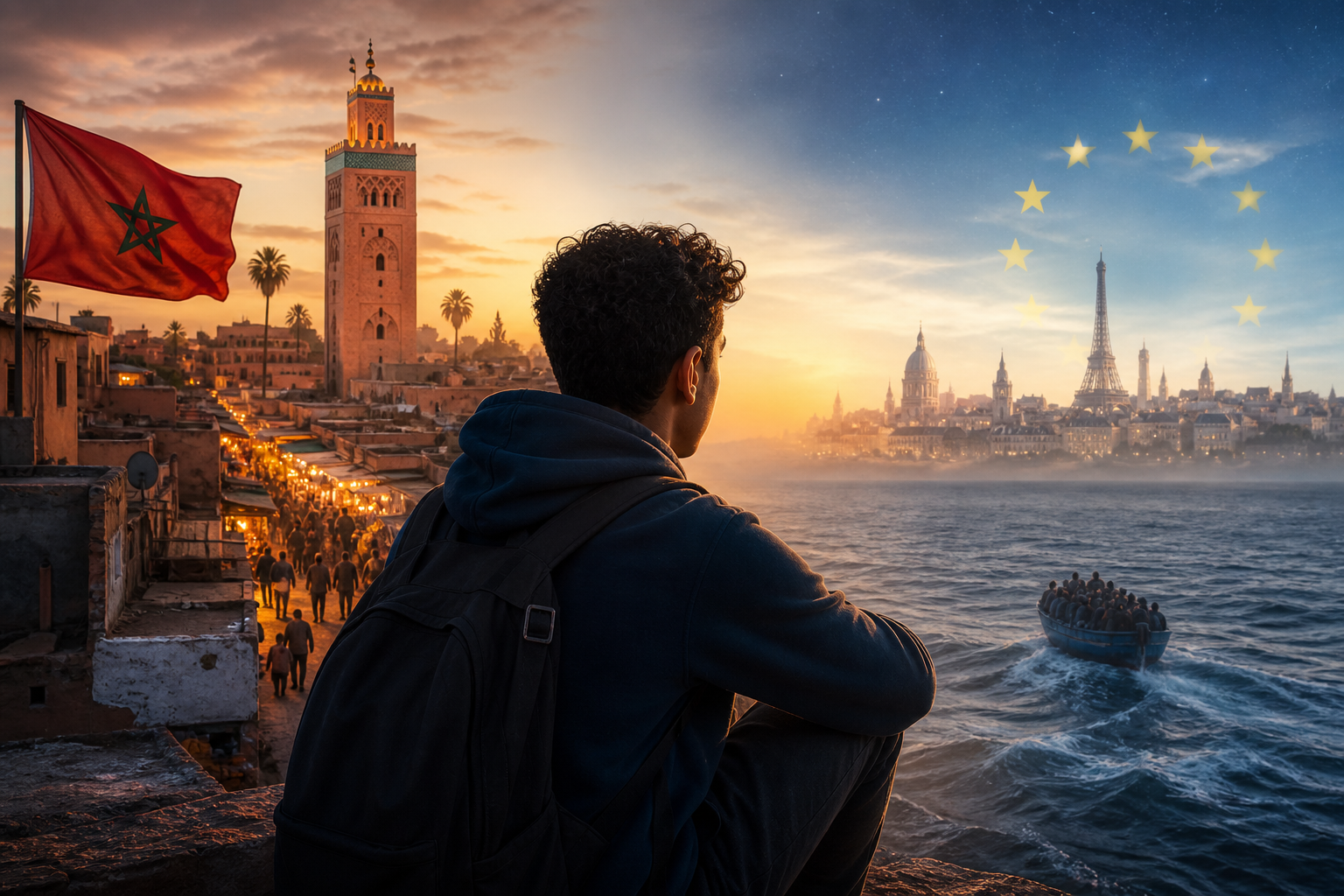
RABAT – Recent events have reignited concerns over youth migration as 72,000 would-be migrants attempted to cross from Morocco to Spain’s Ceuta, drawing parallels to previous European migration crises. However, while many might expect destitution or conflict to be the driving forces behind this migration, the reality is more complex.
Despite Morocco’s economy showing signs of growth—bolstered by significant investments in infrastructure ahead of the 2030 World Cup—youth unemployment in rural areas sits at a staggering 27%, far outpacing the national average of 9.5%. This economic disparity creates a sense of disenfranchisement, particularly among the younger generation.
Even with tens of thousands returned swiftly and reports of countless lives lost during these desperate attempts to cross, the magnetic allure of Europe remains potent, underscoring what sociologist Soumaya Naamane Guessos describes as a "crisis of confidence" among Moroccan youth. Many of those who risked everything to reach Ceuta were not simply the economically disadvantaged; rather, they often hailed from relatively stable backgrounds, demonstrating that deeper societal anxieties are at play.
Take Said Tribak, a 38-year-old craftsman from Tangiers, who left his job and family to seek better opportunities across the border after hearing, via social media, that the frontier was open. His journey, marked by chaotic scenes at the border, illustrates the disillusionment some feel despite marginally satisfactory lives at home. "I thought I would earn more if I put in the same effort there as I do here," he shared.
These sentiments echo biblical principles surrounding hope and the quest for a sustainable future. Just as the parables of Jesus teach us about the importance of investing in our communities and nurturing the growth of one another, there resides a pressing need for Moroccan institutions to foster environments where young people feel empowered rather than sidelined.
“For I know the plans I have for you,” declares the Lord, “plans to prosper you and not to harm you, plans to give you hope and a future” (Jeremiah 29:11). This verse can resonate deeply in contexts where dreams seemingly retract into fog amidst the harshness of reality. It challenges the idea that all hope lies elsewhere and invites a sacred reclamation of agency within one’s immediate environment.
Reflecting on this crisis prompts critical questions about social structures and opportunities not just within Morocco, but globally. How can societies create spaces where youth feel they are active participants rather than passive observers?
The story unfolding in Morocco beckons us to listen and respond—both physically and spiritually. In nurturing the potential of the next generation, we embody the essence of hope that transcends borders. May we take this opportunity to reflect on how we can create pathways for inclusivity and empowerment, ensuring that all young people feel they can dream and achieve right where they are.
If you want to want to know more about this topic, check out BGodInspired.com or check out specific products/content we’ve created to answer the question at BGodInspired Solutions
If positive Biblical wisdom matters to you, I’d love your support of the mission
Q&A about
Why do young Moroccans want to move to Europe despite a strong economy at home?
Many young Moroccans see Europe as a land of opportunity, where they believe they can find better education and jobs. However, the Bible reminds us that true fulfillment comes from seeking God’s kingdom first, as illustrated in Matthew 6:33, where Jesus encourages us to prioritize spiritual pursuits over worldly gains.
Is there a biblical perspective on dreaming of a better life in another country?
The desire for a better life often mirrors the longing of believers for a heavenly home, as mentioned in Hebrews 13:14, which speaks of seeking a city that is to come. While dreaming of a better place is natural, we are called to remember that our hope should ultimately be anchored in Christ rather than material pursuits.
How can faith help young Moroccans facing challenges at home?
Faith can provide strength and perspective during tough times, as Paul reminds us in Philippians 4:13 that through Christ, we can do all things. When faced with challenges, trusting in God’s plan can bring both comfort and a sense of purpose, encouraging young individuals to see their potential and value right where they are.
What does the Bible say about contentment in our current circumstances?
The Bible speaks to the importance of contentment, as Paul writes in 1 Timothy 6:6 that godliness with contentment is great gain. Embracing our current situation while working towards personal growth can lead to a fulfilling life, reminding us that God’s plans are higher than our own aspirations.