 0
0
 0
0
Tragedy at the Borders: The Perils of Migration from Morocco to Spain
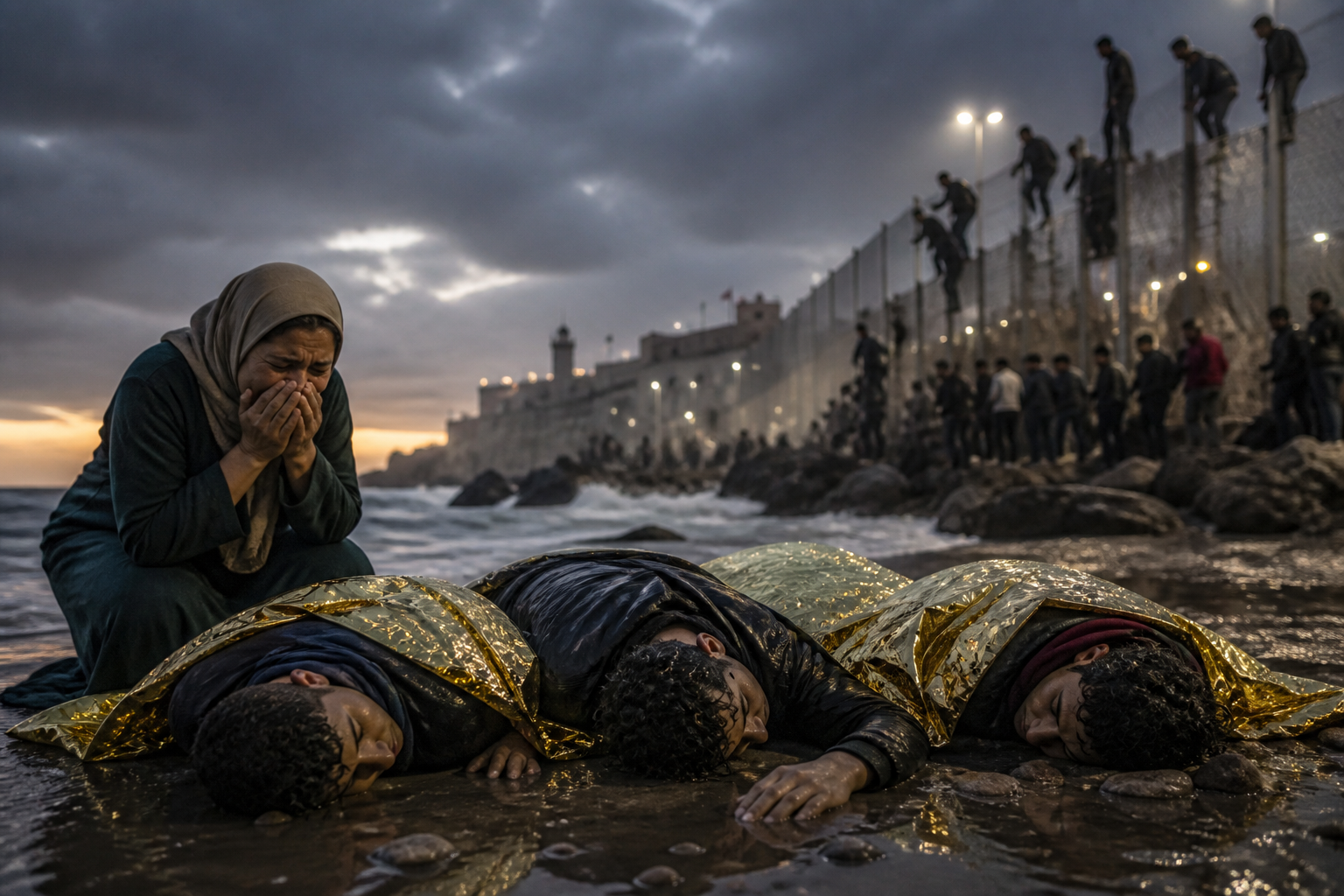
CASABLANCA, Morocco (AP) — In a desperate pursuit for a better life, three young men lost their lives attempting to cross from Morocco to Spain. Ayoub Akbili needed funds for his mother’s surgery; Hamza Haibouri aspired to fulfill his soccer dreams; and Abdelouahed Iken was captivated by a friend’s glamorous life in Italy. In search of opportunity, they became part of the harrowing statistics surrounding one of the deadliest migration crises in recent history.
Driven by miscommunication, poverty, and the allure of prosperity, over 70,000 migrants surged towards Ceuta, a Spanish territory on the North African coast, last month. Official figures report at least 90 fatalities during this perilous journey, with many families still awaiting the return of their loved ones’ remains. As Moroccan and Spanish authorities ramp up security measures, the harsh realities of economic hardship and unemployment push many to risk everything for the possibility of a brighter future.
The Lure of Opportunity
Despite the growth forecast of 4.5% for Morocco’s economy, opportunities remain scarce, particularly for young graduates like Akbili, who earned only $421 a month working at a car parts factory. This stark reality compelled him to change his mind about illegal migration. His decision reflects the biblical notion of hope and longing for a better life, akin to the Israelites’ quest for the Promised Land.
Jesus teaches in Matthew 7:7, “Ask, and it will be given to you; seek, and you will find; knock, and it will be opened to you.” This verse reminds us that the quest for a future filled with hope and purpose is a universal aspiration. In seeking opportunities, however, we must also recognize the ethical and moral responsibilities that bind us to our communities.
Dreams and Desires
Haibouri’s story illustrates how dreams can powerfully motivate actions. A talented soccer player on vacation, he envisioned a path to success in Europe, a place he believed held the keys to his ambitions. Yet, like many, he faced tragic consequences. Such motivations evoke compassion and understanding, reflecting the heartfelt principle of caring for one another as taught by Jesus, who said in John 15:12, "This is my commandment, that you love one another as I have loved you."
The Heartbreaking Realities
The news of their deaths reached families through social media, a modern-day testament to our interconnectedness—both a blessing and a curse. While this technology has reshaped how we communicate, it also highlights the raw emotions surrounding loss and aspiration. Families now struggle with heavy burdens to repatriate their loved ones, facing costs upwards of €2,500 ($2,900). This financial strain echoes the human need for compassion and support during trying times.
A Reflection on Humanity
As we absorb these heartbreaking stories, we are invited to reflect on how we, as a community, respond to those seeking hope and stability. What can we, as individuals and as a society, do to foster environments where dreams are nurtured without peril?
The struggles faced by individuals like Akbili, Haibouri, and Iken remind us that every life lost carries a story, a vision for a future that speaks to the intrinsic human desire for dignity, security, and love. In Romans 12:15, we are called to "Rejoice with those who rejoice, and weep with those who weep." Let us take a moment to empathize with these families, reflecting not just on their losses, but also on the broader principle of our shared humanity.
An Encouraging Takeaway
In the face of despair, we must hold onto the hope that engenders change. Just as the early disciples banded together in mutual support, may we too cultivate a community of compassion and understanding. Let this tragic narrative inspire us to kindle a light in dark places, to create avenues of opportunity where dreams can flourish without peril. As we consider these stories, may we ask ourselves how we can better embody the principles of love and support in our own communities—lighting the way for those who seek a brighter future.
If you want to want to know more about this topic, check out BGodInspired.com or check out specific products/content we’ve created to answer the question at BGodInspired Solutions
If positive Biblical wisdom matters to you, I’d love your support of the mission
Q&A about
Why did three Moroccans die in the Ceuta migration crisis?
The tragedy of these three Moroccans serves as a reminder of the desperate lengths people will go to for a better life. In a biblical context, we can reflect on Jesus’ teaching about the value of every soul, as He says that what profits a man if he gains the whole world yet loses his soul. Pursuing dreams is important, but it’s crucial to consider safety and guidance through prayer.
How does faith play a role in the migration experiences of those fleeing hardship?
Faith can be a profound source of hope for individuals seeking a better life amid adversity. God’s promises in Scripture encourage us to trust Him in times of uncertainty, much like how the Apostle Paul expressed his hope in Christ in the face of trials. Believing in a higher purpose can provide strength and direction during such perilous journeys.
What lessons can Christians learn from the struggles of migrants?
Christians are called to show compassion and support those in need, as seen in Jesus’ parable of the Good Samaritan, where love for our neighbor transcends boundaries. The struggles of migrants like these individuals highlight the importance of advocacy, empathy, and taking action to assist others. Our faith compels us not just to observe but to engage in helping the vulnerable.
How can I respond as a Christian to migration crises worldwide?
One way to respond is through prayer and advocacy, seeking ways to support relief efforts and policies that assist migrants. The Apostle James reminds us that faith without action is dead, indicating that our beliefs should inspire tangible efforts to care for the oppressed. Engaging with local organizations that aid migrants can be a practical expression of our faith in action.