 0
0
 0
0
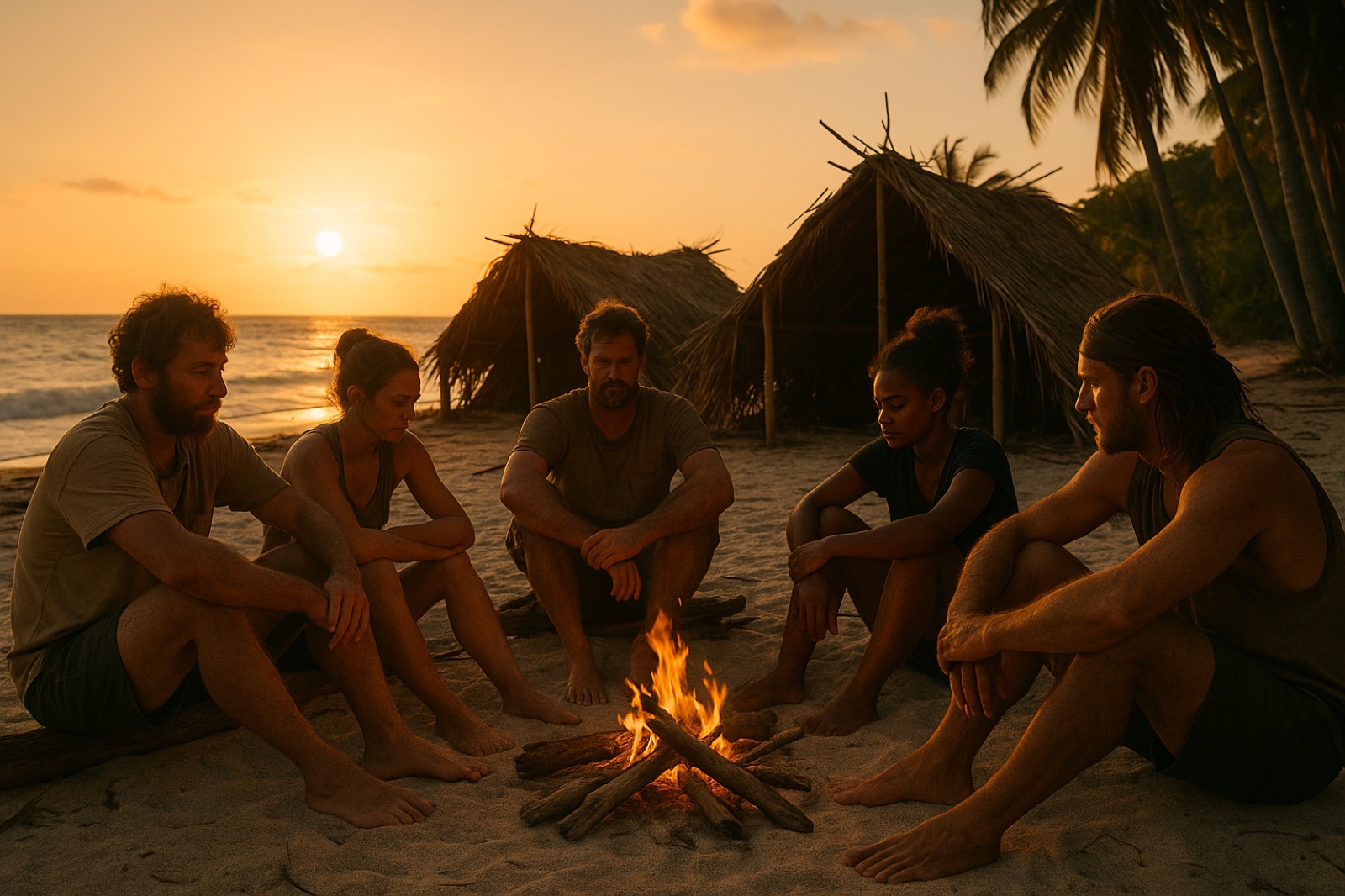
Roughly 20 million people tuned in for the season finale of “Island Survival” — a number big enough to break reality TV records this year. For three hours, they watched a handful of strangers on a remote coastline run out of food, run out of sleep, and run out of the version of themselves that shows up when life is easy. No one was rescued early. No one got a pass. And instead of tuning out as it got harder to watch, the audience kept getting bigger every week.
That’s the part worth sitting with. Not the prize money. Not the twists. The simple, slightly uncomfortable fact that watching people suffer on TV is one of the most reliable ways to build a hit show — and it has been for two decades.
What Actually Happened on “Island Survival’s” Record-Breaking Finale
The premise is almost aggressively simple: strip a group of people down to almost nothing — food, shelter, sleep, privacy — and film what’s left. “Island Survival” leaned harder into deprivation than most of its competitors, with challenges built less around clever strategy and more around plain endurance. Contestants who’d been composed and likable in episode one were, by the finale, visibly worn down to something rawer. Ratings didn’t dip as the show got harder to watch. They climbed.
That pattern isn’t new, and it isn’t unique to one show. “Survivor” has run for over 40 seasons on the same core mechanic. “Alone” strips it down even further — no crew, no comfort, just a person and the wilderness. Even shows built around romance instead of physical deprivation, like Love Island USA’s own record-breaking week, spike hardest during their most emotionally exposed moments, not their happiest ones. Researchers who study audience behavior have a name for part of this: parasocial investment. Once you’ve watched someone for six weeks, their exhaustion isn’t abstract to you anymore. You’ve been rooting for them. Their test has quietly become something you’re invested in too.
But that only explains why we keep watching once we’ve started. It doesn’t explain why the hardest, most stripped-down moments are the ones that pull the biggest audiences in the first place.
The Real Reason We Can’t Look Away (And It’s Older Than Television)
Psychologists who study why people watch reality competition shows point to something called social comparison — we watch other people navigate hardship partly to measure ourselves against it. Could I do that? Would I hold up? But there’s a layer underneath that one, and it’s less about comparison and more about a question every person eventually asks about their own life: does who I am under pressure actually mean something, or is it just noise?
That question is a lot older than reality television. Long before cameras existed, people were drawn to the same idea — that character isn’t really revealed in comfort, it’s revealed in deprivation. Strip away the food, the sleep, the routine, the applause, and see what’s actually left standing. Ancient wisdom keeps returning to this same shape: the wilderness season, the desert test, the stretch where everything easy gets taken away — not as punishment, but as the place where something real finally gets to show itself. If you’ve ever felt stuck in a hard season of your own life, that old idea has more to say about it than most self-help advice does — testing was never framed as meaningless in that tradition, it was framed as formative. Even the number that keeps showing up around these stories — forty, as in forty days, forty years — was always attached to seasons like this one.
We didn’t invent the fascination with watching someone tested down to their studs. We just built cameras and put it on a schedule.
What This Means the Next Time You Can’t Stop Watching
None of this makes the finale less entertaining, and it doesn’t mean there’s something wrong with you for staying up to watch strangers push through exhaustion on an island. It might just mean the pull is doing exactly what it’s always done — reminding you, underneath the entertainment, that the hard seasons aren’t only obstacles. They’re where the real version of a person tends to show up. Including, maybe, your own.
So the next time a finale like this breaks records, it’s worth asking what you’re actually watching for. Odds are, it’s not really the prize. (If you find yourself doing this with a lot of the shows you watch — noticing the deeper thread underneath the plot — there’s a free AI tool built for exactly that curiosity: TV & the Bible, which opens right in ChatGPT.)
Discussion Question
Do you think reality shows built around real hardship (Survivor, Alone, Island Survival) say something true about human character — or are they just entertainment dressed up as meaning? Drop your take in the comments.
Share This
- 20 million people just watched strangers run out of food, sleep, and comfort on TV — and couldn’t look away. Here’s the surprisingly old reason why: [link]
- We didn’t invent the fascination with watching someone get tested down to nothing. We just added cameras. [link]
- “Island Survival” broke reality TV records this year. The real reason isn’t the prize money — it’s something a lot older than television. [link]
Questions People Ask
Why do people like watching reality TV shows about survival and hardship?
Researchers point to social comparison (measuring how we’d hold up under the same pressure) and parasocial investment (once you’ve watched someone for weeks, their struggle feels personal to you). Underneath both is a deeper pull: watching someone tested reveals something about character that comfort never shows.
Why did “Island Survival” break reality TV ratings records?
The show leaned harder into physical and mental deprivation than most competitors — less strategy, more raw endurance. Rather than losing viewers as it got harder to watch, the show gained audience through its most demanding episodes, peaking with roughly 20 million viewers for the finale.
Is it normal to feel guilty about enjoying shows where people suffer?
Yes, and that guilt is worth paying attention to rather than dismissing. Most people aren’t drawn to these shows out of cruelty — they’re drawn to watching character get tested under conditions they’ll likely never face themselves. Noticing what you’re actually rooting for (endurance, honesty, resilience) usually says something better about you than the discomfort suggests.
Do other reality shows use the same “hardship” formula as Island Survival?
Yes. “Survivor” has run more than 40 seasons on a similar core mechanic, and “Alone” strips it down even further with no crew or camera team present. Even relationship-based shows like Love Island tend to spike hardest during their most emotionally exposed moments rather than their lightest ones.
What does the Bible or faith traditions say about hardship revealing character?
Long before reality television, wisdom traditions described testing and wilderness seasons as formative rather than punishing — the place where what’s real in a person finally becomes visible, once everything easy has been stripped away.