 0
0
 0
0
When Gratefulness Becomes a Burden
The sun filtered through dusty blinds, casting long shadows on a cluttered table. In the chaos of everyday life, a friend sat across from me, wrestling with a looming sense of guilt. "Why can’t I just be grateful for everything?" she sighed, her eyes clouded with confusion. We often adopt a mindset that insists on gratitude, even in the midst of pain. But is that always the right response?
Understanding Gratitude: A Complex Posture
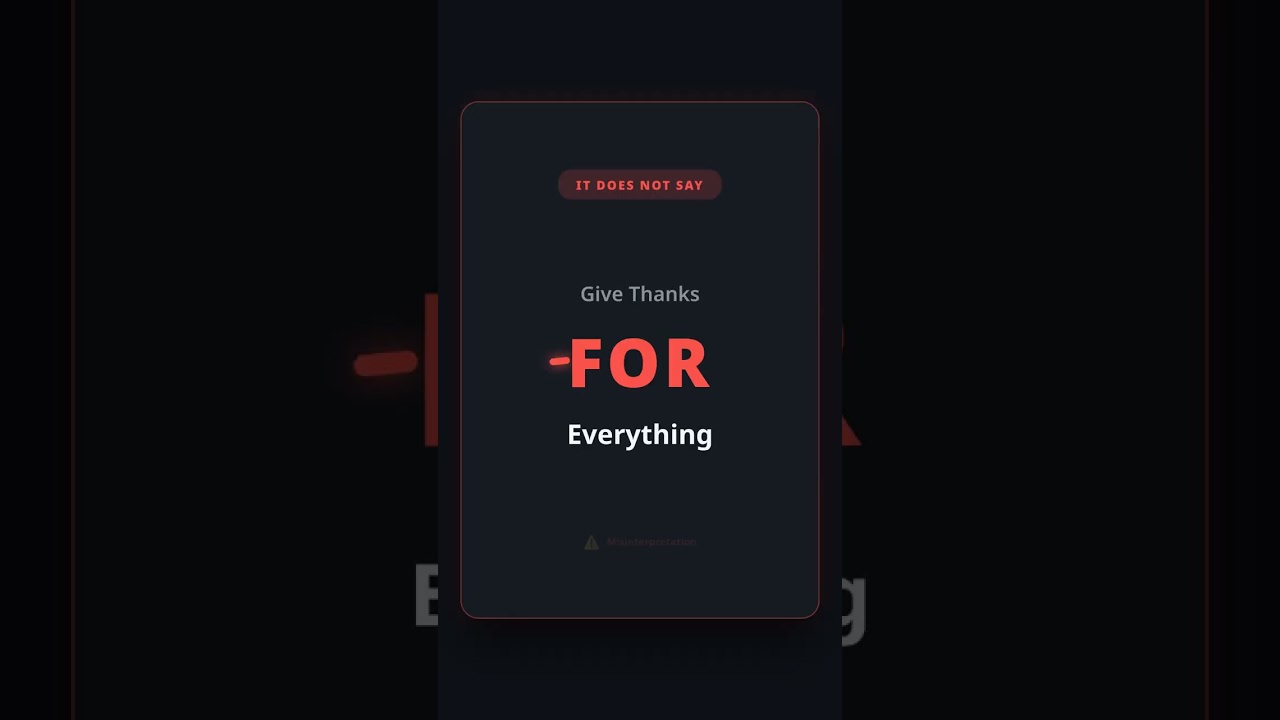
Gratitude can be a balm for the soul, a simple way to shift our perspective during life’s storms. Yet, it’s essential to peel back the layers and consider the context. In 1 Thessalonians 5:18, Paul writes, “In everything give thanks; for this is the will of God in Christ Jesus for you.” It’s an uplifting directive, right? But what happens when we’re asked to give thanks for pain, loss, or injustice?
Consider this: expressing gratitude for everything can sometimes lead us to dismiss our genuine feelings. In acknowledging our struggles, we may forge a more authentic connection with ourselves and God. It’s not a matter of being ungrateful; it’s about being real with where we are. Sometimes gratitude feels like an uphill battle, especially when we’re in the thick of tough circumstances.
Misunderstandings About Gratitude
Many wear gratitude like a badge, promoting the ideal that we must force ourselves to be thankful no matter what. It’s a misunderstanding, leading us to obscure our genuine emotions. For instance, it’s normal to grieve the loss of a loved one, to lament a friendship gone sour, or to question why things are the way they are.
Think of Job, who lost everything yet expressed his sorrow honestly. In the end, God didn’t rebuke him for his raw emotions (Job 30:20-21). Instead, He acknowledged Job’s authenticity. Real gratitude is not about blind acceptance; it’s the ability to see that in our darkest moments, God is still present. It’s the paradox of blessing God while wrestling with pain. Embracing this complexity allows us to live authentically, building a deeper faith that acknowledges both joy and sorrow.
Actions to Take This Week
Write down three things you genuinely feel grateful for today and reflect on why those specific items matter in your life.
Allow yourself to grieve or express a tough emotion without judgment. Identify a safe space where you can voice your feelings—maybe a trusted friend or your journal.
Practice a gratitude reframe: Instead of saying, “I’m thankful for my struggle,” try saying, “I’m thankful for the lessons I’ve learned through my struggle.”
A Prayer for Authentic Gratitude
God, I come to You with my heart laid bare. Help me to embrace my emotions, both joy and pain. I want to genuinely reflect on what I can be thankful for, even when life feels heavy. Show me Your presence in all circumstances, and remind me that it’s okay to be real with You. Amen.
Journal Prompts
-
What emotions do I often suppress in the name of gratitude?
-
How can I be more honest with God about my struggles while still seeking moments of thankfulness?
-
Reflect on a difficult moment where you were told to be grateful; how did that impact your feelings?
-
In what ways does recognizing the complexity of gratitude deepen my faith?
Share This
It’s okay to be real with God about my struggles—He sees my heart and loves me through them anyway. #grateful #authenticity #faithjourney
Q&A: Why Being Grateful for Everything is Wrong #mindset #faith
Is feeling grateful for everything a requirement?
No, it isn’t a requirement. While gratitude is encouraged (1 Thessalonians 5:18), it’s crucial to acknowledge our feelings honestly, even when they are not positive.
What should I do if I can’t feel grateful during tough times?
It’s okay to feel that way. Acknowledge your feelings of sorrow or anger. You can still seek moments of gratitude without feeling pressure to be thankful for painful experiences.
What’s the difference between gratitude and toxic positivity?
Gratitude embraces genuine feelings, including pain, while toxic positivity insists on maintaining a happy facade regardless of one’s true emotional state.
How can I express gratitude when things are bad?
Focus on small, specific things. Instead of thanking God for the situation, you might thank Him for a supportive friend or a comforting moment in your day (Philippians 4:6-7).
Can I be grateful and still question God?
Absolutely. Expressing doubt or questioning is part of a real relationship with God. Just like Job, you can voice your struggles while still finding reasons to be grateful.
Returning to the Table
As we sift through life, we may find ourselves in tension, navigating gratitude amidst sorrow. It’s a complex landscape, filled with layers of emotion. Genuine faith asks us to embrace the messiness. If you’ve wrestled with this idea, I’d love to hear your story. Let’s share our challenges as we grow together, discovering the beauty in our authentic journeys.
Why Being Grateful for Everything is Wrong #mindset #faith on YouTube
If you want to want to know more about this topic, check out BGodInspired.com
If positive Biblical wisdom matters to you, I’d love your support of the mission