 0
0
 0
0
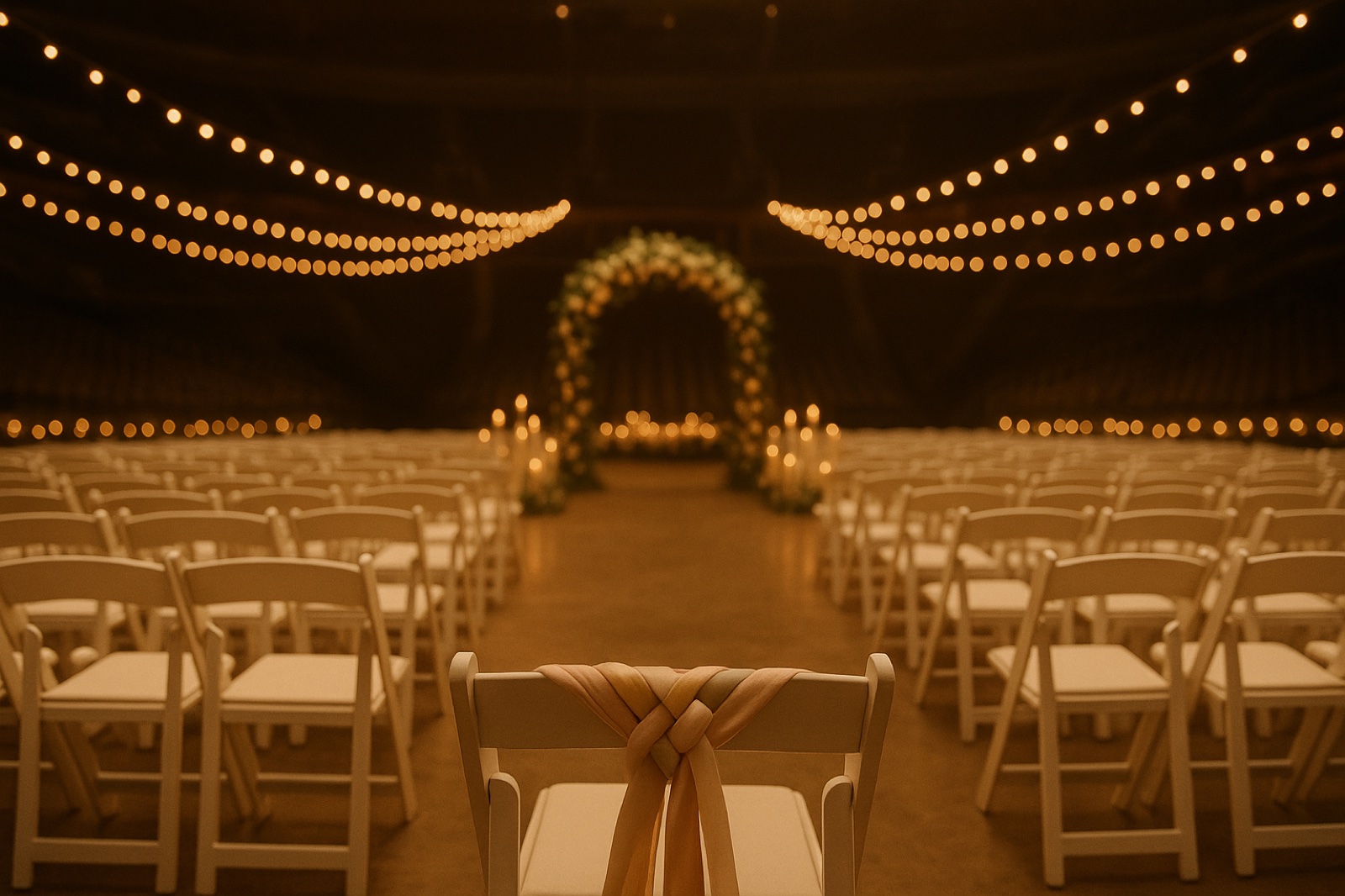
Taylor Swift and Travis Kelce got married in front of roughly 1,000 people. Not a courthouse. Not a quiet backyard ceremony with twelve close friends. A room full of a thousand witnesses, watching two of the most photographed people on the planet make a promise to each other.
Within hours, it was everywhere — every entertainment feed, every group chat, every “did you see this” text. And underneath all the dress speculation and guest-list guessing, there’s a question worth sitting with for a second longer than the headlines do: what actually makes a marriage like that last?
Why We Can’t Look Away From a Celebrity Wedding
It’s not really about the celebrities. Or not only about them. Psychologists who study why the public gets so invested in famous weddings point to something simpler than gossip: we’re watching for proof. Proof that two people can choose each other in public, under enormous pressure, and still mean it. Proof that love isn’t just a phase that ends when the cameras find someone new to follow.
Most of us will never stand in front of a thousand people. But almost all of us have wondered, quietly, whether the kind of love we want is the kind that actually holds up over time — through the boring Tuesdays, not just the big day.
What Actually Predicts Whether a Marriage Lasts
Here’s what decades of marriage research keeps landing on, and it has almost nothing to do with the wedding itself. It’s not the size of the ceremony, the cost of the ring, or even how in love two people feel on the day they say “I do.” The strongest predictors of a marriage lasting are quieter than that: how couples handle conflict when no one’s watching, whether they still turn toward each other in small daily moments, and whether they feel known by the other person — not just loved in theory, but understood in the specific, textured way that takes real attention to build.
That last part matters more than people expect. Feeling loved isn’t one universal experience — it looks different for different people, which is part of why the idea of love languages resonated with so many people when it first caught on. A marriage doesn’t survive on the strength of a feeling. It survives on the strength of two people continuing to learn each other, long after the learning stops being new or exciting.
The Detail in the Guest List Nobody’s Talking About
A thousand guests sounds like spectacle. But there’s a real, well-documented pattern in marriage research that a large, involved community around a couple — family, close friends, people who will actually notice if something’s wrong and say something — correlates with marriages that last longer, not shorter. Isolation is one of the quiet risk factors researchers watch for. Community is a protective one.
It’s worth remembering the next time a marriage runs into real trouble, or ends, that the legal and spiritual weight put on divorce and remarriage across history was never really about punishing people who fail. It was about naming how seriously a promise like this was always meant to be taken — seriously enough to build guardrails around it, seriously enough to want it protected.
The One Ingredient No Ceremony Can Manufacture
There’s a piece of wisdom older than any wedding industry, any influencer’s ceremony reel, any registry list — the idea that a bond made of one strand snaps easily, a bond made of two holds a little better, but a bond woven from three strands is the hardest of all to break. Not because three is a bigger number. Because that third strand isn’t another person at all. It’s something bigger than both partners, something neither the size of the guest list nor the sincerity of the vows can fully substitute for on its own.
Marriage, at its core, was never just a legal contract or a public performance — it was designed as something with real weight behind it from the very beginning, a structure meant to hold two people together longer than feelings alone ever could. That’s the quiet thread running under every wedding, celebrity or otherwise: the ones that last tend to be the ones built on more than just the two people in the photos.
What This Means for the Rest of Us
Most people reading about the Swift-Kelce wedding will never have a thousand guests or a Madison Square Garden ceremony. That was never really the point of paying attention to it. The point is the same for every marriage, famous or completely unnoticed: the wedding day is not the hard part. The thousands of ordinary days after it are. What holds a marriage together isn’t measured by how many people watched the vows — it’s measured by what’s still there, holding steady, on the days nobody’s watching at all.
A Question Worth Sitting With
What do you think actually makes a marriage last — the wedding day itself, or something that happens in all the ordinary days after it? Drop your answer in the comments — we’d genuinely like to know what you’ve seen hold up over time.
Share This
- Taylor Swift and Travis Kelce got married in front of 1,000 people. But the thing that actually makes a marriage last has nothing to do with the guest list — here’s what does.
- Everyone’s talking about the Swift-Kelce wedding. Almost nobody’s talking about the one ingredient researchers say actually predicts whether a marriage survives.
- A thousand guests. One ceremony. The real question a celebrity wedding like this raises isn’t about the dress — it’s about what’s still holding two people together in ten years.
Common Questions
Did Taylor Swift and Travis Kelce really get married in front of 1,000 people?
Yes — their wedding was widely reported as a large ceremony with roughly 1,000 guests, one of the most talked-about celebrity weddings of the year.
What actually makes a marriage last long-term?
Marriage research consistently points to how couples handle conflict, whether they continue to turn toward each other in small daily moments, and whether they feel truly known by their partner — not the size or cost of the wedding itself.
Is love enough to keep a marriage together?
Most researchers who study long-lasting marriages say romantic feeling alone isn’t enough on its own — it has to be paired with ongoing effort, understanding, and often a supportive community around the couple.
Does having a big wedding with lots of guests actually help a marriage last?
A large, genuinely involved community around a couple is linked to lower divorce risk in research on marriage longevity — isolation is a risk factor, and community tends to be protective.
What is the “cord of three strands” idea people mention about marriage?
It’s an old piece of wisdom describing a bond made of three strands as far stronger than one made of two — the idea being that a marriage grounded in something bigger than just the two partners holds together more securely than one built on romantic feeling alone.