 0
0
 0
0
Gaza Recovery Plan Dramatically Shifts Focus: From Ambition to Pilot Project
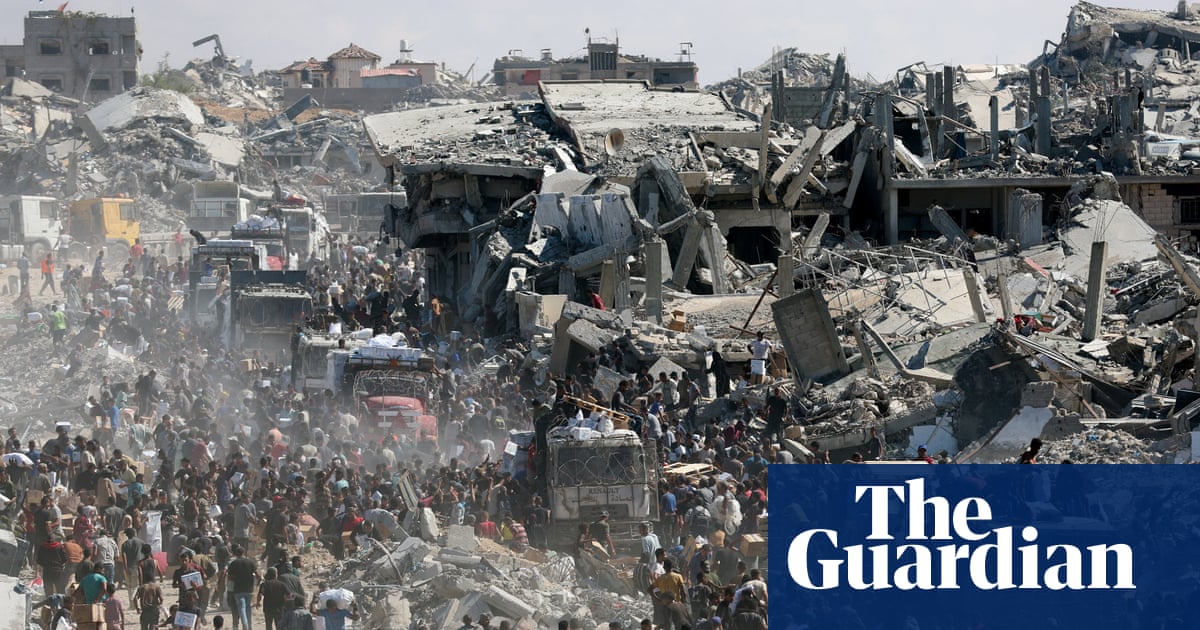
In a striking turn, Donald Trump’s Board of Peace (BoP) has scaled back its plans for Gaza recovery from an extensive reconstruction scheme to a modest pilot project targeting the southern region of the territory. Initially envisioned as a comprehensive blueprint for restoration, this shift now indicates a significantly reduced scope, aiming to accommodate only a small fraction of Gaza’s 2 million displaced citizens.
A Diminished Vision
The proposed pilot scheme includes a temporary camp where a Palestinian administration, police, and a small international security force would collaborate to oversee the living conditions of displaced individuals. Unfortunately, the camp is not expected to materialize before the year ends, and preparations have yet to commence at the chosen site near Rafah.
Despite preliminary steps—including the arrival of Moroccan and Kosovan officers to form an International Stabilization Force (ISF)—construction activity remains absent. Satellite imagery reveals no new structures, and stakeholders are bracing for delays, particularly as Israeli elections loom on October 27, which may alter the political landscape further complicating the situation.
Obstacles and Hopes Amidst Challenges
Israeli violations of the Trump-negotiated ceasefire since its announcement continue to stymie progress, restricting humanitarian aid and impeding reconstruction efforts. The prevailing sentiment among Western diplomats is that a new Israeli government could yield better outcomes for Gaza, although the likelihood of substantial changes remains uncertain.
One unnamed diplomat highlighted the urgency of keeping initiatives afloat to prevent extremist factions in the Israeli government from molding a more aggressive agenda for Gaza, including proposals for population transfers and colonization—a stark reminder of the volatility in the region.
Reflecting on the Biblical call for justice and compassion, it’s apparent that the cycle of violence and humanitarian crises demands a response rooted in empathy and understanding. Jesus said, “Blessed are the merciful, for they shall obtain mercy” (Matthew 5:7, ESV). The current complexities in Gaza underscore the need for mercy in addressing the suffering of displaced individuals.
A Fragile Framework for Aid
As the pilot program gains traction, concerns mount over the adequacy of the support it will provide. Critics fear that this limited initiative could be utilized for propaganda by Israel while it simultaneously bolsters its military presence in the region. With the proposed camp being perceived by some as a “caged and controlled Potemkin village,” questions linger about the broader humanitarian implications.
However, the ongoing conversations in Cairo involving Hamas and Israeli-backed militias reflect a glimmer of hope. Negotiations surrounding disarmament mechanisms, though fraught with difficulties, highlight the potential for alternative approaches to peace.
A Beacon of Hope
The necessary funds for the pilot remain uncertain, as previous pledges have largely gone unfulfilled. Amid this unpredictability, Palestinian Authority officials express concerns about promoting a fragmented approach to humanitarian relief, which may unjustly prioritize certain areas over the broader population in crisis.
As supporters of harmony and healing, we are called to reflect on the emphasis Jesus placed on community and unity. In Hebrews 10:24-25, we are encouraged to “consider how to stir up one another to love and good works” (ESV). Amid these challenges, the imperative to support one another resonates profoundly. Healing and hope can emerge from our collective efforts.
While political maneuverings and military tensions may continue to define the narrative in Gaza, the undercurrents of faith, compassion, and commitment to humanitarian assistance can guide us toward a future where mercy prevails over division and suffering. This situation invites us to actively engage in fostering understanding, healing, and love.
As we navigate these challenging waters, let us encourage one another to reflect on the essence of our shared humanity and the profound need for empathy amidst turmoil.
If you want to want to know more about this topic, check out BGodInspired.com or check out specific products/content we’ve created to answer the question at BGodInspired Solutions
If positive Biblical wisdom matters to you, I’d love your support of the mission
Q&A about
Why did Trump’s Board of Peace drop the full Gaza recovery plan?
The decision to prioritize a tiny pilot scheme over a comprehensive recovery plan likely reflects a pragmatic approach to conflict resolution. In Matthew 5:9, Jesus says, “Blessed are the peacemakers,” which highlights the importance of seeking peace in any way we can—even if it’s through smaller, more manageable efforts. Sometimes, initiating small steps can lead to greater movements towards healing.
How can we as Christians respond to the situation in Gaza?
We can respond with compassion and prayer, asking God to guide our actions and hearts. In James 1:27, we are called to look after orphans and widows, implying that our faith should drive us to support those in need, including victims of conflict. Engaging with humanitarian efforts can be a powerful expression of our faith.
Is there a biblical way to understand the challenges in Gaza?
The struggles faced in places like Gaza remind us of the fallen nature of our world, as seen in Romans 8:22, where all of creation is groaning due to sin. Acknowledging this can lead us to understand the necessity of God’s grace and intervention. We should pray for peace and reconciliation as essential elements of our faith.
How can faith guide us in discussions about political decisions like this?
Faith encourages us to seek wisdom and understanding in all matters, including political ones. Proverbs 2:6 states that the Lord gives wisdom, and from His mouth come knowledge and understanding. As Christians, we should approach political discussions with love and a desire for justice, reflecting Christ’s teachings in our debates and discussions.