 0
0
 0
0
Navigating the AI Writing Revolution: Authenticity, Identity, and Human Connection
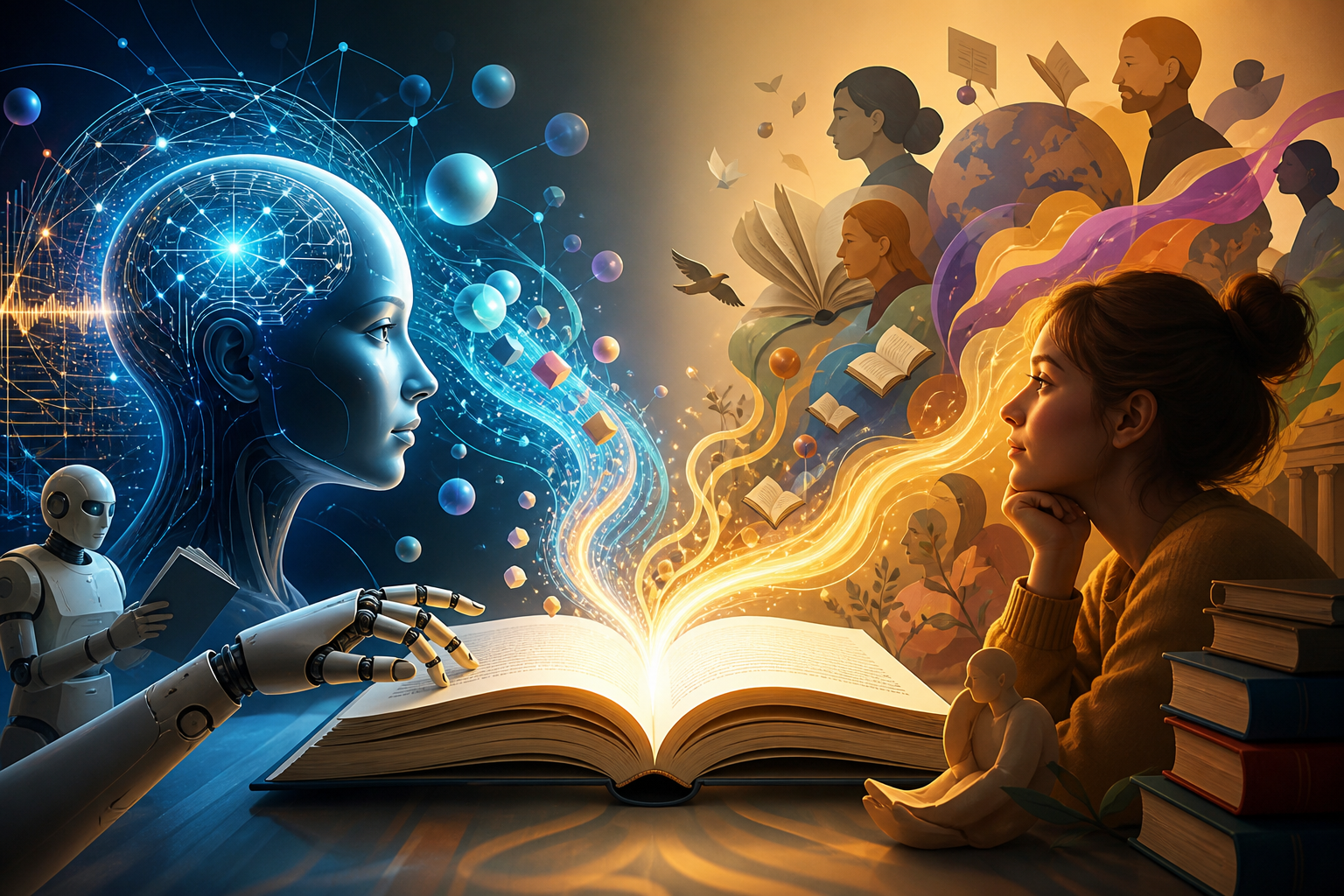
In a world increasingly influenced by artificial intelligence (AI), the subtleties of writing have become a battleground for authenticity. Recent analyses of hotel reviews have sparked questions about whether we can accurately discern AI-generated text from human-crafted prose. Only about 60% of participants in a linguistic study could identify the source of various reviews. As we grapple with the implications of AI on our language, a deeper inquiry emerges about the nature of creativity, identity, and our connection to one another.
The struggle to distinguish between human and AI writing is echoed in the sentiments of linguists and authors alike. For instance, Claire Hardaker’s study reveals that common markers of automated text, such as clichés and predictable structures, are also present in human writing. This convergence leads to uncertainty, reminiscent of the biblical principle found in James 1:8: “A double-minded man is unstable in all his ways.” Just as the intricacies of faith require a commitment to genuine belief, so too does the integrity of our written word demand a dedication to authenticity.
As we sift through perceptions of AI’s role in literature, it’s clear that fear and skepticism arise not just from the technology itself but from its potential to dilute the essence of human experience. Amidst these concerns, Gary Shteyngart reflects on the profound intimacy offered in human storytelling, arguing that reading is a "Vulcan mind meld" that connects us to another’s consciousness. This observation connects deeply with Jesus’ teachings on love and connection, urging us to reach out and understand others, as seen in Matthew 22:39: “You shall love your neighbor as yourself.” The challenge is to preserve that sacred connection, even as technology interjects.
As we navigate this complex landscape, we are reminded of the importance of fostering genuine relationships and embracing our humanity. The ongoing debate regarding AI-generated versus human-created content pushes us to reflect on our values and the authenticity of our interactions. In encouraging the pursuit of genuine expression, we should consider this takeaway: just as Jesus invited us to engage with one another in honesty and love, we too can choose to cultivate a writing culture that is rich, heartfelt, and true to the essence of who we are.
Let this moment inspire a commitment to authenticity and connection in our lives and our writing. Each word we craft holds the potential for connection, and investing in relationships—both with others and within ourselves—creates a tapestry of truth and meaning that transcends mere words.
If you want to want to know more about this topic, check out BGodInspired.com or check out specific products/content we’ve created to answer the question at BGodInspired Solutions
If positive Biblical wisdom matters to you, I’d love your support of the mission
Q&A about
How is AI affecting the way we communicate with each other?
AI influences communication by creating tools that enhance our ability to express thoughts and ideas. This reminds us of Proverbs 18:21, which states that "the tongue has the power of life and death." As we use AI to improve our language, we should seek to speak life and encourage one another, reflecting Christ’s love in our words.
Can AI help me understand the Bible better?
Absolutely, AI can assist in providing different translations and interpretations of the Bible, making it easier to grasp its meaning. In John 14:26, Jesus promises that the Holy Spirit will teach us all things, implying that God uses various means, including technology, to help us grow in understanding and faith.
Is it okay to use AI to create religious content?
Using AI to create religious content can be beneficial if it aligns with biblical truths and promotes the Gospel. Philippians 4:8 encourages us to think about things that are true, noble, and right. If the content produced by AI reflects these qualities and serves to uplift others spiritually, it can be a valuable tool for ministry.
Can AI replace the need for human connection in faith communities?
While AI can facilitate communication, it cannot replace genuine human connection found in faith communities. Hebrews 10:24-25 emphasizes the importance of encouraging one another and meeting together. Real relationships foster spiritual growth, which AI alone cannot provide.