 0
0
 0
0
Apple Responds to Youtuber AI Lawsuit: A Reflection on Creativity and Ownership
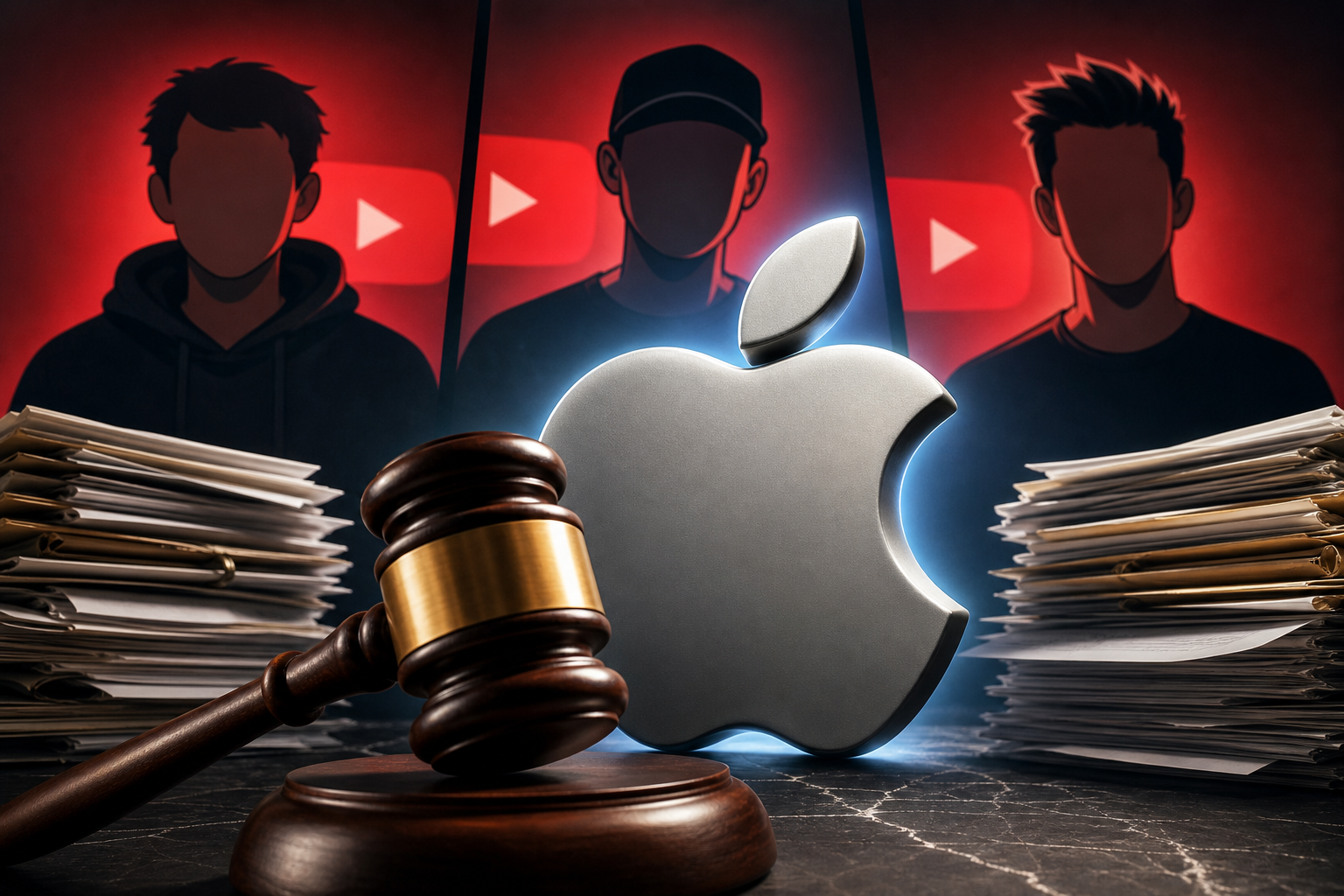
In a landmark case that highlights the tension between technology and creativity, three YouTube channels have taken on Apple, alleging the tech giant violated the U.S. Digital Millennium Copyright Act (DMCA) by unlawfully scraping millions of their videos to develop its artificial intelligence models. The channels h3h3Productions, MrShortGame Golf, and Golfholics contend that Apple’s actions represent not just a legal breach but a moral quandary regarding the rights of creators in an ever-evolving digital landscape.
The lawsuit, filed in April with the U.S. District Court for the Northern District of California, accuses Apple of deliberately circumventing protections designed to safeguard content creators. The plaintive channels assert that the company "profited substantially" from their work without proper compensation. This reflects a broader concern within the creative community about the implications of AI technology. As the channels stated, Apple’s conduct constitutes "an unconscionable attack on the community of content creators."
This legal confrontation invites us to ponder an essential question: What constitutes responsible stewardship of creative work? As Jesus taught about the value of each individual, it’s worth reflecting on how that principle applies to the realm of digital content. Creators invest time, energy, and passion into their work, and respecting that effort aligns with the biblical teaching of valuing one’s neighbor.
In its recent court document, Apple argues that the videos were made publicly available on YouTube, suggesting they are accessible to anyone without restrictions. Apple’s defense revolves around the idea that the DMCA allows public access in this context. They contend that the technological measures YouTube employs do not sufficiently prevent public access, effectively challenging the plaintiffs’ claims.
Yet, this legal discourse isn’t merely about permissions and platforms; it raises ethical questions surrounding the relationship between innovation and integrity. In an age where technological advancements can easily overshadow human creativity, the essence of stewardship and respect for one another’s work must remain at the forefront.
As we navigate these discussions, it’s insightful to recall Proverbs 22:29: “Do you see a man skillful in his work? He will stand before kings; he will not stand before obscure men.” This verse reminds us of the intrinsic value of diligence and creativity.
As the lawsuit progresses, it serves as a call for all of us to consider how we engage with the creativity around us and reflect on the spiritual principle of honoring each other’s contributions.
Ultimately, this case isn’t solely about the legal ramifications for Apple or the YouTube channels; it’s about fostering a culture that values and respects creative work. As we reflect on these issues, let us strive to uphold values of fairness and respect, ensuring that the proliferation of new technologies serves to uplift rather than undermine the human spirit.
If you want to want to know more about this topic, check out BGodInspired.com or check out specific products/content we’ve created to answer the question at BGodInspired Solutions
If positive Biblical wisdom matters to you, I’d love your support of the mission
Q&A about
Why is Apple being sued by YouTube channels, and what does this mean for free speech?
Apple is facing a lawsuit from three YouTube channels claiming infringement on their creative expression. This situation highlights the importance of free speech in our society. As believers, we are reminded in Matthew 5:14 that we are to be "the light of the world," encouraging openness and truth in our interactions.
How should Christians view corporate actions like those of Apple in a lawsuit?
Christians are called to discern corporate actions through a biblical lens, examining whether they align with values of justice and integrity. Micah 6:8 tells us to "act justly, love mercy, and walk humbly," which reminds us to hold corporations accountable while also extending grace where it’s due.
What can we learn about conflict resolution from this lawsuit?
This lawsuit serves as a reminder of the conflicts that can arise in a diverse society. In Matthew 18:15-17, Jesus teaches about resolving disputes directly and respectfully, encouraging us to seek reconciliation. For Christians, it’s essential to approach disagreements in a manner that reflects Christ’s love and pursuit of unity.
How does this case reflect the relationship between technology and faith?
The case illustrates the ongoing tension between technology and moral values in our lives. Paul’s encouragement in Philippians 4:8 to think on whatever is true, noble, and right can guide how we navigate these technological waters, reminding us to engage with content that uplifts and edifies our faith while also encouraging others to do the same.