 0
0
 0
0
Russia Reaffirms Commitment to Capture Ukrainian Regions Amid Ongoing Conflict
By Ronald Popeski
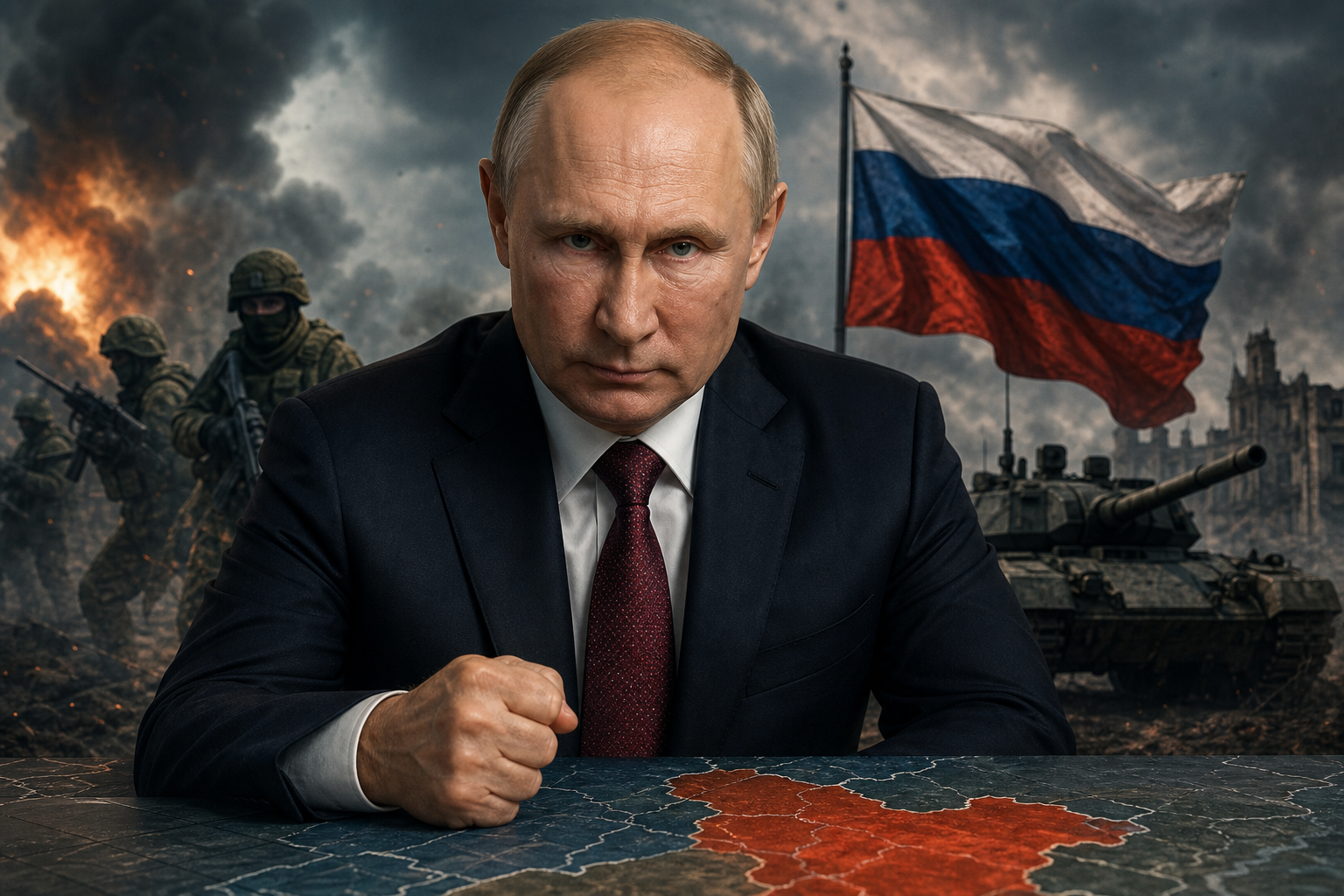
June 28 (Reuters) – President Vladimir Putin declared on Sunday that Russia intends to continue its military efforts to seize control of four regions in Ukraine, dismissing what he characterized as a new Ukrainian proposal aimed at reducing hostilities in the now four-year conflict. In an interview broadcast on Russian state television, Putin emphasized the need for an enhanced air defense system to counter a surge in Ukrainian drone attacks, particularly targeting Russia’s oil industry.
Putin openly acknowledged at a Kremlin meeting that these strikes have caused fuel shortages in various Russian regions, but he asserted that the situation was under control. During the televised interview, he described Ukraine’s call for a mutual cessation of long-range strikes as a tactic to alleviate pressure on its forces, stating, "Our counter-strikes deep into Ukrainian territory are much stronger… and frankly, more destructive." He further stressed that saving the "Kyiv regime" was not part of Russia’s strategic plan.
In light of the deep-rooted conflict, Ukrainian President Volodymyr Zelenskiy had earlier issued an open letter proposing a face-to-face meeting with Putin, a request that the Russian leader has thus far rejected. Putin claimed that Ukraine’s drone campaigns are intended to distract from Russia’s primary objectives of fully liberating contested regions, specifically the Donbas and Novorossiya areas.
As the situation escalates, Putin referred to the necessity of quickly ramping up air defense production to mitigate the impacts of Ukrainian strikes, noting that such attacks do not significantly affect the frontline dynamics. He hinted at the possibility of renewed U.S.-led diplomatic initiatives, with expectations of a forthcoming visit from American envoys once current conflicts, particularly involving Israel and Iran, stabilize.
The prolonged conflict raises questions that echo throughout history and challenge the moral fabric of humanity. In a world where leaders advocate for aggressive pursuits, one cannot help but reflect on biblical principles of peace and reconciliation. Jesus teaches us in Matthew 5:9, "Blessed are the peacemakers, for they shall be called sons of God."
As we observe this ongoing struggle, it invites us to ponder our role in fostering peace and understanding, both on personal and societal levels. Conflict often breeds division, but through compassion and dialogue—qualities exemplified by Christ—we may find pathways toward resolution and healing.
Takeaway: In a time of strife, let us hold fast to the promise of peace that transcends human conflict. May we be inspired to embody the role of peacemakers, reflecting on how each of us can contribute to harmony in our communities and beyond. Remember, even in challenging times, there lies an opportunity for growth, understanding, and divine guidance on the journey to peace.
If you want to want to know more about this topic, check out BGodInspired.com or check out specific products/content we’ve created to answer the question at BGodInspired Solutions
If positive Biblical wisdom matters to you, I’d love your support of the mission
Q&A about
Why does Putin feel the need to continue the front-line campaign in Ukraine despite proposals for peace?
Many leaders pursue power and control, often forgetting the call to peace and reconciliation found in Scripture. James reminds us that “wherever there is jealousy and selfish ambition, there you will find disorder and evil of every kind.” This pursuit might stem from pride and fear rather than a commitment to peace.
How should Christians respond to conflicts like the one in Ukraine?
As Christians, we’re called to be peacemakers, reflecting Jesus’ teachings in Matthew where He says, “Blessed are the peacemakers, for they will be called children of God.” Praying for peace and supporting humanitarian efforts aligns with our faith and the heart of God in situations of conflict.
Is it right for Christians to support military actions, even if it’s for a supposed good cause?
The New Testament teaches us that our weapons are not of this world; rather, our battle is against spiritual forces, as Ephesians states. Supporting military action might contradict our commitment to love and forgiveness that Jesus exemplified, encouraging us to seek nonviolent solutions.
What can we learn from this situation about power and leadership from a faith perspective?
Leadership according to Christ emphasizes servant leadership rather than domination. In Mark, He teaches that “whoever wants to become great among you must be your servant.” This perspective challenges us to scrutinize the motivations behind actions taken by leaders and to advocate for justice rooted in humility and love.