 0
0
 0
0
The Hidden Link: Why Statins May Cause Muscle Pain for Millions
For millions, statins serve as a daily defense against heart disease, but approximately 10% of users face a perplexing and painful side effect—muscle aches—that often leads them to discontinue these life-saving medications. Scientists from Columbia University and the University of Rochester have made a groundbreaking discovery, suggesting a potential underlying cause: a calcium gate in muscle cells that statins might inadvertently keep open.
A Closer Look at Muscle Pain
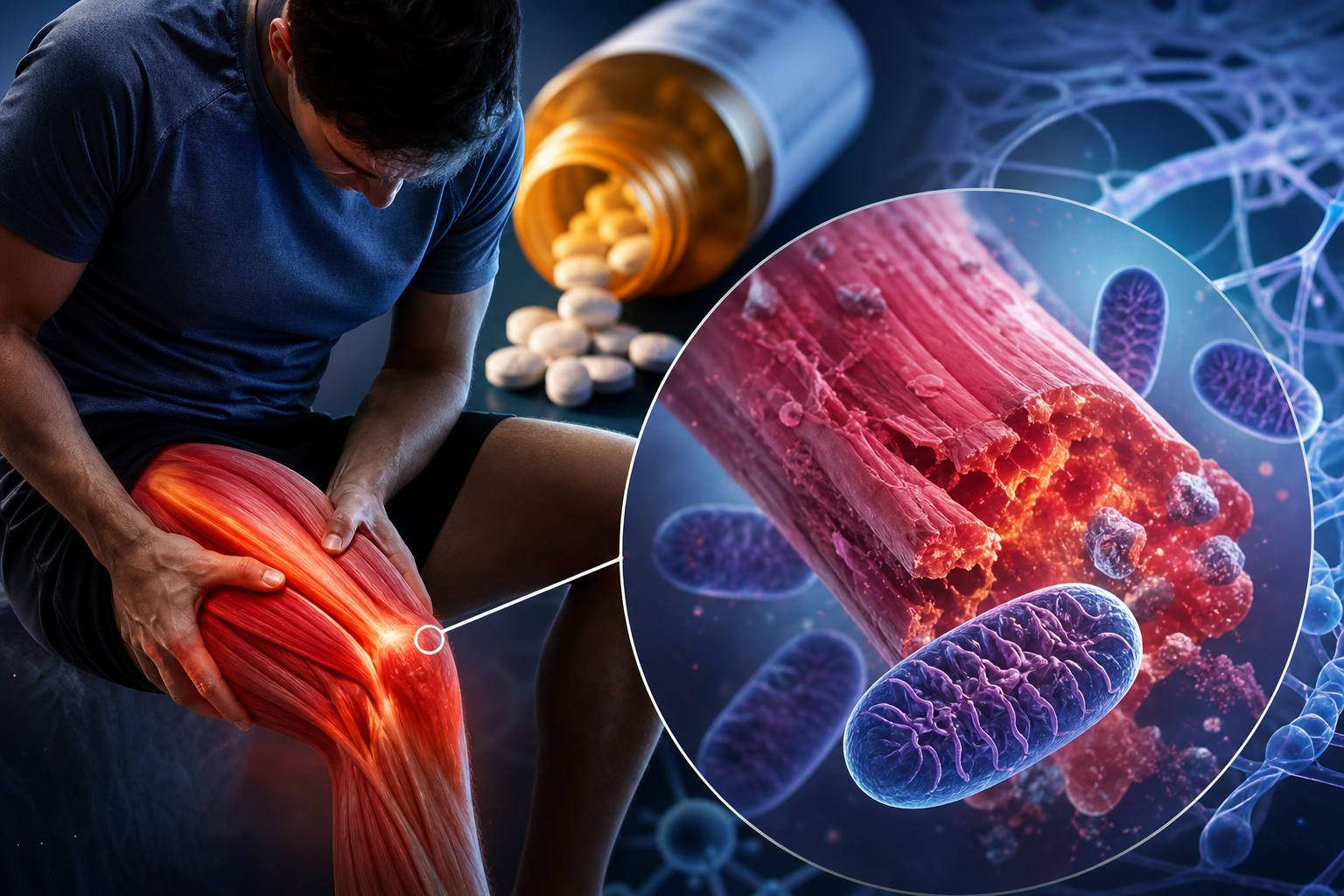
Statins are designed to inhibit an enzyme critical for cholesterol production in the liver, effectively lowering "bad" LDL cholesterol levels and preventing cardiovascular diseases, which are among America’s leading killers. However, the drug doesn’t only target cholesterol. It also interacts with various proteins in the body, including a protein known as ryanodine receptor 1 (RyR1). This protein acts like a bouncer, allowing calcium ions to flow into muscle cells—a process vital for muscle contraction.
Research using advanced cryo-electron microscopy uncovered how statins can bind to RyR1, leading to unregulated calcium leakage into muscle cells. This leakage can result in tissue damage, causing persistent pain, weakness, and cramps in some patients. Lead author Andrew Marks notes that many patients refuse to take statins due to these debilitating side effects—an issue that warrants urgent attention.
Understanding the Broader Implications
While the discovery provides insight into one possible mechanism behind statin-associated muscle symptoms (SAMS), it opens doors for potential solutions. Researchers suggest redesigning statins to avoid binding to RyR1 while still promoting cholesterol reduction. Additionally, an experimental drug, Rycal, has shown promise in closing the leaky calcium gates in mice, preventing muscle weakness.
The challenges of SAMS echo the struggles faced in life—battles that resonate deeply with the Christian principle of perseverance in the face of adversity. The Bible reminds us in Romans 5:3-4, "Not only that, but we rejoice in our sufferings, knowing that suffering produces endurance, and endurance produces character, and character produces hope." Just as we navigate through life’s challenges, scientific discoveries pave the way for healing and understanding, offering hope for those affected.
An Encouraging Outlook
This new research invites us to reflect on the interconnectedness of faith, science, and healing. While it may not resolve the struggles faced by every statin user, it presents hope for many who have felt abandoned by their treatment. As advancements continue, we are reminded to seek understanding and perseverance—as our struggles, like the challenges in research, can lead to growth and ultimately healing.
As you ponder on this story, consider how resilience in difficult times not only strengthens our character but also enriches our spiritual journey. Just as the heart needs healthy cholesterol for life, our spirits thrive on hope, faith, and the community’s support. May we continue to seek answers and hold onto hope amid uncertainties.
If you want to want to know more about this topic, check out BGodInspired.com or check out specific products/content we’ve created to answer the question at BGodInspired Solutions
If positive Biblical wisdom matters to you, I’d love your support of the mission
Q&A about
Could statins really be causing painful side effects like muscle aches?
Yes, studies suggest that statins can lead to muscle pain and weakness, which can be concerning for many. In Philippians 4:6-7, we are reminded to bring our worries to God in prayer, seeking His peace even amidst physical struggles. Trusting Him during these challenging times can provide comfort and guidance in managing health issues.
Is it possible to manage these side effects with faith?
Absolutely! Many believers find that prayer and faith can help them cope with unpleasant side effects. James 5:14 encourages us to seek prayer and support from the church community, reminding us that we are not alone in facing health challenges and that God cares about our well-being.
What does the Bible say about taking medication like statins?
Scripture acknowledges the importance of caring for our bodies, as seen in 1 Corinthians 6:19-20, where our bodies are described as temples of the Holy Spirit. Using medications like statins can be part of our stewardship over our health, reflecting our commitment to live well and honor God in all we do.
How can I balance my health concerns with my faith in God?
Balancing health concerns with faith involves trusting in God’s plan while also taking proactive steps for our well-being. Romans 8:28 reassures us that God works all things for good for those who love Him. By praying, seeking medical advice, and staying grounded in our faith, we can navigate health challenges with hope.