 0
0
 0
0
Israeli Soldiers Describe Unfolding Violence Amid Claims of Ceasefire in Gaza
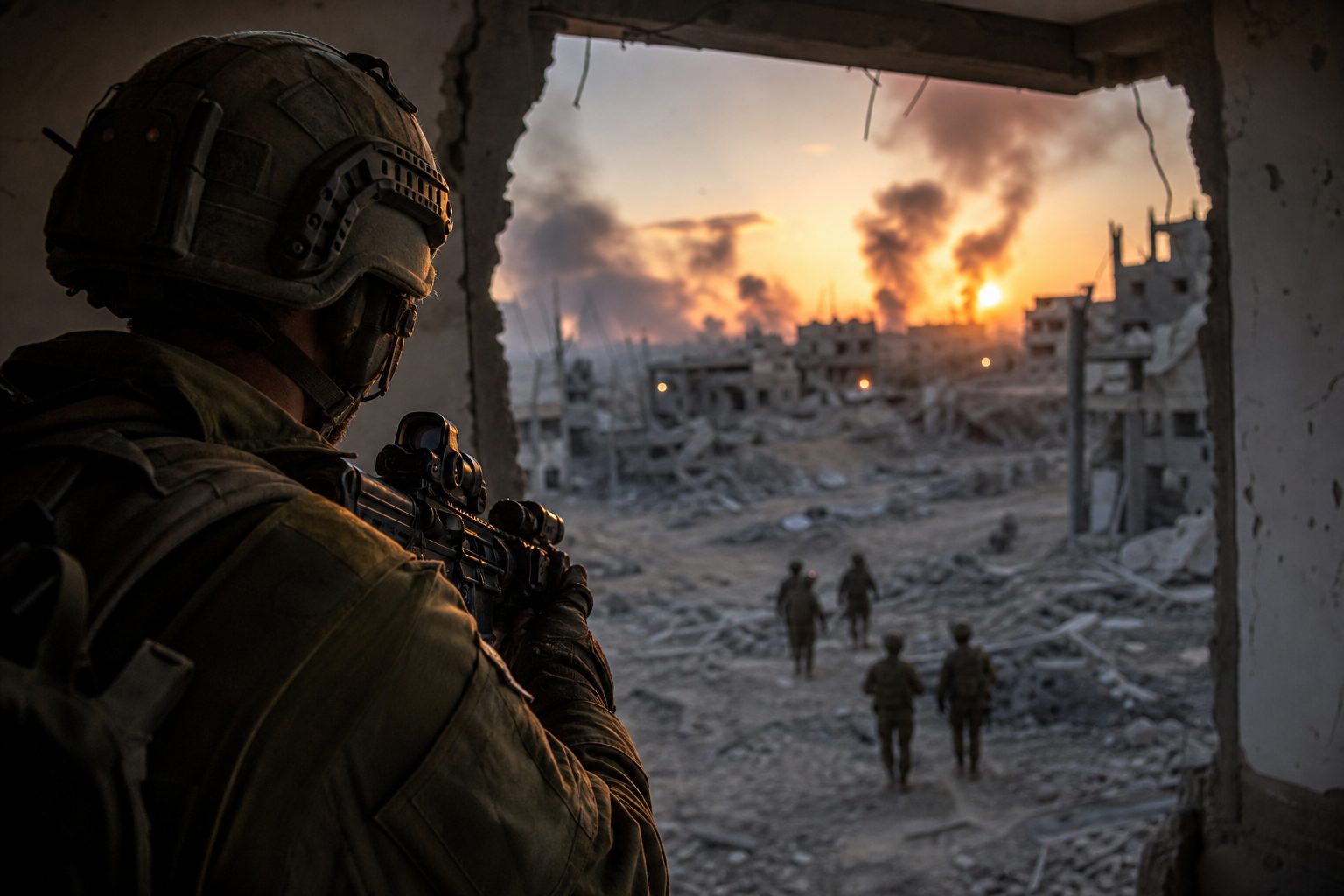
In an alarming portrayal of the ongoing crisis in Gaza, Israeli soldiers have begun sharing their firsthand accounts, revealing stark realities that challenge the notion of a true ceasefire. As reported by various news outlets, these testimonies detail incessant violence, leaving observers questioning the effectiveness of current peace rhetoric.
“To call it a ceasefire is a joke,” one soldier remarked, pinpointing the gap between official communications and ground realities. This sentiment is echoed in accounts where soldiers describe harrowing experiences amid a backdrop of continued violence, asserting that the situation is anything but stable.
The conflict has reached a point where some soldiers have begun to openly reflect on their actions and the moral implications of their roles. In a profound reckoning, one soldier lamented: “What I did in Gaza will stay with me forever.” These reflections shed light on the deep psychological toll and ethical dilemmas faced by individuals caught in this devastating conflict.
Transitional hooks like these offer insights not only into the operational aspects of military involvement but also into the profound moral and spiritual questions raised by such experiences. The teachings of Jesus, emphasizing love, compassion, and peace, resonate deeply in contrast to the narratives unfolding in Gaza. In Matthew 5:9, Jesus teaches, “Blessed are the peacemakers, for they shall be called children of God.” This call to stewardship of peace stands in stark opposition to the violence permeating the region.
As more accounts emerge, the world is reminded that peace is not merely the absence of conflict but requires active commitment to understanding, forgiveness, and reconciliation. With soldiers expressing their struggles between duty and conscience, there is a clear opportunity for reflection on a larger humanitarian scale.
In these turbulent times, may we seek to embody the spirit of love and forgiveness, challenging ourselves to be instruments of peace. No matter the circumstances we face, let us strive to foster environments that uphold dignity, respect, and compassion. As we navigate through the complexities of conflict, let us hold on to the biblical principle: “For I know the plans I have for you,” declares the Lord, “plans to prosper you and not to harm you, plans to give you hope and a future.” (Jeremiah 29:11).
In the end, as we grapple with these challenging realities, let us remember that our responses can sow seeds of understanding and compassion in the face of adversity. Reflecting on these principles offers a glimmer of hope amid darkness, encouraging us to envision a future grounded in peace.
If you want to want to know more about this topic, check out BGodInspired.com or check out specific products/content we’ve created to answer the question at BGodInspired Solutions
If positive Biblical wisdom matters to you, I’d love your support of the mission
Q&A about
Why do Israeli soldiers say calling it a ceasefire is a joke?
The soldiers’ accounts highlight the ongoing violence and suffering in Gaza, which reflect the brokenness of the world. Jesus taught us to be peacemakers in Matthew 5:9, reminding us that true peace requires sincere effort and understanding, not just a label.
How can we respond to the suffering in Gaza with faith?
Faith compels us to take action in compassion and prayer, as James 1:27 encourages us to care for those in distress. By advocating for peace and justice in our communities, we echo the call of Jesus to love our neighbors, which extends even to those far away from us.
What does Scripture say about the conflict and strife we see in places like Gaza?
The turmoil in conflict zones can be seen as a consequence of humanity’s fallen state, echoing the prophetic call in Matthew 24:6 about wars and rumors of wars. Our response should involve prayer and a relentless pursuit of justice, as we seek to embody Christ’s call to love and serve others.
How does understanding these soldier accounts challenge our views on war and peace?
Hearing firsthand accounts can deepen our empathy and understanding of suffering, prompting us to reflect on Romans 12:18, which urges us to live at peace with everyone if it is possible. It challenges us to consider how we, as Christians, can contribute to reconciliation efforts and advocate for those caught in the crossfire of conflict.