 0
0
 0
0
EYRC Architects Expands Cocopah Museum with Thoughtful New Building
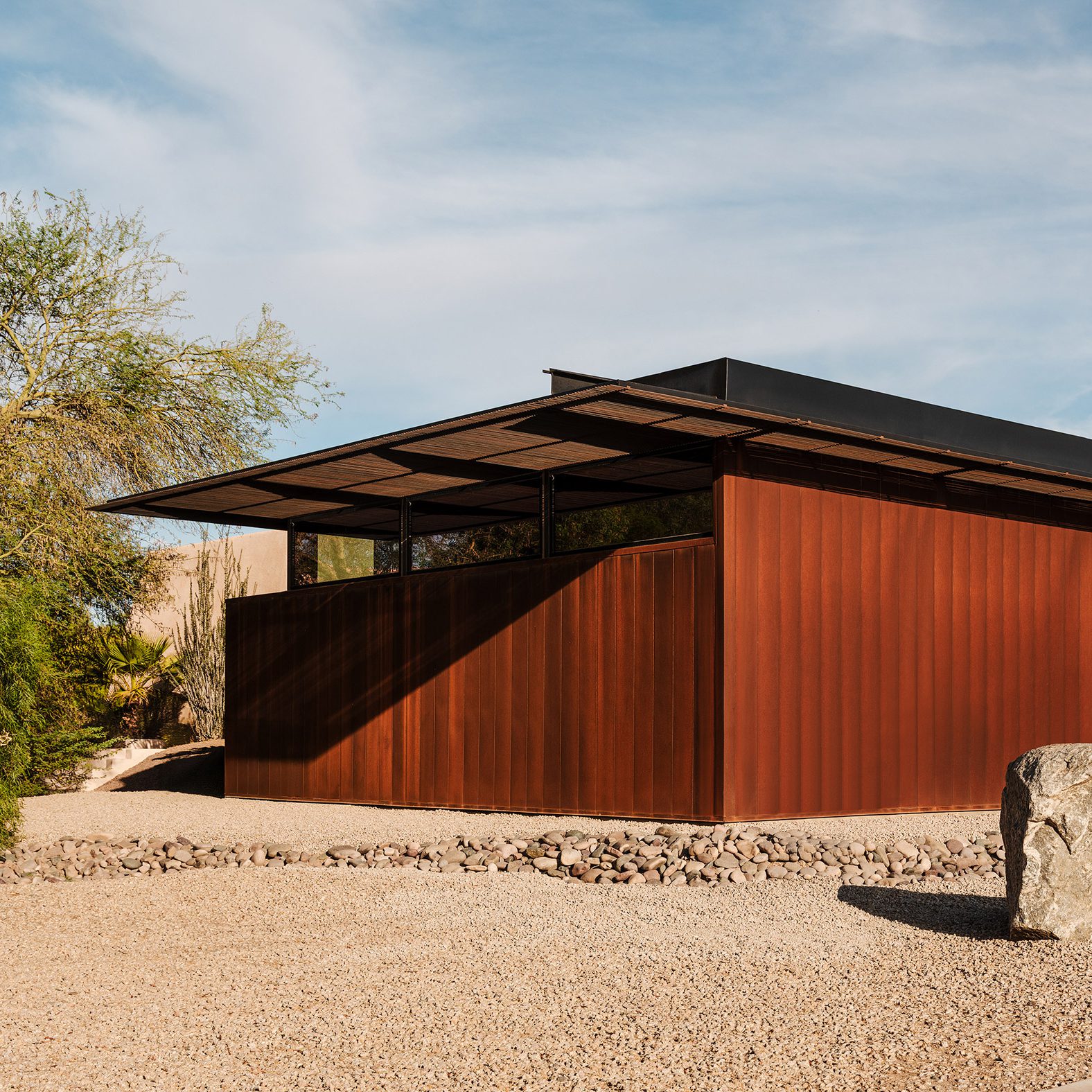
California-based EYRC Architects has unveiled an expansion to the Cocopah Museum and Cultural Center in Arizona, enhancing the cultural heritage of the Cocopah Nation. This thoughtful addition, constructed from weathering steel and pigmented cast concrete, stands as a tribute to the local Indigenous community while reflecting a commitment to both sustainability and artistry.
The new standalone building, which is strategically located adjacent to the original museum established in 1996, serves the crucial role of preserving and showcasing the rich history and traditions of the Cocopah people. Notably, both EYRC Architects and the general contractor generously provided their services pro bono, underscoring a communal spirit reminiscent of the biblical principle of generosity—“It is more blessed to give than to receive” (Acts 20:35).
The architectural design features a 1,200-square-foot gallery distinguished by its orthogonal plan and an overhanging flat roof, delicately referencing the sustainable dwellings of historic Cocopah architecture. As noted by EYRC, the project reflects “a deep respect for place, people, and tradition,” echoing Jesus’ teaching to love one’s neighbor and honor those we share our communities with.
Separated from the original museum by a landscaped garden, the extension boasts walls of pigmented concrete that harmonize with the area’s natural hues, capturing the essence of earth’s beauty in design. The weathering steel panels that wrap around the structure are designed to develop a unique patina over time, embodying the idea that beautiful things often take time to mature—much like our own personal growth.
Inside, a ceiling adorned with a lattice of willow branches represents the native vegetation of the Colorado River, serving as a reminder of our connection to the environment and the importance of stewardship—principles Christ exemplified through His care for creation.
The building also emphasizes functionality in its structure, using insulation and low-maintenance landscaping adapted to the arid climate of the region. This mindful design reflects another biblical principle of wisdom: to plan and prepare for the future while being good stewards of the resources provided to us.
Throughout the project, EYRC Architects consulted closely with the Cocopah Nation, ensuring that the new building not only fulfills practical needs but allows the community to share their story authentically. This collaboration brightens a path toward unity and respect, resonating with 1 Peter 4:10: "Each of you should use whatever gift you have received to serve others, as faithful stewards of God’s grace in its various forms."
As we reflect on the thoughtful expansion of the Cocopah Museum, let it inspire us to consider our own contributions to our communities. Whether through acts of kindness, shared resources, or simply lending an ear to those whose stories are often unheard—we all have gifts to offer.
Takeaway
Amidst the architectural beauty of the new Cocopah Museum, we can glean a deeper spiritual lesson: by listening to and uplifting one another, we enrich not only our surroundings but our collective journey as a community. What stories are waiting to be shared within your own circles?
If you want to want to know more about this topic, check out BGodInspired.com or check out specific products/content we’ve created to answer the question at BGodInspired Solutions
If positive Biblical wisdom matters to you, I’d love your support of the mission
Q&A about
Why would a museum in Arizona use weathering steel, and is there a spiritual meaning behind it?
The use of weathering steel can symbolize endurance and strength, much like the way God refines us through challenges. It reflects that, even through the harshest conditions, beauty and purpose can emerge, akin to how Jesus transforms our struggles into testimonies of faith.
How does the design of the Indigenous museum reflect Christian values?
The incorporation of natural materials like weathering steel can promote stewardship of God’s creation, reminding us of our responsibility to protect the earth. Just as Paul emphasizes in Romans 1:20 about the invisible attributes of God being evident in creation, this museum’s design encourages appreciation for both culture and creation.
Are there lessons about community and culture we can draw from this museum project?
This museum serves as a testament to the importance of community, much like the early church in Acts 2:44-47, where believers shared resources and uplifted one another. It reinforces the biblical principle that understanding our local heritage allows us to better serve and love our neighbors in faith.
How can visiting the Indigenous museum enhance our understanding of God’s diverse creation?
Experiencing various cultures can deepen our appreciation for God’s artistry in humanity, reflecting the many colors of His creation. When we acknowledge and honor the diversity found in cultures, we are reminded of Galatians 3:28, which teaches that in Christ, we are all one, regardless of our backgrounds.