 0
0
 0
0
Humpback Whale Found Dead After Ambitious Rescue Effort: A Reflection on Hope and Responsibility
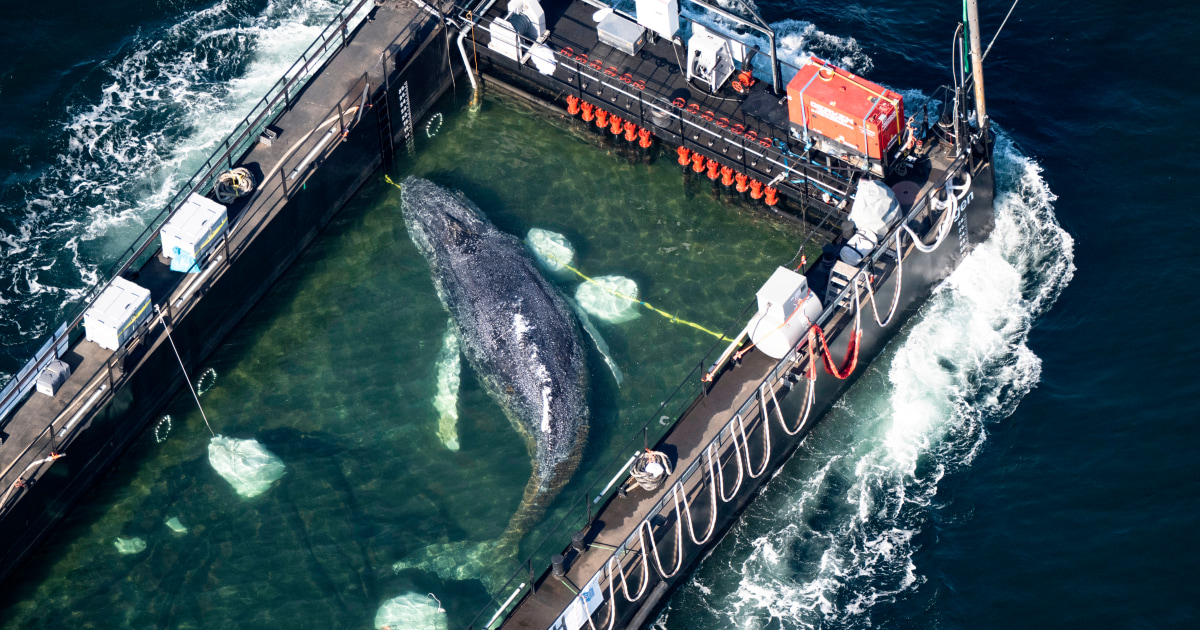
BERLIN — This week, a humpback whale identified as “Timmy”—known for an arduous rescue journey—was found dead near Anholt, a Danish island. The creature had previously captured worldwide attention after it was released into the North Sea following countless rescue attempts along Germany’s Baltic coast. The situation has rekindled discussions around conservation efforts and the moral obligations we hold toward wildlife.
Authorities confirmed that the whale was discovered stranded off Anholt, south of its last known position near Skagen, Denmark. Jane Hansen, head of division at the Danish Environmental Protection Agency, stated, “It can now be confirmed that the stranded humpback whale near Anholt is the same whale that was previously stranded in Germany.” A tracking device recovered from the whale corroborated its identity.
The intricate saga began on March 3, when the whale was spotted off the German coast. Experts remain puzzled as to why it ventured into the Baltic Sea, far from its natural habitat. Some suggest it may have followed a shoal of herring or veered off course during migration. Prompted by concerns for the whale’s welfare, a rescue effort was launched, culminating in its transport to safety on May 2.
In the face of adversity, activists, scientists, and local authorities grappled with contentious decisions regarding the whale’s fate. While some argued for rehabilitative efforts, others cautioned against exacerbating the whale’s already fragile state. As the drama unfolded, it served as a poignant reminder of the dual nature of hope—our desire to intervene mingled with the reality of animal welfare.
A Lesson in Stewardship
This unfolding narrative resonates with the biblical principle of stewardship. As Christians, we are called to care for creation, reflecting the love and compassion demonstrated by Jesus in His teachings. Much like the parable of the Good Samaritan (Luke 10:25-37), this incident reminds us to actively assist those—or in this case, the creatures—who are in distress, and to weigh our actions carefully against the potential harm they might cause.
Environment Minister Till Backhaus remarked on the hard lesson learned: “It is absolutely human to use even the smallest chance when a life is at stake.” This echoes the biblical exhortation found in Proverbs 12:10, which states, “The righteous care for the needs of their animals.” This is not just about the whale but about recognizing our interconnectedness with nature and the lives that God has entrusted to our care.
Looking Ahead
Despite the tragic conclusion of Timmy’s journey, this episode should inspire reflection upon our responsibilities—both as stewards of the earth and as individuals who strive to bring compassion into every facet of life. As authorities consider how to proceed with the whale, including whether to conduct a necropsy, it serves as a vital opportunity for lessons learned in wildlife conservation practices.
Let us embrace the invitation to think deeply about how we navigate the challenges surrounding our environment. Just as Timmy’s plight brought people together, may it encourage collaboration and a renewed commitment to nurturing the world we inhabit. In all things, let hope guide our actions, for as Romans 8:19 reminds us, “For the creation waits in eager expectation for the children of God to be revealed.”
As we reflect on this situation, may we strive to be the guardians of hope, fostering a spirit of compassion and care that aligns with our shared values and faith.
If you want to want to know more about this topic, check out BGodInspired.com or check out specific products/content we’ve created to answer the question at BGodInspired Solutions
If positive Biblical wisdom matters to you, I’d love your support of the mission
Q&A about
Why did Timmy the humpback whale have to be rescued in the first place?
Timmy was entangled in fishing gear, which is a stark reminder of the struggles that many of God’s creatures face because of human actions. In Romans 8:22, it’s mentioned that the whole creation has been groaning in the pains of childbirth, reflecting how our environmental stewardship directly affects the lives of God’s creations.
How did Timmy’s rescue effort reflect God’s love and compassion?
The rescue of Timmy exemplifies God’s deep compassion for all living beings. Jesus emphasized the value of all creatures when He said that not a single sparrow falls to the ground without God’s knowledge (Matthew 10:29), reminding us that every life is precious to Him and deserves our care and action.
What can we learn from Timmy’s tragic end?
Timmy’s death serves as a solemn reminder of the fragility of life and the impact of human choices on creation. Ecclesiastes 3:1 tells us that there is a time for everything, including mourning, and this calls us to reflect on our responsibilities to protect the environment and the creatures within it.
What should my response be as a Christian to Timmy’s story?
As Christians, we are called to be stewards of God’s creation, which includes actively engaging in conservation efforts and advocating for wildlife protection. Genesis 2:15 teaches that we are to work and take care of the Garden, a principle that can extend to our modern responsibility to care for all earth’s inhabitants and restore what has been harmed.