 0
0
 0
0
Microbes in Space: A Revolutionary Approach to Resource Extraction
Asteroids and meteorites may hold the key to humanity’s future in space, containing valuable metals essential for infrastructure development. The challenge, however, has long been finding efficient methods to extract these resources beyond our planet. A groundbreaking experiment aboard the International Space Station (ISS) suggests that tiny living organisms might just provide the solution.
In a study published in npj Microgravity, researchers discovered that microbes can effectively continue metal extraction from meteorite fragments, even in the unique environment of microgravity. This finding paves the way for a future where biological processes contribute substantially to building self-sufficient habitats in space—a prospect that echoes the biblical principle of stewardship over creation.
Why Scientists Are Turning to Microbes
As space exploration pushes farther from Earth, resupplying materials becomes increasingly impractical. Future missions to the Moon, Mars, and beyond will likely involve utilizing local resources. Many asteroids and rocky bodies are thought to contain abundant metals required for manufacturing and life support systems, highlighting the significance of in-situ resource utilization.
Researchers are shifting focus to biomining, a process that employs microorganisms to leach metals from rock. By producing organic acids, these microbes can dissolve minerals and release valuable elements—a process that may resonate with the biblical call to harness Earth’s resources wisely. Proverbs 21:5 reminds us, "The plans of the diligent lead surely to abundance, but everyone who is hasty comes only to poverty."
The Bioasteroid Experiment in Orbit
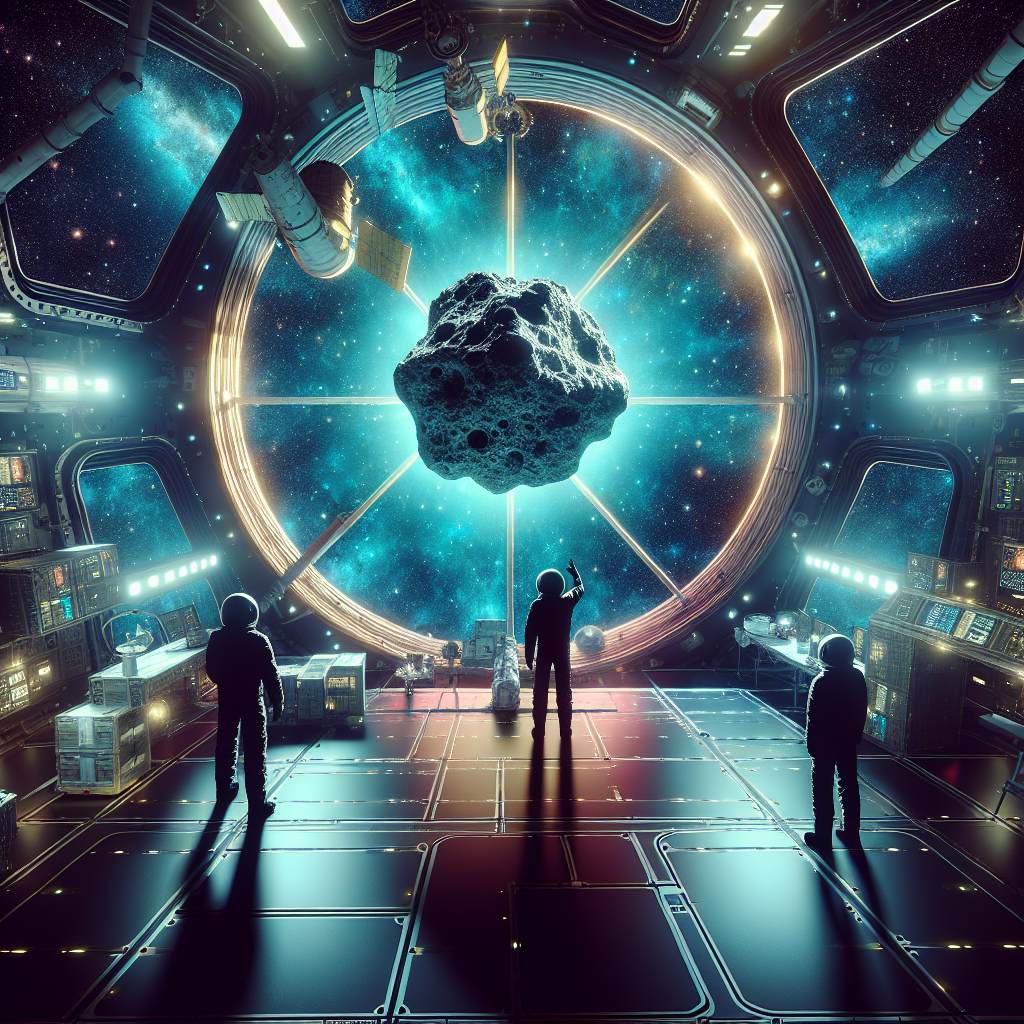
Launched in 2020, the BioAsteroid experiment involved fragments of a L-chondrite meteorite placed inside sealed reactors with two specific microbes: the bacterium Sphingomonas desiccabilis and the fungus Penicillium simplicissimum. Over a 19-day period, these organisms thrived on the rock while astronauts observed the experiment’s progress.
Rosa Santomartino, a biological engineer at Cornell University and lead author of the study, stated, "This is probably the first experiment of its kind on the International Space Station on meteorite." A parallel experiment conducted on Earth under normal gravity allowed for direct comparisons.
What Bacteria Pulled from Space Rocks
Upon returning to Earth, scientists analyzed the samples and found that microbial activity played a key role in extracting 18 of the 44 elements dissolved from the meteorite. Notably, the fungus exhibited metabolic changes in microgravity, producing larger volumes of molecules beneficial for dissolving minerals. This process was crucial for releasing metals like palladium and platinum, both essential for advanced technologies.
Santomartino noted, “In these cases, the microbe doesn’t improve the extraction itself, but it’s kind of keeping the extraction at a steady level, regardless of the gravity condition.” This resilience mirrors the biblical teaching of perseverance in our efforts, despite challenges.
How Asteroid Biomining Could Work in Reality
The microbes in the experiment were cultivated in sealed “Experiment Units” filled with crushed meteorite fragments, maintaining a controlled environment. Beyond metal extraction, the microbial interactions could also yield essential nutrients, potentially supporting life support systems and enhancing the viability of future habitats.
This research underscores the potential of microbial processes in space resource management, reminding us of the intricate relationships that God has designed within His creation.
As Santomartino eloquently put it, “Bacteria and fungi are all so diverse… the space condition is so complex… to me, this is a little bit the beauty of that.”
Conclusion: Reflecting on Creation
As we stand on the brink of a new era in space exploration, the integration of microbe-based resource extraction not only showcases human ingenuity but also reflects a commitment to stewardship and sustainable practices. This aligns with biblical teachings of caring for the Earth and using its resources responsibly.
In contemplating these developments, we draw inspiration from Psalm 104:25, which marvels at God’s creation. As we explore the possibilities in space, may we be reminded of our responsibility to care for both Earth and the cosmos, seeing it all as part of God’s magnificent design.
As you reflect on this journey into resource extraction, consider how the stewardship of creation, whether on Earth or beyond, connects us to a greater purpose. Let’s embrace the wonder of our universe, recognizing the divine intelligence behind its complexities and inviting curiosity and awe in our exploration of the unknown.
If you want to want to know more about this topic, check out BGodInspired.com or check out specific products/content we’ve created to answer the question at BGodInspired Solutions